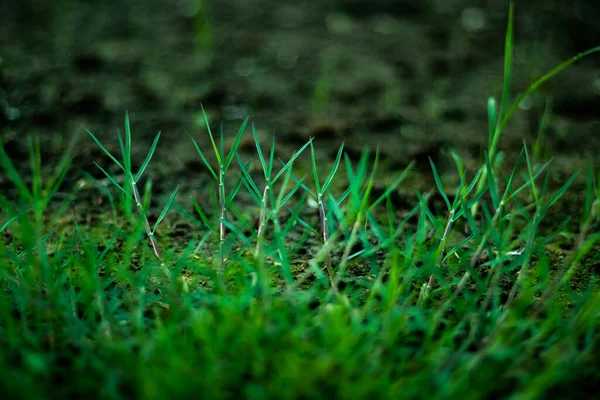
The best time to sow Bermuda grass is during the late spring or early summer when soil temperatures are consistently warm. Planting at the right time ensures healthy germination and a lush, green lawn.
For a quick, healthy Bermuda grass lawn, aim to sow your seeds when soil temperatures reach around 65-70°F (18-21°C), typically from late April to early June. This timing allows the grass to establish firmly during the warm season, leading to quicker growth and better resilience.
Timing is everything when it comes to planting Bermuda grass. If you want a vibrant, durable lawn, sow your seeds in late spring or early summer, after the last frost has passed and soil temperatures are warm enough. This ensures optimal germination and strong root development. Early planting when the weather is cool can hinder growth, while planting too late in the summer might cause stress on the young grass. Understanding your local climate and soil conditions can help you choose the perfect window for sowing Bermuda grass and enjoy a beautiful, low-maintenance lawn all season long.

When to Sow Bermuda Grass
Sowing Bermuda grass at the right time is crucial for establishing a healthy and lush lawn. The timing depends mainly on your local climate and the season. Knowing the best period to plant ensures the grass has enough warmth and sunlight to grow strong and vibrant.
Understanding Bermuda Grass Growth and Climate Needs
Bermuda grass thrives in warm temperatures and full sun. It is a warm-season grass, meaning it grows best when soil temperatures are consistently above 65°F (18°C). This grass is not suitable for cold or frosty conditions, so timing is essential for successful growth.
In regions with mild winters, Bermuda grass can be sown from late spring through early summer. In hotter climates, planting may extend from early spring to late summer for optimal results. It is important to avoid planting during freezing temperatures or frost seasons, as young grass shoots are very sensitive to cold.
Best Time to Sow Bermuda Grass by Season
Spring Planting
Spring is widely considered the ideal time to sow Bermuda grass in many regions. As soil warms up, the chances of successful germination increase significantly. Aim to plant after the last frost date and when soil temperatures reach at least 65°F (18°C).
Spring planting allows the grass to establish before the hot summer months. This ensures a thick and healthy turf that can withstand heat and foot traffic later in the year.
Early Summer Planting
If you missed the spring window, early summer is also a good time for planting Bermuda grass. The soil remains warm, which is vital for seed germination and root development.
However, it is important to start early enough so the grass can develop a solid root system before the hottest part of summer arrives. Proper watering and care are essential during this period to promote vigorous growth.
Late Summer and Fall Considerations
Planting Bermuda grass in late summer or early fall is generally discouraged. Cooler temperatures and shorter daylight hours slow down grass growth, making establishment more challenging.
If necessary, consider overseeding or planting hybrid varieties that can tolerate cooler weather. Always check your local climate patterns and frost dates before attempting to plant during these seasons.
Factors Affecting the Best Sow Timing
Soil Temperature
The key factor for successful Bermuda grass sowing is soil temperature. Seeds need warm soil, preferably above 65°F (18°C), to germinate effectively.
Monitor local soil temperatures using a soil thermometer to choose the right time. If the soil is too cold, seeds may not sprout or may rot in the ground.
Frost and Cold Weather
Frost can seriously damage young Bermuda grass shoots. Avoid planting when there is a risk of frost or late-season cold snaps.
Check local weather forecasts and frost dates to determine safe planting windows. Wait until after the last frost to ensure young grass is protected.
Rainfall and Watering
Consistent moisture is vital during germination and early growth. Plant during a period of regular rain or be prepared to water frequently.
A well-maintained watering schedule helps seeds establish roots and develop into a dense turf.
Step-by-Step Guide to Timing Your Bermuda Grass Sow
Step 1: Check Local Climate and Frost Dates
Start by researching your area’s average last frost date in spring and first frost date in fall. Use this information to plan your planting window.
Step 2: Measure Soil Temperature
Use a soil thermometer to verify that the soil temperature remains above 65°F (18°C). Screen out days with cold soil temperatures for sowing.
Step 3: Prepare the Soil
Clear debris, till the soil, and amend it as needed. Well-prepared soil will support healthy germination and growth.
Step 4: Sow the Seeds
Distribute Bermuda grass seeds evenly over the prepared soil. Lightly rake the seeds into the soil to ensure good contact.
Step 5: Water Thoroughly
Immediately after sowing, water the area deeply. Maintain consistent moisture until the grass is established.
Step 6: Monitor Growth and Adjust Care
Keep an eye on soil moisture, temperature, and weather conditions. Be ready to irrigate if dry spells occur.
Additional Tips for Successful Bermuda Grass Planting
- Choose the right seed variety: Select a Bermuda grass type suitable for your climate and sun exposure.
- Timing consistency: Plant when conditions are ideal to avoid delays or uneven growth.
- Use proper seed coverage: Lightly cover seeds with soil or mulch for protection and moisture retention.
- Maintain optimal watering: Water regularly but avoid overwatering, which can lead to seed rot.
- Fertilize appropriately: Apply starter fertilizer to promote healthy early development.
Related Topics to Consider
Native Soil Preparation
Testing soil pH and nutrients ensures Bermuda grass can thrive. Ideal soil pH is between 5.8 and 7.0.
Sunlight and Shade
Bermuda grass requires full sun for best growth. Too much shade can hinder establishment and result in thin turf.
Dealing with Pests and Diseases
Planting during the right season reduces risk of pests. Follow proper lawn care practices to prevent disease and promote strong grass health.
Overseeding and Repair
If your lawn is thin, late spring or early summer planting can help fill in bare spots. Proper timing ensures quick establishment.
Knowing precisely when to sow Bermuda grass increases your chances of a lush, durable lawn. Planning around soil temperature, frost dates, and weather patterns helps guarantee success. With careful timing and preparation, your Bermuda grass will grow strong, providing you with a beautiful yard to enjoy.
Seeding Bermuda Lawns and Zoysia Lawns
Frequently Asked Questions
What is the ideal season to plant Bermuda grass?
The best time to sow Bermuda grass is during late spring to early summer when soil temperatures are consistently warm, typically between 65°F to 75°F. Planting during this period ensures the grass establishes well before the hot summer months, promoting healthy growth and a dense lawn.
Can I seed Bermuda grass in the fall or winter?
Seeding Bermuda grass in fall or winter is generally not recommended because the cooler temperatures slow down germination and growth. If you want to establish Bermuda grass during these seasons, consider using sod or sprigs instead. Planting in the warmer months allows the grass to take root effectively.
What are the signs that indicate the right soil temperature for sowing Bermuda grass?
You can determine the right soil temperature for planting Bermuda grass by measuring the soil with a soil thermometer. The ideal range is when the soil temperature reaches 65°F to 75°F. At this stage, germination accelerates, and the seedlings develop strong roots, leading to a healthy lawn.
How does weather influence the timing of Bermuda grass sowing?
Weather plays a significant role in deciding when to plant Bermuda grass. Warm temperatures, low chances of rain, and stable weather conditions create an optimal environment for germination and growth. Avoid planting during periods of excessive rainfall or unpredictable weather, as this can hinder establishment.
Is there a specific time of day that is best for sowing Bermuda grass seed?
It is best to sow Bermuda grass seeds early in the morning or late in the afternoon when temperatures are moderate and the sun is less intense. This reduces the risk of the seeds drying out quickly and helps maintain consistent moisture levels for successful germination.
Final Thoughts
When to sow bermuda grass depends on your local climate. Plant during late spring or early summer when temperatures are consistently warm. This timing encourages healthy rooting and lush growth.
Timing is key; sow when soil temperatures reach around 65-70°F for best results. Avoid planting in cooler months to prevent poor germination.
In conclusion, knowing when to sow bermuda grass ensures a thriving lawn. Aim to plant in late spring or early summer for optimal growth and coverage.