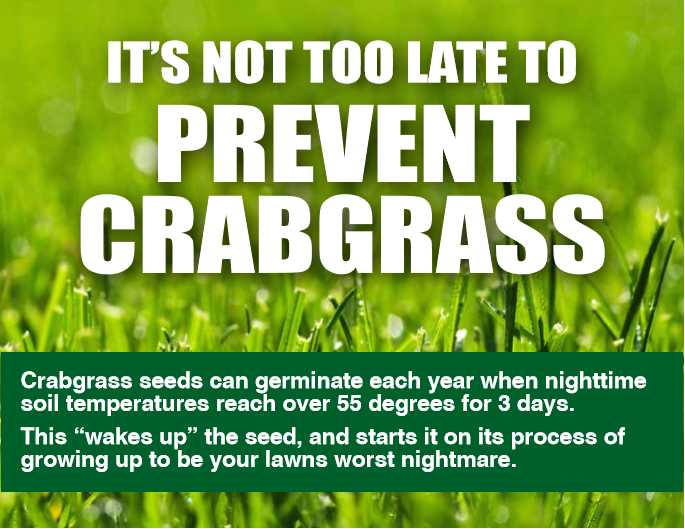
The best time to apply crabgrass preventer is in early spring before the soil reaches 55°F to 60°F, ideally when you notice the first signs of warming weather. Doing so gives the preventer a head start, stopping crabgrass seeds from germinating and taking over your lawn. Timing is everything—apply too early or too late, and you risk ineffective results or damage to your grass. Remember, crabgrass preventer works best when applied proactively, not after the weeds have already sprouted.
Applying crabgrass preventer at the right time can save you hours of weeding and keep your lawn lush and healthy. In this article, we’ll explore exactly when to put down crabgrass preventer, how to identify the right conditions, and tips for a successful application so you can enjoy a weed-free lawn all season long.

When to Put Crabgrass Preventer Down
Knowing the right time to apply crabgrass preventer is essential to keep your lawn healthy and free of unwanted weeds. Applying it at the proper time helps stop crabgrass from sprouting and taking over your yard. In this section, we’ll explore the best periods for application and how weather conditions affect your timing.
Understanding Crabgrass Growth Cycle
Crabgrass germinates when soil temperatures reach around 55°F to 60°F. It grows quickly during warm weather, usually from late spring to early summer. Recognizing this cycle helps you plan when to put down the preventer to stop crabgrass before it appears.
The Germination Period
Crabgrass seeds typically start to sprout when soil warms up in late spring. This is the critical window for applying preventer. The goal is to treat your lawn before the seeds begin to germinate.
Timing Based on Seasons
- Late winter to early spring is ideal for prevention applications in many regions.
- In warmer climates, late winter might be the best time.
- In cooler climates, wait until soil temperatures consistently reach 55°F.
Best Time to Apply Crabgrass Preventer
Applying crabgrass preventer too early can reduce effectiveness, while applying too late allows weeds to establish. The best time depends on local weather patterns and soil temperature readings.
Monitor Soil Temperature
Use a soil thermometer to check when temperatures reach 55°F to 60°F. Applying preventer during this window is most effective. Check soil temperatures weekly during early spring for accurate timing.
Follow Local Climate Patterns
In northern regions, expect to apply preventer around late April or early May. In southern areas, late winter might be suitable. Always track local weather forecasts for optimal timing.
Weather Conditions and Their Effect on Timing
Weather plays a significant role in deciding the best time for preventer application. Warm, sunny days promote soil warming, while rain can wash away the product if applied too soon.
Ideal Weather for Application
- Cloudy days with no rain are good for preventing runoff.
- Apply just before a forecasted sunny day to allow the preventer to settle into the soil.
- Avoid applying when heavy rain is expected, as it can reduce effectiveness.
Impact of Rain and Irrigation
If rain occurs within 24 hours of application, it can wash away the chemical barrier. It’s best to schedule application during dry weather or after watering the lawn thoroughly.
Timing for Different Types of Crabgrass Preventers
Not all crabgrass preventers are the same. Some products are pre-emergent, while others are post-emergent. Focus here is on pre-emergent types, which stop seeds from sprouting.
Pre-emergent Crabgrass Preventers
These are designed to be applied before seed germination. Proper timing is crucial—too early might lead to runoff, too late, and weeds can sprout.
Post-emergent Products
These are used after crabgrass has already begun to grow. Timing for post-emergent is less critical but still depends on weed size and growth stage.
How to Prepare for Application
Preparation enhances effectiveness. Mow your lawn to a shorter height and clean debris to allow the preventer to contact the soil directly. Proper preparation ensures better weed control.
Choosing the Right Product
- Look for products labeled for crabgrass prevention.
- Check active ingredients such as pendimethalin, prodiamine, or oxadiazon.
- Follow label instructions for application rates and timing.
Applying the Preventer Effectively
Use a broadcast spreader for even distribution. Water the lawn lightly after application unless rain is forecasted within 24 hours. This helps activate the chemical barrier.
Regional Tips for Timing
Different regions have varying ideal application times based on climate. Here are some guidelines to help you determine the best timing for your area.
North
Apply preventer in late April or early May when soil temperatures reach 55°F. Monitor weather patterns closely.
South
Late winter to early spring, around February or March, may be suitable due to warmer soil temperatures. Keep an eye on local forecasts.
Midwest
Apply in late April to early May. Soil temperature and weather forecasts should guide your timing.
Common Mistakes to Avoid
Applying preventer too early can cause runoff, while applying too late allows crabgrass to establish. Never apply before heavy rain unless you plan to water immediately afterward.
Ignoring Soil Temperature
Guesswork can lead to poor results. Use a thermometer for accuracy.
Overlooking Weather Conditions
Check the weather forecast to prevent product washout or ineffective watering.
Summary: When to Put Crabgrass Preventer Down
The key is to apply crabgrass preventer when soil temperatures reach 55°F to 60°F, usually in early spring. Timing must be synchronized with weather patterns and soil conditions for maximum effectiveness. Regular monitoring of soil temperature and weather forecasts helps ensure you apply at the right moment, keeping your lawn free of crabgrass all season long.
Frequently Asked Questions
What is the optimal time in spring to apply crabgrass preventer?
Apply crabgrass preventer in early spring before the soil temperature consistently reaches 55°F (13°C). Typically, this is when forsythia bushes start blooming. Applying at this time helps prevent crabgrass seeds from germinating when soil conditions are warm enough for growth.
How do I know when summer is the right time to put down crabgrass preventer?
Wait until the soil temperature reaches around 55°F (13°C) consistently, which usually occurs in late spring or early summer. Applying preventer during this period prevents crabgrass from starting to grow during warmer months, offering effective control throughout the season.
Can I apply crabgrass preventer in the fall, and if so, when?
Applying crabgrass preventer in fall is generally unnecessary, as crabgrass is a warm-season weed that germinates in late spring to summer. Focus on spring applications for best results. However, if you wish to prevent late germinating seeds, apply in early fall before temperatures drop below 50°F (10°C).
How does soil temperature influence the timing for crabgrass preventer application?
Soil temperature directly affects crabgrass seed germination. Applying preventer just prior to when soil temperatures reach 55°F ensures the weed seeds do not sprout. Monitoring local soil temperatures helps determine the most effective timing for application.
Is there a specific month recommended for applying crabgrass preventer in most regions?
In most areas, applying crabgrass preventer occurs in late March to early April. Adjust this timing based on local climate and soil temperature. Use soil temperature as your guide rather than calendar dates alone for the best results.
Final Thoughts
The best time to put crabgrass preventer down is early spring before the soil warms significantly. Applying it at the right moment helps stop crabgrass seeds from germinating and taking over your lawn.
Keep an eye on soil temperatures; once they reach about 55°F to 60°F consistently, it’s ideal to apply the preventer. Waiting too long reduces its effectiveness and allows crabgrass to establish.
Knowing when to put crabgrass preventer down ensures your lawn stays healthy and weed-free all season. Proper timing maximizes control and keeps your yard looking its best.