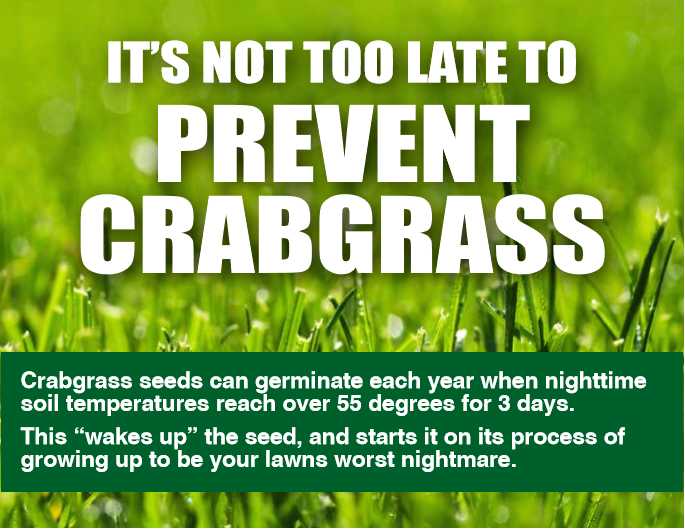
The best time to use crabgrass preventer is in early spring before the crabgrass seeds begin to germinate. Applying it at the right moment can save you a lot of hassle later on, keeping your lawn lush and weed-free.
In short, crabgrass preventer should be applied in early spring, typically when soil temperatures reach around 55°F (13°C). Doing this before the weed seeds sprout is crucial for effective prevention. Timing is everything; applying too early or too late can reduce its effectiveness. By understanding the right window for application, you can ensure your lawn stays healthy and vibrant throughout the growing season. With just a bit of planning, you can effectively keep crabgrass at bay and enjoy a neat, green yard all summer long.

When Do You Use Crabgrass Preventer?
Understanding Crabgrass and Its Growth Cycles
Crabgrass is a fast-growing weed that can quickly take over your lawn if not controlled properly. It usually appears during warm weather, especially in late spring and early summer. Knowing its growth cycle helps you decide the best time to apply crabgrass preventer.
Crabgrass seeds typically germinate when soil temperatures reach about 55°F to 60°F. This often occurs around late spring or early summer, depending on your climate. Once established, crabgrass spreads rapidly and becomes difficult to control without preventive measures.
Why Timing Matters for Crabgrass Preventer
Applying crabgrass preventer at the right time is key to effective weed control. If you apply it too early, it might not work as well because the soil isn’t warm enough for seed germination. Too late, and the weed might already have started growing, making control more difficult.
The goal is to apply the preventer before crabgrass seeds sprout. The ideal window is usually when soil temperatures are consistently around 55°F to 60°F, often in late spring. This timing prevents seeds from rooting and spreading across your lawn.
Best Time to Apply Crabgrass Preventer by Season
In general, the best time to apply crabgrass preventer is in late spring, just before the soil temperature reaches the critical 55°F to 60°F mark.
- For most regions, this is typically from late March to early May.
- In warmer climates, it might be earlier, around mid-March.
- In cooler regions, waiting until mid to late April might be better.
Applying too early may cause the preventer to break down before seeds germinate, reducing its effectiveness. Waiting too long risks crabgrass already sprouting and establishing itself.
How to Monitor Soil Temperature for Precise Timing
Using a soil thermometer can help you decide the best time to apply crabgrass preventer. Measure soil temperature at a depth of 1 to 2 inches for accuracy. Take multiple readings across your lawn to get a representative sample.
Check the soil temperature every few days during late winter and early spring. Once readings consistently reach 55°F to 60°F, it’s time to apply the preventer. This ensures you’re applying it at the optimal moment for maximum effectiveness.
Application Guidelines for Crabgrass Preventer
Following the correct application process is essential for preventing crabgrass effectively. Always read the product label for specific instructions and safety precautions.
Spread the preventer evenly across your lawn using a broadcast spreader or drop spreader. Avoid applying on windy days to prevent drift onto unintended areas. Water the lawn lightly after application if the product recommends it, which helps the chemical penetrate the soil.
Factors That Influence Timing
Several factors can affect the best timing for applying crabgrass preventer, including local climate, rainfall, and soil conditions.
- Rainfall: Heavy rains immediately after application can wash away the preventer, reducing its effectiveness. Apply before a dry spell for optimal results.
- Temperature Fluctuations: Sudden warm spells can trigger crabgrass germination earlier than expected, so keep an eye on soil temperatures.
- Type of Lawn: Different grass types have varying needs. Cool-season grasses may require different timing compared to warm-season grasses.
Adjust your timing based on these factors to keep your lawn weed-free throughout the season.
Integrating Crabgrass Preventer with Lawn Care Practices
For best results, combine the use of crabgrass preventer with a proper lawn maintenance routine. Keep your grass healthy by watering correctly, mowing at the right height, and fertilizing properly.
A healthy lawn is more resistant to weeds. Applying crabgrass preventer when your lawn is in good condition ensures your grass outcompetes weeds and stays vibrant and lush.
Additional Tips for Effective Crabgrass Control
- Apply preventer before crabgrass seeds germinate for maximum effectiveness.
- Maintain proper lawn height to shade soil and inhibit seed germination.
- Avoid over-application to prevent chemical runoff and damage to your lawn.
Remember, patience is key. Consistent preventative measures help keep crabgrass from becoming a persistent problem.
Related Topics to Consider
Using Post-Emergent Weed Control
If crabgrass appears despite preventative efforts, consider post-emergent herbicides. These products target crabgrass that has already sprouted and can be used in combination with preventers for comprehensive control.
Proper Lawn Maintenance for Weed Prevention
Maintaining a healthy, dense turf is your best defense against weeds. Regular mowing, watering, and fertilizing create a thick lawn that naturally resists crabgrass invasion.
Environmental Considerations
Choose environmentally friendly crabgrass preventers when possible. Follow application instructions carefully to minimize runoff and protect local water sources.
Final Thoughts on Timing for Crabgrass Preventer
Applying crabgrass preventer at the right time can save you time and effort in maintaining a beautiful lawn. Tracking soil temperature and understanding your local climate are crucial steps.
By timing your application just before crabgrass seeds germinate, you prevent weeds from establishing roots. Regular lawn care combined with timely preventive treatments ensures your yard stays lush and weed-free.
Frequently Asked Questions
At what time of year should I apply crabgrass preventer?
Applying crabgrass preventer is most effective when soil temperatures reach around 55°F to 60°F in the spring. This typically occurs when the grass begins to grow actively, which varies depending on your region. Apply the preventer before crabgrass seeds germinate, usually when the forsythia blooms or when forsythia flowers in your area. Check local weather patterns and soil temperatures to determine the optimal timing for application.
How long before weed seeds start to germinate should I use crabgrass preventer?
You should apply crabgrass preventer roughly 2 to 3 weeks before the expected germination of crabgrass seeds in your area. This timing ensures that the preventer forms a barrier in the soil to stop seeds from sprouting. Consistent monitoring of soil temperatures and local planting calendars helps you time the application accurately for maximum effectiveness.
Can I apply crabgrass preventer during the summer season?
It is generally not recommended to apply crabgrass preventer during the summer because its primary purpose is to prevent crabgrass seed germination in the spring. Applying it later may not be effective and could interfere with the growth of desired grasses. Instead, focus on post-emergent weed control if you notice crabgrass or other weeds appearing in the summer months.
Should I apply crabgrass preventer before overseeding my lawn?
No, you should avoid applying crabgrass preventer before overseeding your lawn. The preventer can inhibit the germination of new grass seeds along with crabgrass seeds. To ensure successful overseeding, wait until the risk of crabgrass germination has passed, and then apply the preventer after the new grass has established.
What weather conditions are ideal for applying crabgrass preventer?
Choose a calm, dry day with no rain forecasted for at least 24 hours after application. Applying preventer before rainfall allows it to settle into the soil and create an effective barrier. Avoid applying during windy days or if you expect heavy rain, which can wash the preventer away before it penetrates the soil.
Final Thoughts
Pour conclure, knowing when do you use crabgrass preventer helps maintain a healthy lawn. Apply it in early spring before crabgrass germinates, typically when soil temperatures reach about 55°F. Reapplying in late spring or early summer ensures ongoing protection. Using crabgrass preventer at the right time prevents weeds from taking over your yard and keeps it looking tidy.