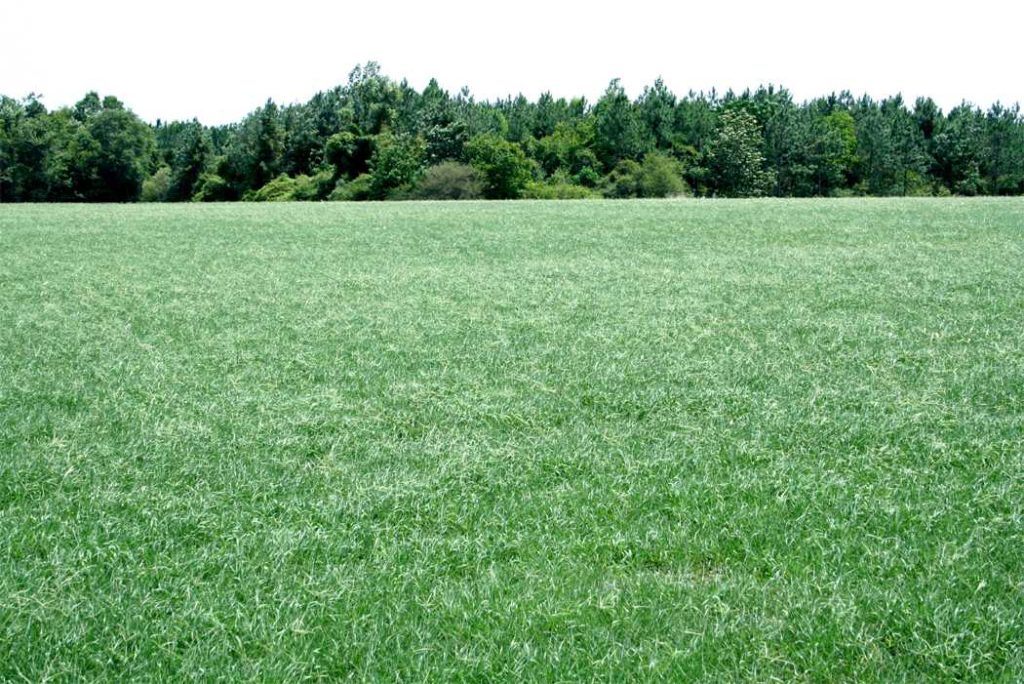
The best time to plant ryegrass in Georgia is during early fall, typically from September to October, to ensure a lush, green lawn throughout the cooler months. Timing is crucial to give the grass enough time to establish before winter sets in and to take advantage of the natural rainfall and milder temperatures.
For a quick answer, plant ryegrass in Georgia from September to October for optimal growth and durability. This window allows the grass to develop strong roots and adapt to the climate, providing a healthy, vibrant lawn that can withstand the chilly winter months.
If you’re wondering when to plant ryegrass in Georgia, it’s important to consider the state’s warm climate and seasonal shifts. Ryegrass thrives best when sown in early fall, giving it enough time to establish before the cold weather arrives. Planting in late summer or early fall also ensures the grass benefits from the natural rainfall and moderate temperatures, promoting healthy germination and growth. Avoid planting too late in the fall, as the grass might not have enough time to develop before the cold weather hinders growth. Getting the timing right guarantees a resilient and beautiful lawn, perfect for outdoor activities and aesthetic appeal all season long.

When to Plant Ryegrass in Georgia
Understanding the Climate in Georgia
Georgia has a varied climate that influences the best planting times for ryegrass. The state experiences hot, humid summers and mild, cool winters, which affects grass growth patterns. Knowing the climate helps determine the ideal planting window for lush, healthy ryegrass.
The northern regions of Georgia tend to have cooler temperatures, while the southern parts are warmer year-round. This variation means planting schedules should be adjusted based on your specific location within the state.
Typically, ryegrass grows best in temperatures between 50°F and 80°F. Keeping track of local weather trends allows you to choose the most suitable planting time.
Optimal Time Frames for Planting Ryegrass
Timing is essential when planting ryegrass to ensure strong establishment and healthy growth.
The best time to plant ryegrass in Georgia is during the cooler months, either in **early fall** or **early spring**.
Fall planting usually occurs from **September to October**, giving the grass time to develop roots before the colder winter months.
Spring planting is ideal from **March to April**, right after the last cold snap, when soil temperatures are rising.
Planting outside these windows may result in poor germination or slow growth due to unsuitable temperatures.
Spring Planting: Benefits and Considerations
Spring planting is a popular choice for many Georgia gardeners. It allows the grass to establish during the warmer months before winter.
However, soil temperatures should be at least 50°F to promote germination.
Spring planting may require more frequent watering as the weather warms up to keep the soil moist.
It’s important to plant ryegrass early enough in spring so the grass can grow vigorously before the heat of summer arrives.
Fall Planting: Advantages and Tips
Fall is often considered the best season for ryegrass planting in Georgia.
Cooler temperatures support rapid germination and root growth while reducing stress on the young grass.
Planting in September or October ensures the ryegrass becomes well-established before winter.
Late fall planting might risk colder weather, which can slow growth or damage young plants.
Use a starter fertilizer when planting in fall to promote healthy development.
Soil Conditions for Successful Ryegrass Planting
Healthy soil is key for a successful ryegrass stand.
Ryegrass prefers well-drained, fertile soil with a pH level between 5.5 and 7.0.
Before planting, testing your soil helps determine nutrient needs and pH adjustment.
Adding compost or organic matter improves soil structure and fertility.
Ensure the soil is moist and tilled adequately to create a suitable seedbed.
Preparing the Site for Planting
Start by removing existing weeds, debris, and old grass for a clean planting area.
Loosen the topsoil to a depth of about 2 inches to promote root penetration.
Level the soil surface to prevent water pooling and ensure uniform seed contact.
If necessary, apply a starter fertilizer based on soil test results.
Water the prepared site thoroughly before planting to moisten the soil.
Choosing the Right Ryegrass Variety
Selecting the right variety affects how well ryegrass will grow in Georgia’s climate.
Perennial ryegrass is popular for its durability and quick germination.
Hybrid and annual varieties are also available; choose based on your lawn’s purpose and climate.
Look for heat-tolerant and disease-resistant strains for better performance.
Consult local garden centers or extension offices for recommendations suited to your area.
Planting Techniques and Best Practices
Use a seed spreader for even distribution of ryegrass seed across the prepared soil.
Aim for a seeding rate of about 15 to 20 pounds per acre or approximately 1 to 2 pounds per 1000 square feet.
Lightly rake the seed into the soil to ensure good seed-to-soil contact.
Cover the seeds with a thin layer of soil or mulch if necessary to protect from birds or wind.
Water gently and consistently to keep the soil moist until the ryegrass seedlings are established.
Managing Growth After Planting
Post-planting care is crucial for healthy ryegrass development.
Maintain consistent watering, especially during dry periods, to keep the soil moist.
Apply a light layer of fertilizer about two weeks after planting to encourage growth.
Mow the ryegrass when it reaches about 3 inches in height, cutting no more than one-third of the blade at a time.
Monitor for weeds, pests, or diseases that can affect the young grass and treat promptly.
Additional Tips for Success
Avoid planting ryegrass during extremely hot or freezing weather, which can hinder germination.
Consider using a seed starter fertilizer to give the young grass a nutrient boost.
Water early in the morning or late in the afternoon to reduce evaporation.
Maintain proper soil pH and nutrient levels for optimal growth.
Regular aeration and overseeding help maintain a dense, healthy lawn.
Common Mistakes to Avoid
Planting at the wrong time can lead to poor germination or weak growth.
Overwatering or underwatering can either drown young seedlings or leave them dry.
Skipping soil preparation might result in patchy and uneven grass growth.
Choosing an unsuitable ryegrass variety for your region can cause stress or disease.
Failing to follow recommended seeding rates may lead to sparse or overcrowded lawns.
Related Topics for Better Lawn Care
- Effects of soil pH on ryegrass growth
- Best fertilizers and watering schedules for Georgia lawns
- Overseeding tips for a thicker ryegrass stand
- Managing weeds in a ryegrass lawn
- Understanding disease prevention in cool-season grasses
By understanding the ideal seasons and preparation techniques, you can plant ryegrass in Georgia with confidence. Proper timing and care will help you establish a lush, resilient lawn that stays green and healthy throughout the cooler months and into spring.
Perennial Ryegrass Pros and Cons
Frequently Asked Questions
What is the best time to plant ryegrass in Georgia for optimal growth?
The ideal time to plant ryegrass in Georgia is during the cooler months of fall and early winter, typically from September to November. Planting during this period allows the grass to establish roots before the coldest winter temperatures, ensuring a healthy and vigorous growth in early spring. Avoid planting during the peak summer months, as high temperatures can hinder germination and seedling development.
How does the climate influence the planting schedule for ryegrass in Georgia?
Georgia’s climate features mild winters and hot, humid summers, which affect the ryegrass planting timeline. Ryegrass thrives in cooler conditions, so planting Timed with the fall when temperatures decrease helps promote strong growth. In southern regions with milder winters, planting can sometimes extend into late fall, while northern areas may require earlier planting to ensure establishment before winter lows.
Can I plant ryegrass in Georgia during the early spring?
Yes, you can plant ryegrass in early spring, especially if you missed the fall window. However, planting too late in spring can result in the grass struggling during the hot summer months. To improve success, plant as early as soil conditions allow and make sure to keep the soil moist to aid germination and establishment before the heat intensifies.
Are there specific signs to look for to determine the best planting window for ryegrass in Georgia?
Look for soil temperatures that reach around 50°F to 65°F for optimal germination. Additionally, ensure that nighttime temperatures are consistently below 60°F, which helps prevent heat stress on young ryegrass. Monitoring local weather forecasts and soil conditions can help you choose the most suitable time for planting and ensure healthy establishment.
How does the timing of planting affect the longevity and quality of ryegrass in Georgia landscapes?
Planting ryegrass at the right time promotes better root development and disease resistance, leading to a more resilient and lush lawn. Proper timing ensures the grass can establish firmly before extreme weather conditions, such as heat in summer or cold in winter, which helps extend its lifespan and maintain high quality throughout the year.
Final Thoughts
When to plant ryegrass in Georgia depends on the season. The best time is in the fall, typically from September to November, when soil temperatures are ideal for germination.
Planting in early spring, around March or April, also works if the goal is to establish a cool-season lawn. Proper timing ensures healthy growth and long-lasting coverage.
In conclusion, the ideal period for planting ryegrass in Georgia is during the fall or early spring, aligning with optimal soil conditions for successful growth.