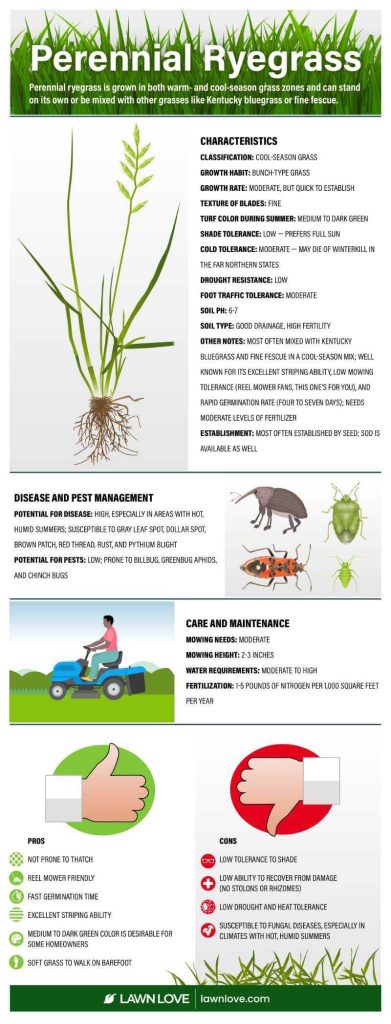
Perennial ryegrass typically sprouts within 7 to 14 days under ideal conditions. Want a lush, green lawn quickly? Understanding how long it takes for this popular grass to germinate can help you plan your planting schedule effectively. In general, perennial ryegrass is known for its fast germination, making it a favorite for those looking to establish a lawn or overseed an existing one swiftly. The exact timing depends on factors like soil temperature, moisture, and seed quality. If you provide the right environment, you can expect your seeds to sprout in just about a week to two weeks, giving you a beautiful, dense turf sooner than you might think. Knowing what influences germination can help ensure a successful and speedy lawn establishment.

How Long Does It Take Perennial Ryegrass to Germinate
Understanding the Germination Process of Perennial Ryegrass
Perennial ryegrass is a popular turfgrass choice because of its quick growth and vibrant green color. Germination begins when the seed starts to sprout and develop roots after planting. Typically, this process can take anywhere from 7 to 14 days, but several factors influence the exact timing.
Factors That Affect Germination Time
Various conditions play a role in how fast perennial ryegrass seeds germinate. These include soil temperature, moisture levels, seed quality, and planting depth. Being aware of these factors helps in planning and ensuring healthy seedling growth.
Soil Temperature
Optimal soil temperature for germinating perennial ryegrass ranges between 55°F and 75°F. Seeds in this temperature range usually sprout quicker, often within 7 to 10 days. Cooler or hotter soils can delay germination significantly.
Moisture Levels
Consistent moisture is crucial for germination. Seeds need moist soil to activate enzymes that facilitate sprouting. Too much water can cause seeds to rot, while too little delays sprouting. A light, even watering schedule keeps the soil damp but not soggy.
Seed Quality and Freshness
High-quality, fresh seeds tend to germinate faster and more uniformly. Older or low-quality seeds may take longer and have lower germination rates. Always choose reputable suppliers for the best results.
Planting Depth
Seeds should be planted about 0.25 to 0.5 inches deep. Planting too deep may slow down germination or prevent sprouting altogether. Proper depth ensures seeds receive warmth and moisture efficiently.
Typical Timeline for Germination
Under ideal conditions, perennial ryegrass seeds sprout within 7 to 10 days. If the conditions are less than optimal, expect a longer germination period, sometimes taking up to 14 days or more. Patience is key during this period.
Week 1: The First Signs
In the first week, tiny sprouts or seedlings may appear above the soil surface. These are the initial shoots emerging from the seed coat. During this stage, maintaining proper moisture and temperature is essential.
Week 2: Establishment and Growth
Most seedlings will have developed roots and begun to grow more prominently. Regular watering, avoiding drought stress, encourages healthy development. Avoid heavy foot traffic on newly germinated patches.
Common Challenges and Solutions
Several issues can slow down or hinder germination. Knowing how to address these problems helps ensure successful lawn establishment.
Poor Soil Conditions
Heavy clay or sandy soils can affect water retention and warmth. Improving soil with organic matter or using soil conditioners can enhance conditions for germination.
Inconsistent Watering
Fluctuating moisture levels cause stress to new seedlings. Set a watering schedule that keeps the soil evenly moist, especially during hot or windy days.
Seed Placement Errors
Planting too deep or too shallow can prevent germination. Follow recommended planting depths and use gentle techniques to distribute the seeds evenly.
Pest and Disease Interference
Insects or fungal diseases can affect emerging seedlings. Applying appropriate pest control and maintaining hygiene helps keep your lawn healthy.
Best Practices for Ensuring Quick and Uniform Germination
Follow these steps for the best results:
- Prep the Soil: Clear debris and till the soil to about 2 inches deep.
- Seed Application: Spread seeds evenly across the prepared soil, using a seed spreader for consistency.
- Cover Properly: Lightly rake or cover seeds with a thin layer of soil or compost.
- Water Gently: Keep the soil continuously moist with light watering multiple times a day, if necessary.
- Maintain Temperature: Use soil heaters or shade as needed to keep temperatures within the ideal range.
Tips for Faster Germination and Establishment
While germination speed largely depends on environmental conditions, these practices can help speed up the process:
- Choose high-quality, certified seed to improve germination rates.
- Plant during the early fall or spring when temperatures are optimal.
- Use a starter fertilizer rich in phosphorus to promote root development.
- Ensure proper soil preparation to provide a healthy growing environment.
- Maintain consistent moisture levels without oversaturating the soil.
Related Topics to Explore
Perennial ryegrass is often used in combination with other grasses for a resilient lawn. Consider reading about:
Mixing Ryegrass with Other Cool-Season Grasses
A blend of grasses can improve drought tolerance and wear resistance. Understanding how to balance seed types helps achieve a dense, healthy lawn.
Soil Testing and Improvement
Testing your soil’s pH and nutrient levels enables tailored amendments, leading to better germination and growth.
Establishment Timing
Planting at the right time of year ensures faster germination. Spring and fall are optimal seasons, avoiding extreme temperatures.
Watering Techniques
Using drip irrigation or sprinklers ensures even moisture distribution. Proper watering is vital for uniform germination and healthy seedlings.
Identifying and Treating Germination Problems
Learn how to spot early signs of failure and implement corrective measures such as adjusting watering or soil conditions.
By understanding these details, you can set up your perennial ryegrass for quick germination and strong growth. Proper planning, ideal conditions, and attentive care make a significant difference in establishing a lush, green lawn in a shorter time frame.
How Long Does It Take Rye Grass Seed To Germinate? – The Plant Enthusiast
Frequently Asked Questions
What environmental conditions are ideal for perennial ryegrass germination?
Perennial ryegrass germinates best when soil temperatures are between 50°F and 70°F (10°C to 21°C). It requires well-drained soil with adequate moisture levels to support seed growth. Adequate sunlight also promotes healthy germination. Maintaining these conditions helps ensure the seed sprouts efficiently and develops into a healthy turf.
How does soil preparation influence the germination time of perennial ryegrass?
Proper soil preparation significantly affects the speed of germination. Loosen the soil to improve aeration and remove debris to provide a clean environment for seeds. Incorporate organic matter or fertilizer if needed to supply nutrients. Well-prepared soil ensures better seed-to-soil contact, leading to quicker germination and stronger seedling development.
What watering practices should I follow after planting perennial ryegrass seeds?
Keep the soil consistently moist but not waterlogged during the germination period. Water lightly and frequently, providing around ½ inch of water daily if there’s no rain. As seedlings emerge, you can gradually reduce watering frequency but ensure the soil remains evenly moist to support healthy growth.
How long does it typically take for perennial ryegrass to emerge under optimal conditions?
Under ideal conditions, perennial ryegrass usually emerges within 7 to 14 days after planting. Factors such as soil temperature, moisture, and seed quality influence this timeframe. Cooler and wetter conditions tend to prolong germination, whereas warmer, stable temperatures can speed up the process.
What are common factors that delay the germination of perennial ryegrass?
Several conditions can slow down germination, including low soil temperatures, insufficient moisture, poor seed quality, or inadequate soil contact. Excessive shade and compacted soil can also hinder seed sprouting. Ensuring optimal environmental conditions helps reduce delays and promotes uniform growth.
Final Thoughts
Perennial ryegrass typically takes 7 to 21 days to germinate, depending on soil temperature and moisture levels. Warmer temperatures between 60-75°F promote faster growth, while cooler conditions slow it down. Proper watering and soil preparation are crucial for quick and healthy germination.
Knowing how long it takes perennial ryegrass to germinate helps plan your planting schedule effectively. Being patient and providing optimal conditions will ensure a successful start for your lawn.