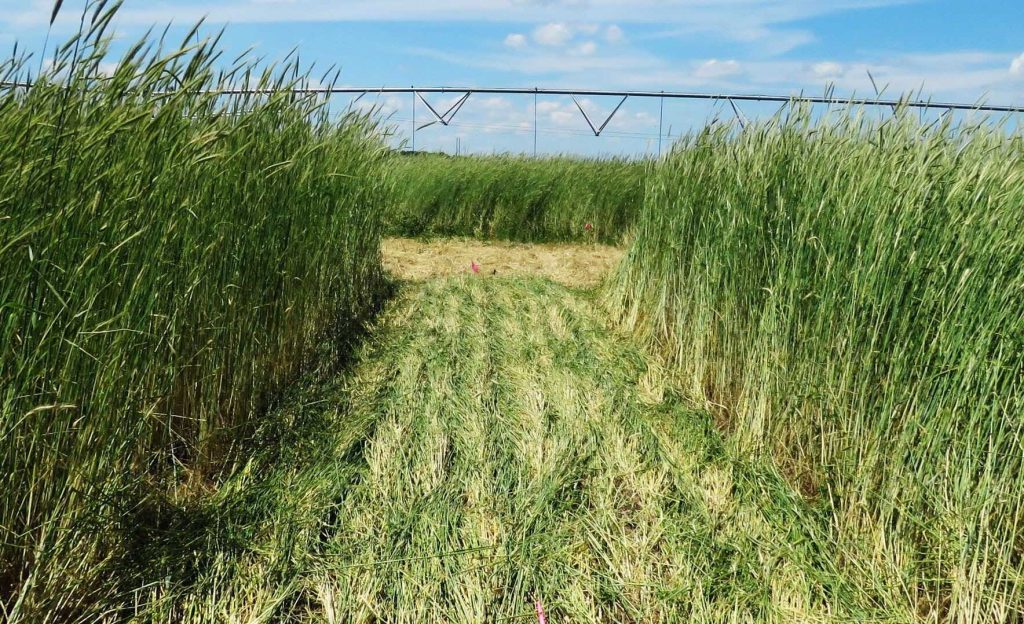
Quick Answer: The best time to plant ryegrass in Alabama is during the fall months, particularly from September to November. This allows the grass to establish strong roots before the winter season sets in. Planting ryegrass during this time ensures that it will have enough time to grow and flourish before the hot summer temperatures arrive. Additionally, planting ryegrass in the fall provides an excellent opportunity to overseed warm-season lawns, as it can thrive in both shaded and sunlit areas. So, if you’re looking to achieve a lush, green lawn in Alabama, now is the perfect time to start planting ryegrass.
Are you wondering when it’s the right time to start planting ryegrass in Alabama? Well, look no further! In this article, we will explore the ideal time for planting ryegrass in Alabama, along with some essential tips for a successful planting process. Whether you’re a seasoned gardener or a beginner, we’ve got you covered. So, let’s dive in and discover when and how to plant ryegrass in the beautiful state of Alabama!

When to Plant Ryegrass in Alabama
Planting ryegrass in Alabama requires careful consideration of the climate and growing conditions in the region. Timing is crucial to ensure successful establishment and growth of the grass. In this article, we will discuss the best time to plant ryegrass in Alabama, factors to consider, and tips for a successful planting.
The Ideal Time to Plant Ryegrass in Alabama
The ideal time to plant ryegrass in Alabama is during the cool-season, which typically falls between late September and early November. Planting during this time allows the grass to establish its roots before the onset of winter. Ryegrass thrives in cool temperatures, making it well-suited for Alabama’s climate.
Climatic Factors to Consider
When determining the precise timing for planting ryegrass, it’s important to consider the specific climatic conditions in different regions of Alabama. Here are some factors to keep in mind:
1. Temperature: The average temperature should be consistently below 75°F (24°C) during the day and above freezing at night.
2. Soil Moisture: The soil should have adequate moisture for germination and establishment. Aim for moist soil without excessive waterlogging.
3. Growing Zone: Alabama is divided into three USDA hardiness zones – zones 7a, 7b, and 8a. Refer to the specific zone map for your area to determine the average first frost date and plan accordingly.
Tips for Successful Planting
To maximize the success of your ryegrass planting in Alabama, consider the following tips:
1. Soil Preparation: Before planting, prepare the soil by removing any debris, rocks, or weeds. Break up compacted soil using a tiller or garden fork to ensure good root penetration.
2. Soil Testing: Conduct a soil test to determine its pH level and nutrient content. Ryegrass prefers slightly acidic soil with a pH between 5.8 and 6.5. Amend the soil as necessary to achieve optimal conditions.
3. Seeding Technique: Spread ryegrass seed evenly over the prepared soil. Use a seed spreader or broadcast it by hand. Aim for a seeding rate of around 10 to 15 pounds per 1,000 square feet to achieve the desired thickness.
4. Fertilization: Apply a balanced fertilizer, such as a 10-10-10 NPK (nitrogen, phosphorus, potassium) blend, according to the recommendations from your soil test results. Follow the instructions carefully to avoid over-fertilization, which can harm the grass.
5. Watering: After seeding, water the area thoroughly to ensure good seed-to-soil contact. Keep the soil consistently moist during the germination period, which usually takes around 7 to 10 days.
6. Mowing: Once the ryegrass reaches a height of 3 to 4 inches, it’s time to mow. Set your mower height to around 2 inches and gradually reduce it to 1 inch for a well-maintained lawn.
7. Grazing Considerations: If you plan to use ryegrass for grazing, make sure it has reached a height of 6 to 8 inches before introducing livestock.
Additional Considerations
While the recommended planting time for ryegrass in Alabama is during the cool-season, there are a few additional considerations to keep in mind:
1. Winter Survival: Ryegrass is generally hardy in Alabama’s winters, but extreme cold snaps can still pose a risk. Consider choosing a winter-hardy variety and providing proper winter care to enhance survivability.
2. Transition to Warm-Season Grasses: If you have warm-season grasses in your lawn, be prepared to overseed with ryegrass every year. Ryegrass enters a decline during the hot summer months, making it necessary to reseed or transition back to warm-season grasses.
3. Weed Control: Keep an eye out for weeds and apply appropriate herbicides or manual weed removal techniques as needed. It’s crucial to prevent weed competition during ryegrass establishment.
In conclusion, planting ryegrass in Alabama requires careful timing and consideration of local climatic factors. By planting during the cool-season and following the recommended tips, you can establish a lush and healthy ryegrass lawn or pasture in your Alabama property. Remember to adapt the guidelines based on your location and specific conditions for the best results.
The Best Time to Plant Grass in Alabama
Frequently Asked Questions
When is the best time to plant ryegrass in Alabama?
The optimal time to plant ryegrass in Alabama is during the fall season, ideally between September and October. This allows the grass to establish strong root systems before the colder temperatures arrive.
Can I plant ryegrass in Alabama during the spring?
While it is possible to plant ryegrass in Alabama during the spring, it is generally not recommended. Spring planting exposes the grass to hot temperatures and limited water availability, which can hinder germination and establishment.
What are the temperature requirements for planting ryegrass in Alabama?
Ryegrass thrives in cooler temperatures, with the optimal range for germination and growth being between 50°F (10°C) and 70°F (21°C). It is important to keep these temperature requirements in mind when deciding when to plant ryegrass in Alabama.
Can I overseed existing warm-season grass with ryegrass in Alabama?
Absolutely! Overseeding warm-season grasses with ryegrass in Alabama is a popular practice. It allows for a green lawn during the winter months when warm-season grasses go dormant.
What preparation should I do before planting ryegrass in Alabama?
Prior to planting ryegrass in Alabama, it is essential to prepare the soil adequately. This involves removing any debris, tilling the soil, and ensuring it is well-drained. Conducting a soil test can also help determine if any amendments are needed.
How long does it take for ryegrass to germinate in Alabama?
Ryegrass typically germinates within 7 to 10 days after planting in Alabama, depending on the prevailing weather conditions. Adequate moisture and proper seed-to-soil contact will promote faster germination.
Final Thoughts
When to plant ryegrass in Alabama depends on the specific region and climate. Generally, the best time for planting is in the early fall, around September or October, when temperatures start to cool. This allows the ryegrass to establish strong roots before the arrival of winter. It is crucial to choose the right variety of ryegrass to suit Alabama’s climate and soil conditions. Additionally, proper soil preparation and timely watering are essential for successful growth. By following these guidelines and considering local conditions, you can determine the ideal time to plant ryegrass in Alabama.