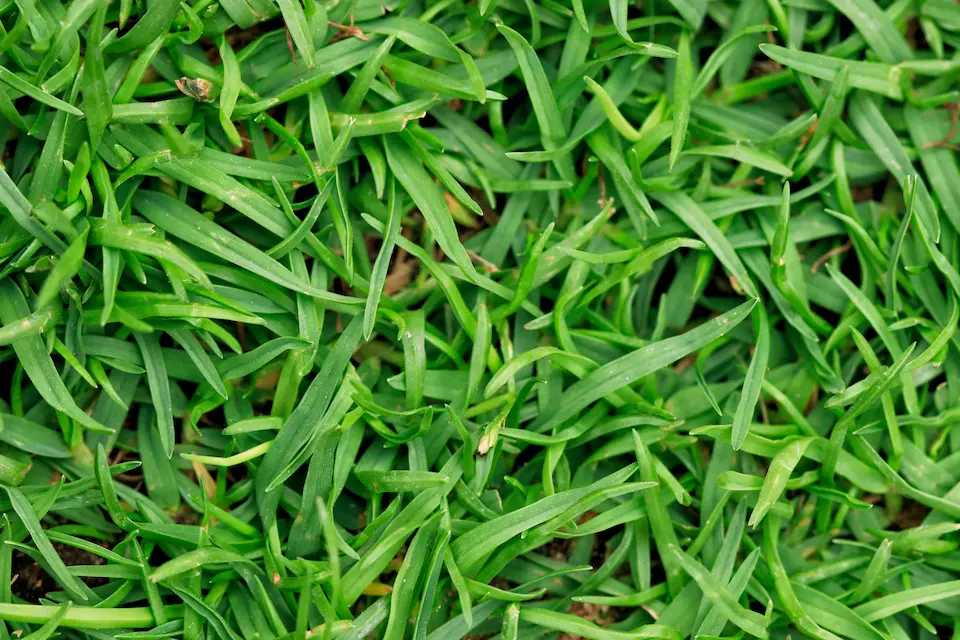
The best time to plant Bermuda grass in North Carolina is late spring to early summer, typically between May and June, when soil temperatures are warm enough for optimal germination and growth. Planting during this window ensures your lawn takes root successfully and thrives throughout the season.
In short, the ideal time to plant Bermuda grass in NC is from late spring to early summer, after the danger of frost has passed and soil has warmed up. This timing allows the grass to establish strong roots and flourish during the warmer months.
Getting your Bermuda grass lawn off to a great start in North Carolina hinges on choosing the right planting time. North Carolina’s climate features distinct seasons, so timing your planting is key to a lush, green yard. Planting too early can risk frost damage, while waiting too long might limit the grass’s growth period. By planting between late spring and early summer, you give Bermuda grass the warm soil and sunlight it needs to establish quickly and develop a healthy, durable lawn that will last for years.

When to Plant Bermuda Grass in NC
Knowing the right time to plant Bermuda grass in North Carolina helps you get a lush, green lawn. The timing ensures your grass grows strong and stays healthy throughout the year. To plan planting correctly, you should understand North Carolina’s climate and seasonal changes.
Understanding North Carolina’s Climate and Its Impact
North Carolina has a diverse climate with warm summers and mild winters. The southern parts experience longer growing seasons, while the northern areas have shorter ones. This variation affects the best time to plant Bermuda grass.
Optimal Temperature Range
Bermuda grass thrives when soil temperatures reach between 65°F and 70°F. Air temperatures should ideally stay above 80°F during the day. These conditions promote quick germination and healthy growth.
Soil Temperature Monitoring
You can check soil temperature with a thermometer inserted about 2 inches deep. It’s best to start planting when soil temperatures consistently stay within the ideal range for a week or more. This reduces the risk of poor germination and patchy growth.
Best Time to Plant Bermuda Grass in North Carolina
Spring Planting Season
The best time to plant Bermuda grass in NC is late spring, typically from late April to early June. During this period, soil and air temperatures are suitable for seed germination.
Planting in spring allows the grass to establish roots before the hot summer months. It also gives the lawn enough time to fill in and become dense before winter.
Fall Planting Considerations
Fall planting is less ideal but still possible in early September if you missed the spring window. Temperatures at this time should still support germination, but you must act quickly to give the grass enough time to establish.
In fall, watch for cooler temperatures and avoid planting too late, as young grass may not develop enough before cold weather arrives.
Factors to Consider Before Planting Bermuda Grass
Existing Lawn Conditions
It’s best to prepare your soil by removing debris and tilling the ground. Clear out weeds and loosen the soil to create a good seed bed. This promotes better root development and seed-to-soil contact.
Soil Type and Preparation
Bermuda grass prefers well-draining, sandy loam soils. Test your soil’s pH level; ideal pH should be between 5.8 and 7.0. Amend your soil with organic matter or lime to optimize conditions.
Watering and Maintenance
Consistent moisture is essential during germination and early growth. Keep the soil moist but not waterlogged. Once established, Bermuda grass is drought-tolerant but benefits from regular watering during dry periods.
Steps to Plant Bermuda Grass in NC
Seed Selection
Choose high-quality Bermuda grass seed suited for North Carolina’s climate. Some popular varieties include TifTuf, Sahara, and 419. These varieties are known for their durability and color.
Planting Methods
- Seed planting: Broadcast seeds evenly across the prepared soil. Lightly rake to cover seeds with a thin layer of soil.
- Hydroseeding: This method involves spraying a seed mixture over the area, suitable for larger lawns.
- Sod installation: If you prefer an instant lawn, lay Bermuda sod in the spring or early summer.
Watering and Aftercare
Immediately after planting, water the area gently to keep the soil moist. Maintain this moisture level until the seeds germinate, which usually takes 7 to 14 days.
Once seedlings are established, reduce watering frequency but continue to keep the soil moist during dry spells. Regular mowing, fertilization, and weed control will promote a healthy, dense turf.
Monitoring and Adjusting Planting Schedule
Signs That Indicate It’s Time to Plant
- Soil temperatures are consistently above 65°F.
- Average daytime temperatures exceed 80°F.
- Spring frosts are no longer expected.
Adjustments for Unusual Weather
If unseasonal cold snaps occur, delay planting until temperatures stabilize. Conversely, if early warm weather begins unexpectedly, you may start planting a bit earlier with proper soil preparation.
Additional Tips for Successful Bermudagrass Planting in NC
Proper Fertilization
Apply a starter fertilizer high in phosphorus to encourage root growth. Follow up with balanced fertilizers throughout the growing season for best results.
Controlling Weeds and Pests
Weeds compete with young Bermudagrass for nutrients. Use pre-emergent weed control if necessary and monitor for pests like chinch bugs or armyworms.
Common Mistakes to Avoid
- Planting too early before soil warms up.
- Overwatering, causing seed rot.
- Skipping soil preparation steps.
- Ignoring pest and weed management.
Related Topics for Bermuda Grass in NC
Maintenance Tips for Bermuda Grass
Learn how to mow properly, fertilize effectively, and aerate your lawn to keep Bermuda grass healthy and resilient.
Dealing with Common Problems
Identify and manage issues such as thatch buildup, drought stress, and disease problems specific to North Carolina’s climate.
Alternative Warm-Season Grasses for NC
If Bermuda grass isn’t suitable for your yard, consider options like Zoysia, Centipede, or St. Augustine, which also perform well in NC’s warm climate.
Planting Bermuda grass at the right time in North Carolina depends on active soil and air temperatures, primarily in late spring. Proper preparation and timing ensure your lawn develops into a dense, healthy turf that withstands the local climate conditions. Remember to monitor weather patterns and soil temperatures closely to make informed planting decisions, and maintain diligent lawn care practices for the best results.
Bermuda Lawn Care – 5 Basics – For A Nice Green Lawn – Beginners Start Here!
Frequently Asked Questions
What is the best season to start planting Bermuda grass in North Carolina?
The optimal time to plant Bermuda grass in North Carolina is late spring through early summer, typically between late April and early June. During this period, soil temperatures are warm enough to promote healthy germination and establish strong roots. Planting too early before the soil warms can lead to poor germination, while planting too late may not give the grass enough time to establish before the cooler months arrive.
How do soil temperature and local climate influence planting timing for Bermuda grass in NC?
Soil temperature and climate conditions are critical factors for successful Bermuda grass planting. In North Carolina, soil temperatures need to reach around 65-70°F for seeds to germinate effectively. The warm climate during late spring and early summer creates ideal conditions. If you plant too early when soil temperatures are still cool, germination slows down, and the grass may struggle to establish. Monitoring local weather patterns helps determine the best planting window based on current soil warmth and forecasted temperatures.
Can I plant Bermuda grass in North Carolina during the fall or winter?
Planting Bermuda grass during the fall or winter in North Carolina generally proves ineffective because cooler temperatures hinder seed germination and seedling growth. The grass requires warm soil temperatures to thrive, and the short daylight hours limit growth potential. For a successful establishment, choose late spring or early summer as the preferred planting times. If you want to plant in the fall, consider using sod instead of seed, as it can establish more quickly, provided you plant early enough to allow for root development before colder weather arrives.
What factors should I consider to determine the right planting time for Bermuda grass in different parts of NC?
When deciding the right time to plant Bermuda grass, consider local climate variations across North Carolina. The coastal regions tend to warm up earlier in the year, allowing for earlier planting, while the mountainous areas may require waiting longer until soil temperatures rise sufficiently. Additionally, check local weather patterns for frost dates and soil temperature trends. Ensuring that soil temperatures are consistently above 65°F and there’s little risk of frost will improve your chances of successful germination and growth.
Final Thoughts
The best time to plant Bermuda grass in NC is late spring when soil temperatures consistently reach 65-70°F. This timing promotes healthy root development and quick establishment. Avoid planting during peak summer heat or early fall, as extreme temperatures hinder growth.
Proper preparation, including soil testing and fertilization, ensures successful planting. Remember, when to plant Bermuda grass in NC is crucial for a lush, resilient lawn. Planning your planting schedule carefully helps achieve optimal results and long-lasting greenery.