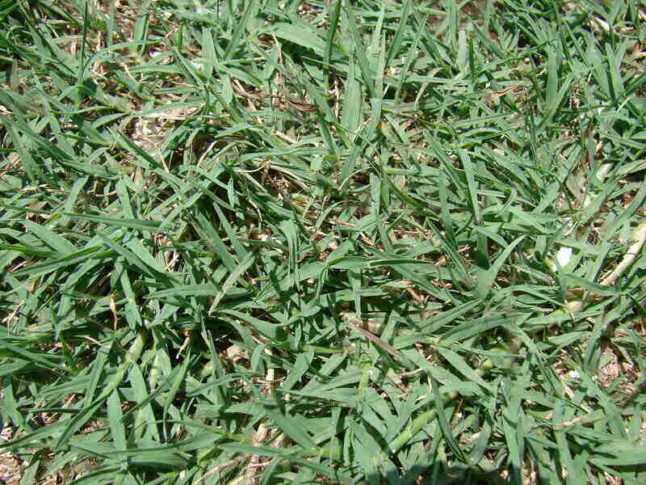
The best time to plant Bermuda grass in Arizona is during late spring through early summer, once the soil warms up and the danger of frost has passed. This ensures optimal growth and a lush, healthy lawn. Planting at the right time is crucial for establishing strong roots and surviving Arizona’s hot summers.
In Arizona, the ideal time to plant Bermuda grass is between late April and early June. This period allows the grass to establish before the intense summer heat sets in. Planting too early, while it’s still cool, can hinder growth, whereas waiting too long might expose the young grass to extreme temperatures before it’s mature enough to handle them. Planning your planting schedule carefully ensures a vibrant, green lawn that thrives throughout the year.
If you’re considering planting Bermuda grass in Arizona, timing is everything. The warm months of late spring and early summer provide the perfect conditions for strong germination and healthy growth. By choosing this window, you’ll give your lawn the best start to withstand the blazing Arizona sun and enjoy a lush, durable yard.

When to Plant Bermuda Grass in AZ: A Complete Guide
Understanding the Climate in Arizona
Arizona’s climate is known for its hot summers and mild winters. These conditions influence the best time to plant Bermuda grass effectively.
During the peak summer months, temperatures often soar beyond 100°F, which can be stressful for new grass seedlings.
In contrast, winter temperatures are generally mild, averaging between 40°F and 60°F, making it an ideal window for planting Bermuda grass.
Optimal Planting Seasons for Bermuda Grass in AZ
The ideal time to plant Bermuda grass in Arizona falls in late spring to early summer.
Typically, planting occurs from late April through June, once soil temperatures reach around 65°F to 70°F.
This window ensures the grass has enough warmth and moisture to establish roots before the hottest part of summer.
Planting during this period gives Bermuda grass a strong start and helps it withstand the intense Arizona heat.
Why Soil Temperature Matters
Soil temperature plays a crucial role in Bermuda grass growth.
Seed germination occurs most rapidly when soil temperatures are between 65°F to 75°F.
Testing your soil temperature with a thermometer can help decide the optimal planting time.
Soil warmth not only promotes quick germination but also enhances root development, leading to a healthier lawn.
Preparing Your Lawn Before Planting
Preparation is key to successful Bermuda grass planting.
Start by clearing out weeds, debris, and old grass to create a clean, smooth surface.
Loosen the soil with a rake or tiller to improve aeration and root penetration.
Adding a layer of compost or organic matter can boost soil nutrients and improve drainage.
Choosing the Right Bermuda Grass Variety
Different Bermuda grass varieties thrive in Arizona’s climate.
Common types include Tifway, TifTuf, and Celebration, each with unique features.
Consider drought tolerance, shade resistance, and maintenance needs when selecting a variety.
Consult with local nurseries or lawn care experts to pick the best type for your specific area.
Planting Methods for Bermuda Grass
Bermuda grass can be planted through seed, sod, or sprigs.
Seed planting is cost-effective but requires warm soil and proper watering for germination.
Sod offers instant coverage but is more expensive and labor-intensive.
Sprigs or plugs are a good middle ground, providing quick establishment with moderate effort.
Seeding Bermuda Grass in AZ
Spread the seed evenly over prepared soil, ensuring good contact.
Lightly rake the seeds into the soil to improve soil-to-seed contact.
Maintain soil moisture consistently, avoiding overwatering that can cause seeds to rot.
Seeding is best done when soil temperatures are consistently above 65°F.
Sodding Bermuda Grass
Lay down freshly harvested Bermuda sod on well-prepared soil.
Press the sod into the soil to eliminate air pockets and ensure good root contact.
Water thoroughly immediately after laying and keep the soil moist during establishment.
Sod can be installed anytime during the active growing season, mainly from late spring to summer.
Planting Sprigs and Plugs
Plant sprigs or plugs about 6 to 12 inches apart in prepared soil.
Water immediately after planting and keep the soil moist until roots develop.
This method is quicker than seeding and less expensive than sod.
Ideal planting times are from late spring through early summer to maximize growth.
Watering Guidelines During Establishment
Proper watering is essential for Bermuda grass to root deeply and grow healthily.
In the first few weeks, water lightly but frequently, aiming for the top 1 inch of soil.
Gradually reduce watering frequency as the grass establishes, promoting deeper roots.
In Arizona’s dry climate, consistent moisture is vital, especially during hot summer days.
Maintaining Bermuda Grass After Planting
Once established, Bermuda grass requires regular mowing, fertilization, and watering.
Mow at a height of 1 to 2 inches to promote dense growth and prevent weeds.
Apply a balanced fertilizer every 6 to 8 weeks to support growth and color.
Aerate the soil periodically to prevent compaction and improve nutrient uptake.
Dealing with Common Challenges
Watch out for pests such as grubs and chinch bugs that can damage Bermuda grass.
Yellow patches or thinning areas may indicate drought stress or fungal issues.
Apply appropriate treatments and adjust watering practices to solve problems promptly.
Weed control is essential; use pre-emergent herbicides early in the season.
Additional Tips for Success in AZ
Plant during a consistently warm period with minimal threat of frost.
Avoid planting during the peak of summer when extreme heat can hinder establishment.
Mulching around newly planted areas can help retain soil moisture.
Monitor weather forecasts closely to prevent drought stress, especially in a desert climate.
Related Topics to Explore
- Best fertilizers for Bermuda grass in Arizona
- How to control weeds in Bermuda grass lawns
- Proper mowing heights for Bermuda grass
- Dealing with pests and diseases in AZ lawns
- Water conservation tips for Arizona lawn care
This detailed understanding of when to plant Bermuda grass in AZ helps homeowners and landscapers maximize success. Timing, soil preparation, and consistent maintenance are the key components.
Planting during the right window ensures a lush, green lawn that withstands the desert heat and requires less ongoing effort.
Following these guidelines will provide a strong foundation for a thriving Bermuda grass lawn tailored to Arizona’s unique environmental conditions.
When to Plant Bermuda Grass Seed in Phoenix
Frequently Asked Questions
What is the ideal time to plant Bermuda grass in Arizona to ensure healthy growth?
The best time to plant Bermuda grass in Arizona is during late spring to early summer, typically between late April and June. This period provides warm soil temperatures and longer daylight hours, which help the grass establish strong roots and promote vigorous growth. Avoid planting too early in the spring when soil temperatures are still cool or late into the fall, as the grass may not have enough time to fully establish before colder weather arrives.
How does the season affect Bermuda grass planting in Arizona?
Seasonality plays a crucial role in Bermuda grass planting. Due to Arizona’s hot climate, planting during the late spring and early summer ensures the soil is warm enough for optimal germination and growth. During these months, temperatures range from 70°F to 95°F, creating ideal conditions for seed germination and sod rooting. Planting outside this window may lead to poor establishment or increased vulnerability to pests and disease.
Can I plant Bermuda grass in Arizona during the cooler months?
Planting Bermuda grass in Arizona during cooler months, such as late fall or winter, is generally not recommended. Cooler soil temperatures slow down germination and root development, which can hinder the grass’s ability to establish itself. Additionally, the shorter daylight hours and lower temperatures decrease growth activity, making it difficult for Bermuda grass to thrive. For best results, wait until late spring or early summer when conditions are warmer.
What factors should I consider when planning to plant Bermuda grass in Arizona?
When planning to plant Bermuda grass in Arizona, consider soil temperature, sunlight exposure, and soil health. Ensuring that the soil temperature is consistently above 65°F is essential for seed germination. Choose a location with full sun, as Bermuda grass prefers direct sunlight for optimal growth. Additionally, prepare the soil by improving drainage and fertilizing appropriately to support healthy root development during the planting season.
Final Thoughts
In conclusion, planting Bermuda grass in AZ requires timing for optimal growth. The best time is during late spring to early summer when soil temperatures warm up.
Knowing when to plant Bermuda grass in AZ helps ensure a healthy, lush lawn. Plan to seed after the last frost date and once soil temperatures reach around 65-70°F. This approach guarantees vigorous establishment and lasting green coverage.