The best time to apply lawn insect granules is when pest activity is at its peak, typically during warm, humid weather in late spring or early summer, and again in early fall. Applying granules proactively can stop pests before they cause significant damage, while timely treatment can also prevent infestations from spreading.
In short, you should apply lawn insect granules when you notice pests beginning to emerge or when conditions favor their activity—mainly in late spring, summer, or early fall. Treating your lawn at these times ensures maximum effectiveness and helps keep your grass healthy and pest-free throughout the year.
Keeping your lawn lush and pest-free is a continuous effort, and knowing the right time to act with insect granules can make all the difference. Pests tend to be most active when the weather warms up and humidity levels rise, making spring and early fall the ideal windows for application. Spotting early signs of pest activity, like visible insects or damaged grass, should prompt immediate treatment to prevent a full-blown infestation. Regularly monitoring your lawn’s health and understanding pest life cycles will help you stay ahead, ensuring your lawn remains vibrant and resilient season after season.

When to Apply Lawn Insect Granules: A Complete Guide
Understanding the Life Cycle of Lawn Pests
Knowing when pests are most active helps determine the best time to apply insect granules. Different insects have specific periods when they hatch, grow, and cause damage. For example, grubs typically emerge in late summer to early fall, while chinch bugs are most active during hot, dry weather in summer. Identifying these periods ensures treatments are effective. Timing correctly prevents pests from damaging the lawn at a critical stage of their cycle.
Best Seasons for Applying Lawn Insect Granules
The two main seasons for applying insect granules are spring and fall. Spring applications target pests that become active as temperatures rise. Fall treatments help control pests that overwinter underground. In some cases, summer applications are necessary for specific pests like chinch bugs. Knowing which pests to target each season makes your pest control efforts more successful.
Spring Applications
Spring is an ideal time to apply insect granules to prevent infestations before they become severe. As the weather warms, pests like armyworms and sod webworms start emerging. Applying granules early can disrupt their life cycle and reduce their population. Timing is key: apply when soil temperatures reach around 55 to 65 degrees Fahrenheit, typically in early to mid-spring.
Fall Applications
Fall treatments are crucial for pests that spend the winter underground, such as grubs. Applying granules in late summer to early fall helps control larvae before they mature. Doing so minimizes damage during the spring and protects the lawn throughout winter. Apply when soil temperatures drop to about 55 degrees Fahrenheit for optimal results.
Monitoring Soil and Weather Conditions
Timing insect granule applications depends heavily on current soil and weather conditions. Regularly check soil temperature and moisture levels, since these influence pest activity. Warm, moist soils encourage pest movements and breeding. Use a soil thermometer to measure temperature, and apply granules when conditions favor pest activity.
Soil Temperature and Pest Activity
Most lawn pests become active within specific soil temperature ranges. For example, grubs are most vulnerable when soil temperatures are between 55 and 70 degrees Fahrenheit. Applying granules outside this range may reduce effectiveness. Tracking soil temperatures helps you plan applications at the right moment.
Weather Considerations
Avoid applying granules just before heavy rain, as water can wash away the product and reduce its efficacy. Ideally, choose days with mild, dry weather after rainfall. Windy days should also be avoided to prevent spraying granules onto unintended areas. Consistent weather conditions improve the success of your pest control efforts.
Frequency of Applications and Pest Life Cycle
Applying granules too often can harm beneficial insects and the environment. Most pests require a single treatment per season, but some may need repeat applications. Understanding the pest’s life cycle helps determine the right timing and frequency. Generally, apply granules every 6 to 8 weeks during active pest seasons.
Assessing the Need for Reapplication
After an initial application, monitor your lawn for signs of ongoing pest activity. Look for direct damage such as chewed grass, holes, or girdling around roots. If pests persist, a second application may be necessary but always follow label instructions to avoid overuse.
Prevention vs. Treatment
Applying granules preventatively can stop pests before they cause damage, especially in high-risk seasons. Conversely, treating existing infestations requires precise timing based on pest presence. Combining both strategies enhances overall lawn health and pest control effectiveness.
Signs Indicating It’s Time to Apply Insect Granules
Knowing the specific signs that pests are present helps you decide when to treat. Early detection means treatments are more effective and less frequent. Keep an eye out for visible pest activity, damaged grass, or underground signs such as tunnels or grubs.
Visible Pests and Damage
Look for insects on the lawn surface, such as chinch bugs or armyworms. You might also notice yellowing or thinning grass, patches of dead turf, or irregular patterns of damage. These signs suggest that pests are active and a treatment might be needed.
Soil and Turf Inspection
Use a soil probe or small shovel to dig into the turf and inspect roots. Presence of grubs or other underground pests indicates it’s time to treat. Additionally, checking for tunneling damage or insect larvae can signal an early infestation.
Using Pest Identification for Accurate Timing
Correct identification of pests helps tailor your treatment schedule. Mistaking one pest for another can lead to ineffective treatments or wasted product. Learn about common lawn pests, their appearance, and their active periods to make informed decisions.
Common Lawn Pests and Their Active Periods
- Grubs: Active in late summer and fall.
- Chinch bugs: Most active during hot, dry midsummer periods.
- Sod webworms: Appear in late spring through summer.
- Armyworms: Usually hatch in spring and early summer.
Matching pest activity with the right timing enhances treatment effectiveness.
Integrating Other Lawn Care Practices
Combining insect control with proper lawn maintenance improves overall health and pest resistance. Healthy lawns are less susceptible to severe damage and may require fewer treatments.
Proper Watering and Mowing
Maintain appropriate watering schedules, avoiding overwatering that encourages pests. Keep grass at recommended heights to prevent pest habitat formation. Regular mowing reduces pest shelter and keeps the lawn tidy.
Fertilization and Lawn Health
A well-fed lawn with balanced nutrients is more resistant to pests. Avoid excessive nitrogen, which can promote pest outbreaks. Use soil tests to determine specific needs and apply fertilizers accordingly.
Related Topics for Better Pest Control
Exploring additional strategies can boost your pest management plan. Consider using beneficial insects, organic options, or cultural practices to complement granule applications.
Biological Control Methods
Introducing natural predators like nematodes or beneficial insects can reduce pest populations without chemicals. These methods are environmentally friendly and safe for children and pets.
Organic Insect Control
Use organic granular products or natural substances like neem oil for pest control. These options often have fewer environmental impacts and are suitable for eco-conscious lawns.
Preventative Lawn Care
Proper aeration, overseeding, and soil conditioning make lawns more resilient to pests. Regularly maintaining your turf minimizes conditions that attract pests and reduces the need for chemical treatments.
This comprehensive approach to understanding when to apply lawn insect granules ensures your lawn stays healthy and pest-free. Accurate timing based on pest behavior, weather, and lawn conditions maximizes treatment effectiveness. Regular monitoring and integrated lawn care practices form the foundation of a pest-resistant and beautiful yard.
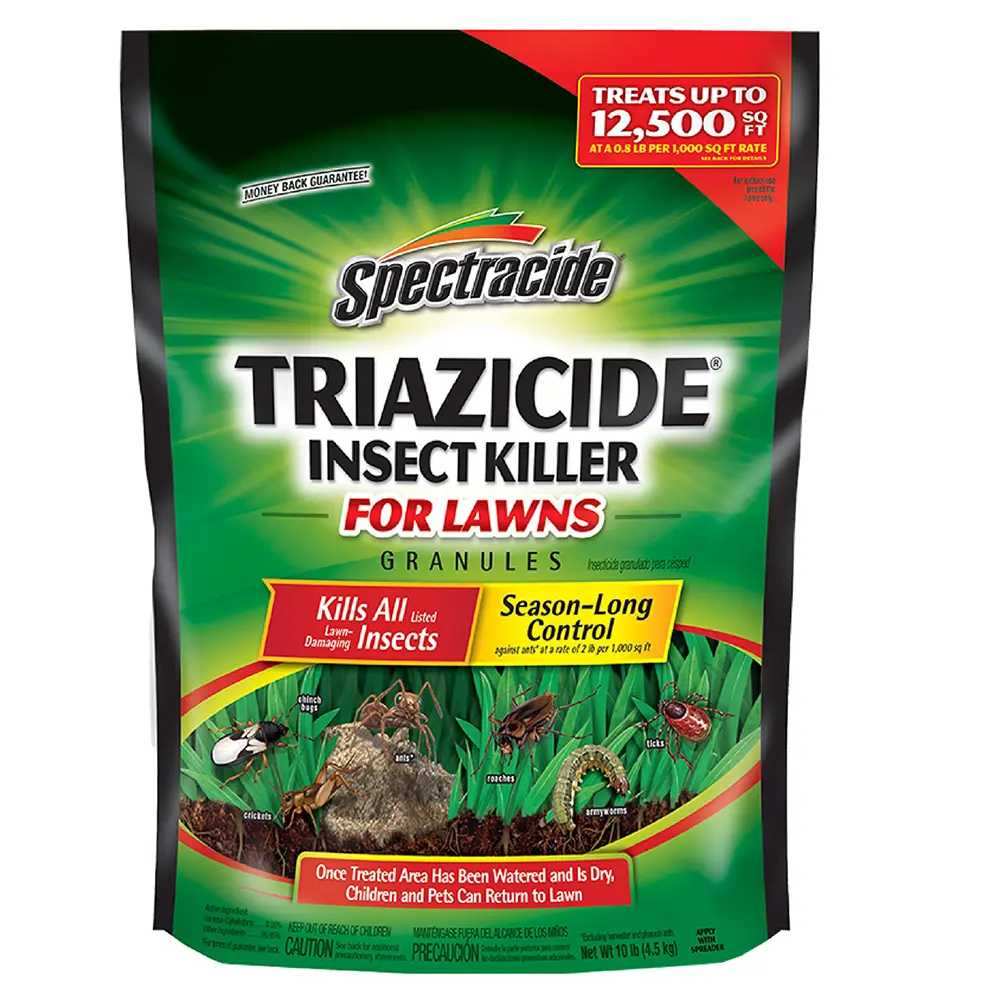
How to Use Spectracide® Triazicide® Insect Killer For Lawns Granules
Frequently Asked Questions
What signs indicate it’s time to apply lawn insect granules?
If you notice an increase in insect activity such as bare patches, chewed grass, or visible pests like grubs and beetles, it’s time to apply insect granules. These signs suggest insect populations are harming your lawn, and treating early can prevent further damage.
When is the ideal season to apply lawn insect granules for maximum effectiveness?
The best time to apply insect granules is during early spring or late summer when insect activity begins to surge. Applying treatments during these periods helps control pests before they cause extensive damage and is most effective when the soil temperature is warm enough for insects to be active.
How soon should I see results after applying lawn insect granules?
Results typically appear within a week of application, as insects start to abandon treated areas or die off. For best results, follow the manufacturer’s instructions regarding application rates and frequency, and monitor your lawn regularly for signs of pest reduction.
Is it better to apply insect granules before or after pest emergence?
Applying insect granules before pests emerge helps prevent infestations, especially if you know your lawn’s pest history. If you notice pests actively damaging your grass, applying granules afterward can help eliminate existing populations and protect your lawn from further harm.
Are there particular weather conditions that influence when to apply lawn insect granules?
Yes, applying granules during dry weather is more effective because it allows the granules to settle into the soil and target the pests beneath the surface. Avoid applying before heavy rain, as excess moisture can wash away the treatment, reducing its effectiveness.
Final Thoughts
Knowing when to apply lawn insect granules is essential for maintaining a healthy yard. Apply them during early signs of insect activity or when you notice damaged grass. Timing your applications before pests multiply prevents serious damage.
Applying granules after rainfall or watering helps the product penetrate the soil effectively. Regular monitoring ensures you treat pests at the right moment.
In conclusion, when to apply lawn insect granules depends on pest activity and environmental conditions. Applying at the correct time maximizes effectiveness and protects your lawn.