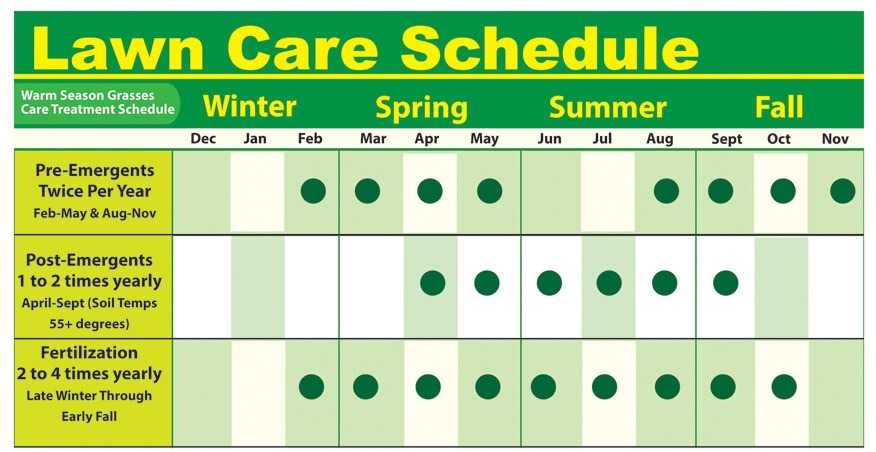
Quick Answer: The best time to apply crabgrass preventer in Texas is in early spring before the crabgrass seeds have a chance to germinate.
Introduction: Wondering when to apply crabgrass preventer in Texas? You’re in the right place! Dealing with pesky crabgrass can be a frustrating task, but with the right knowledge, you can prevent it from taking over your beautiful lawn. Crabgrass is a common weed that thrives in warm climates like Texas, but don’t worry, we’ve got you covered. In this article, we will discuss the optimal time to apply crabgrass preventer in Texas to ensure a crabgrass-free lawn throughout the year. By following a few simple steps, you can keep your lawn looking lush and green while keeping crabgrass at bay. So, let’s dive in and find out when is the best time to apply crabgrass preventer in the great state of Texas!

When to Apply Crabgrass Preventer in Texas
Introduction
Crabgrass can be a nuisance in lawns and gardens across Texas. Its invasive nature and rapid growth make it difficult to control once it takes hold. That’s why applying a crabgrass preventer at the right time is crucial to keep your lawn crabgrass-free. In this article, we will explore the best timing for applying crabgrass preventer in Texas, taking into account the climate, grass types, and other factors specific to the region.
Understanding Crabgrass Preventer
Before diving into the timing, let’s understand what a crabgrass preventer actually does. A crabgrass preventer is a pre-emergent herbicide designed to stop crabgrass seeds from germinating. It forms a barrier on the soil surface, preventing the seeds from developing roots and emerging as weeds. By applying a crabgrass preventer, you can effectively reduce or even eliminate crabgrass from your lawn before it becomes a problem.
Timing Considerations
Determining the right time to apply crabgrass preventer in Texas depends on various factors. Let’s explore each factor in detail:
Climate
Texas’s diverse climate can impact the timing of crabgrass preventer application. The ideal time to apply crabgrass preventer is before the soil temperature reaches the range at which crabgrass seeds typically germinate. In most regions of Texas, this occurs when the soil temperature consistently reaches around 55 to 60 degrees Fahrenheit (13 to 16 degrees Celsius). Monitoring the temperature with a soil thermometer is a reliable way to determine the optimal timing.
Grass Types
Different grass types commonly found in Texas can also influence the timing of crabgrass preventer application. Here are the commonly grown grasses in the region:
- St. Augustinegrass: Apply crabgrass preventer when the grass has greened up and is actively growing.
- Bermudagrass: Apply crabgrass preventer when the grass has fully greened up and is actively growing.
- Zoysiagrass: Apply crabgrass preventer when the grass has greened up and is actively growing.
- Tall Fescue: Apply crabgrass preventer in early spring before tall fescue begins active growth.
- Buffalograss: Apply crabgrass preventer in early spring before buffalograss comes out of dormancy.
Local Recommendations
Consulting with local experts or your county extension office can provide valuable insights into the best time to apply crabgrass preventer in your specific area of Texas. Local recommendations take into account factors such as microclimates, soil conditions, and any specific challenges unique to your region. They can guide you in making informed decisions about the timing and application of crabgrass preventer.
Application Tips
Along with the timing considerations, here are some application tips to ensure the best results when using crabgrass preventer:
Read and Follow Instructions
Always carefully read and follow the instructions provided by the manufacturer on the crabgrass preventer product. Each product may have specific guidelines for application rates and any necessary precautions.
Proper Equipment
Using the right equipment for applying crabgrass preventer is essential. A rotary spreader or a drop spreader is commonly used to evenly distribute the product across the lawn. Calibrating the spreader according to the manufacturer’s instructions helps ensure uniform coverage.
Watering
Watering the treated area after application is crucial to activate the crabgrass preventer. The product needs to be watered into the soil to form a barrier against crabgrass seeds. Follow the specific watering instructions provided on the product label.
Post-Emergent Control
Keep in mind that a crabgrass preventer is not effective against crabgrass that has already emerged. For post-emergent control, you may need to use a suitable herbicide specifically designed for crabgrass removal.
Applying crabgrass preventer at the right time is essential to maintaining a healthy and weed-free lawn in Texas. By considering factors such as climate, grass types, and local recommendations, you can determine the optimal timing for your area. Remember to follow the application tips provided to ensure effective results. With proper timing and application, you can enjoy a lush, crabgrass-free lawn throughout the year in Texas.
When to Apply Crabgrass Preventer in Texas?
Frequently Asked Questions
When is the best time to apply crabgrass preventer in Texas?
In Texas, the timing of applying crabgrass preventer depends on the type of grass you have in your lawn. Generally, it is recommended to apply crabgrass preventer in early spring before the soil temperature reaches 55°F.
Can I apply crabgrass preventer in the fall in Texas?
No, applying crabgrass preventer in the fall is not recommended in Texas. It is best to apply it in early spring before the crabgrass seeds begin to germinate.
Should I apply crabgrass preventer before or after mowing my lawn?
It is recommended to apply crabgrass preventer before mowing your lawn. This allows the product to reach the soil and provide a barrier against crabgrass growth.
Do I need to water my lawn after applying crabgrass preventer?
Yes, watering your lawn after applying crabgrass preventer helps to activate the product and distribute it evenly across the soil. It is important to follow the instructions on the product label regarding watering.
How long does crabgrass preventer last in Texas?
The effectiveness of crabgrass preventer can vary depending on factors such as rainfall, temperature, and lawn management practices. Generally, it can provide protection for up to several months. However, it is recommended to reapply crabgrass preventer if you notice new crabgrass growth.
Can I apply crabgrass preventer during a rainy period in Texas?
It is not ideal to apply crabgrass preventer during a rainy period as excessive rainfall may wash away the product before it has a chance to be absorbed by the soil. It is best to choose a dry period for application and follow the product instructions for watering.
Final Thoughts
When to apply crabgrass preventer in Texas: Timing is crucial when it comes to applying crabgrass preventer in Texas. The best time to apply it is in early spring, before the crabgrass seeds germinate. Typically, this would be around late February to early March. It is important to note that temperature and weather conditions play a significant role in determining the right time for application. It is recommended to follow the instructions provided by the product manufacturer for the most effective results. To prevent crabgrass from taking over your lawn, applying the preventer at the right time is essential.