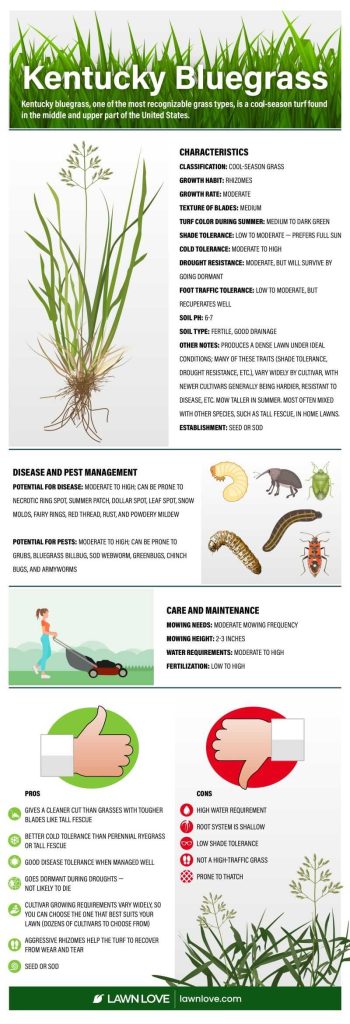
The best time to plant Kentucky bluegrass is during early fall or early spring when temperatures are moderate and soil is moist. This allows the grass to establish roots before extreme weather conditions hit, ensuring a lush, healthy lawn. Timing is key—planting at the right moment can make all the difference in how well your bluegrass thrives.
In short, the ideal time to plant Kentucky bluegrass is in early fall, from late August to October, or early spring, from March to April. These periods give your grass the perfect environment for germination and growth, with cooler temperatures and ample moisture to support development. Knowing when to plant helps you achieve a dense, green lawn that stands out in your yard. Now, let’s explore the details of the best planting seasons and tips for success!

When Should You Plant Kentucky Bluegrass?
Understanding the Best Seasons for Planting Kentucky Bluegrass
Kentucky Bluegrass is a popular turfgrass because of its lush green color and fine texture. To ensure healthy growth, planting at the right time is essential. The two optimal seasons for planting are typically spring and fall. These seasons provide the right temperature and moisture conditions for seed germination and establishment. Planting during these times helps your lawn develop strong roots and resist disease.
Spring: A Prime Time for Kentucky Bluegrass
Spring planting is ideal because soil temperatures start to warm up after winter. When daytime temperatures reach between 60°F and 75°F, Kentucky Bluegrass seeds tend to germinate faster. It is best to aim for planting from late March to early May, depending on your local climate. Spring planting allows the grass to establish before the hot summer months, giving it enough time to develop a deep root system.
Benefits of Spring Planting
- Warmer soil temperatures promote faster germination
- Longer growing season before winter arrives
- Better chance to develop a dense, lush lawn
Preparation for Spring Planting
Before planting in spring, prepare the soil thoroughly. Rake to remove debris and weeds, and test the soil pH. Kentucky Bluegrass prefers a pH between 6.0 and 7.0. Adding compost or fertilizer can improve soil nutrients. Proper preparation ensures that seeds have a healthy environment to grow.
Fall: The Optimal Season for Kentucky Bluegrass
Fall is considered by many experts as the **best time** to plant Kentucky Bluegrass. The ideal window is from late August to October. During this period, soil temperatures are still warm enough for seed germination, typically between 55°F and 65°F. Cooler air temperatures and increased rainfall create excellent conditions for establishing a strong lawn.
Advantages of Fall Planting
- Warm soil helps the seed germinate quickly
- Cooler air reduces stress on young grass
- Seedlings have time to develop roots before winter
- Less competition from weeds compared to spring
Timing Tips for Fall Planting
To maximize success, aim to plant Kentucky Bluegrass at least six weeks before the first expected frost. This window allows the grass enough time to establish roots and grow new shoots. Keep an eye on local frost dates and adjust your planting schedule accordingly.
Factors Influencing the Right Timing
Several factors can affect when you should plant Kentucky Bluegrass. Climate, soil conditions, and your lawn’s specific needs all play a part. For example, in warmer regions, the planting window might be extended, while colder areas may have a shorter ideal timeframe.
Climate Considerations
In northern states, fall planting might be limited to early September to avoid early frosts. Conversely, in milder climates, planting can extend into late October. Spring planting might be riskier in cooler zones if the soil remains too cold.
Soil Temperature Monitoring
Use a soil thermometer to check the temperature of the top 4 inches of soil. Kentucky Bluegrass seeds germinate best when soil temperatures are consistently between 55°F and 65°F. Waiting for the right soil temperature ensures quicker germination and healthier seedlings.
Additional Tips for Successful Planting
Proper timing alone does not guarantee success; preparations and ongoing care are equally important. Here are some tips:
- Choose high-quality Kentucky Bluegrass seed suitable for your region
- Follow specific seeding rates recommended by the manufacturer
- Water thoroughly after planting to keep the soil moist
- Maintain consistent moisture during germination, which typically takes two to three weeks
- Apply a light top dressing of soil or compost for better seed contact
Common Mistakes to Avoid
Knowing what not to do is crucial for a successful planting experience. Avoid planting too late in the fall, which doesn’t give the grass enough time to establish. Similarly, planting in mid-summer can lead to drought stress and poor germination due to high temperatures.
Overlooking Soil Preparation
Skipping soil testing and preparation can hinder seed growth. Always ensure your soil has proper drainage and pH level. Amending soil as needed results in healthier, quicker-growing lawns.
Ignoring Watering Needs
Consistent watering is vital during germination and early growth stages. Avoid letting the soil dry out or become waterlogged, as both conditions can damage developing roots.
Summary
Planting Kentucky Bluegrass at the right time depends largely on your local climate and soil conditions. Spring and fall emerge as the most favorable seasons, offering appropriate temperatures and moisture for healthy seed establishment. Carefully consider timing, soil preparation, and ongoing maintenance to achieve the best results for a beautiful, dense lawn.
When To Seed Kentucky Bluegrass?
Frequently Asked Questions
What is the ideal time to plant Kentucky bluegrass in your region?
The best time to plant Kentucky bluegrass depends on your local climate. Typically, starting in early fall or early spring allows the grass to establish roots before extreme weather conditions. For cooler regions, planting in late summer to early fall provides moderate temperatures and consistent moisture. In warmer areas, early spring is preferable to avoid summer heat stress. Aim for soil temperatures between 50°F and 65°F for optimal germination and growth.
How does soil temperature influence the planting schedule for Kentucky bluegrass?
Soil temperature plays a crucial role in determining the right time to plant Kentucky bluegrass. When the soil reaches 50°F to 65°F, seeds germinate more effectively, leading to quicker establishment. If you plant too early in cooler soil, germination may be delayed or uneven. Conversely, planting when soil is too warm can cause the grass to grow weak and be more susceptible to diseases. Monitoring soil temperature helps you choose the most suitable planting window.
Why should you avoid planting Kentucky bluegrass during the peak of summer?
Planting Kentucky bluegrass during hot summer months can hinder root development and increase stress on new seedlings. High temperatures cause excessive moisture loss and may lead to drought stress if irrigation isn’t sufficient. Additionally, the intense sun can scorch young grass before it establishes a strong root system. It’s better to wait until the temperatures moderate in early fall or spring for successful establishment.
Can you plant Kentucky bluegrass in late fall, and what precautions should you take?
Planting Kentucky bluegrass in late fall can be successful if you choose the right timing and conditions. Ensure the soil is still warm enough for germination and that temperatures won’t drop drastically after planting. Use a light overseeding technique if necessary, and keep the soil consistently moist. Avoid planting when the ground is frozen or snow-covered, as this can impede seed contact with the soil and hinder germination.
How does seasonal rainfall impact the timing of planting Kentucky bluegrass?
Seasonal rainfall significantly influences when you should plant Kentucky bluegrass. Ideally, choose a period with moderate and predictable rainfall to help establish the grass without the need for excessive irrigation. Planting during months with dry spells can cause seeds to dry out before germination, while overly wet conditions may promote disease. Planning planting during naturally moist periods allows the grass to establish healthily with less supplemental watering.
Final Thoughts
The best time to plant Kentucky bluegrass is during early spring or early fall when temperatures are mild. These periods provide optimal growing conditions and allow the grass to establish roots before extreme weather hits.
Planting during the right season ensures your lawn develops a healthy, dense cover. When should you plant Kentucky bluegrass? It is ideal to do so when soil temperatures are consistently between 50-65°F.
Timely planting leads to a lush, vibrant lawn that thrives throughout the year.