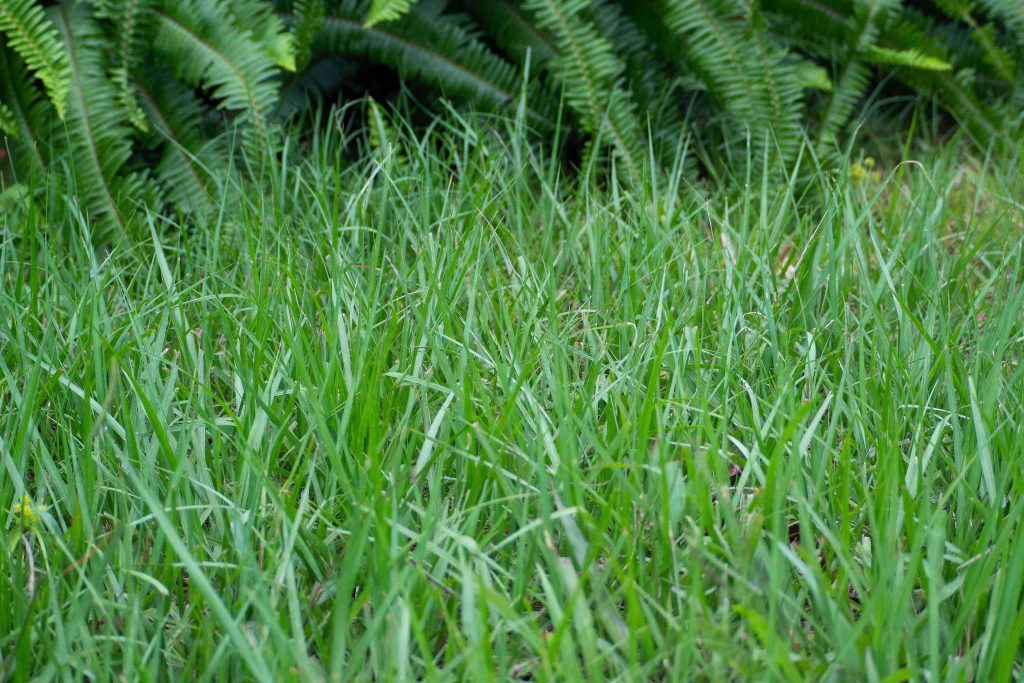
Plant Bahia grass seed in late spring to early summer for the best results. Timing is key to establishing a lush, healthy lawn, so wait until soil temperatures are warm enough and the risk of frost has passed. Early planting ensures the grass has ample time to grow strong before the cooler months arrive.
For those wondering when to plant Bahia grass seed, the ideal window is late spring through early summer, typically when soil temperatures reach around 65-70°F. Proper timing helps the grass develop deep roots and become drought-tolerant, making your lawn vibrant and resilient. Planting during this period also reduces the chances of seed washout and maximizes germination success.
Getting your Bahia grass off to a great start depends on planting at the right time, which varies slightly based on your local climate. Bahia grass thrives in warm, sunny environments and needs consistent moisture during germination. By planting during the warmer months when conditions are ideal, you’ll set the stage for a thick, green lawn that stands out all year round. Remember, patience and proper timing are your best tools for lush, healthy Bahia grass.

When Should Bahia Grass Seed Be Planted?
Understanding the Growth Cycle of Bahia Grass
Bahia grass is a warm-season turfgrass that thrives in hot climates. It grows best during the summer months when temperatures are consistently high. Knowing its growth cycle helps determine the right planting time to ensure healthy establishment and lush coverage.
Ideal Planting Season for Bahia Grass
The best time to plant Bahia grass seed is during late spring through early summer. This period typically provides optimal soil temperatures and weather conditions for germination and growth. Planting during this window helps the grass establish before the cooler months set in.
Spring Planting Considerations
Spring planting should be done after the last frost date. Soil temperatures need to reach at least 65°F (18°C) for effective germination. Early spring planting can be successful if the weather is warm and consistent.
Summer Planting Considerations
Summer planting is ideal in regions with long, warm growing seasons. Ensure that irrigation is available to keep the soil moist, especially during hot spells. Proper watering helps the seeds germinate and establishes healthy roots.
Climatic Factors Influencing Planting Time
Weather conditions greatly affect when Bahia grass seed should be planted. Optimal soil temperatures are between 70°F and 85°F (21°C to 29°C). Excessively cold or wet soils can hinder germination and delay growth.
Temperature Requirements
Bahia grass germinates most effectively when soil temperatures are in the 70s and 80s Fahrenheit. Temperatures below 65°F (18°C) slow down germination significantly.
Rainfall and Moisture
Adequate moisture is essential for seed germination. Planting should be planned during periods with expected regular rainfall or when irrigation is available. Well-moistened soil promotes uniform seed germination.
Soil Preparation and Its Role in Timing
Proper soil preparation is critical for successful Bahia grass planting. The soil must be well-drained, loose, and rich in nutrients. Timing your planting after soil preparation ensures the seeds have the best environment to grow.
Testing Soil Conditions
Before planting, check soil pH levels, which should be between 5.5 and 6.5. Testing helps decide if amendments are needed. Adjust soil acidity or alkalinity to create optimal conditions.
Preparing the Soil
Clear debris and loosen the soil to a depth of about 4 inches (10 cm). Incorporate compost or organic matter to improve fertility. Proper preparation minimizes seed competition and encourages strong root development.
Timing Based on Local Climate Zones
Different regions have varying climates, influencing planting schedules. For cooler regions, planting should be delayed until soil warms up. For warmer climates, planting can be early in the season.
Southern Regions
In southern states with mild winters, Bahia grass can be planted as early as late April or early May. Warm soil temperatures make this period suitable for seed germination.
Northern Regions
In northern areas with cooler springs, it is better to wait until late May or early June, when soil temperatures stabilize above 65°F. This ensures successful germination and growth.
Timing for Overseeding and Renovation
If you are overseeding an existing lawn, timing is still important. Spring and early summer are good options for patchy or thin Bahia grass areas. Renovation work should be completed before the heat of summer.
Overseeding in Spring
Spring overseeding allows the new grass to establish before the peak summer heat. Prepare the soil well and keep the area moist during the critical germination period.
Summer Renovation
Summer renovation is possible if irrigation and proper soil preparation are maintained. Focus on early summer to maximize growth before the cooler months.
Factors to Avoid When Planting Bahia Grass Seed
Certain conditions can adversely affect seed germination and growth. Avoid planting during cold spells, prolonged rainy seasons, or drought conditions.
Cold Weather
Seeding during freezing or near-freezing temperatures delays germination and may kill young seedlings. Always wait until soil temperatures are consistently warm.
Heavy Rain and Flooding
Excess moisture can cause seeds to rot or wash away. Ensure proper drainage and avoid planting during periods of heavy rain.
Extreme Drought
In drought conditions, seed germination stalls, and seedlings struggle to establish. Adequate watering is essential for successful planting.
Best Practices for Successful Bahia Grass Planting
Timing alone isn’t enough; proper techniques are vital. Use high-quality seed, follow recommended planting rates, and keep the soil consistently moist during germination.
Seed Selection and Quality
Choose certified Bahia grass seed with high purity and germination rates. Quality seed increases the chances of successful establishment.
Seed Rate and Spreading
Apply seed at a rate of around 10 to 20 pounds per 1,000 square feet. Use a broadcast spreader for uniform coverage and lightly rake the area to ensure contact with soil.
Watering and Maintenance
Keep the soil consistently moist for the first two to three weeks after planting. Once established, Bahia grass is drought-tolerant but benefits from occasional deep watering.
Summary of Optimal Planting Times
| Region | Best Planting Window | Soil Temperature | Notes |
|———|———————|——————-|————————————-|
| South | Late April to early June | 70°F to 85°F | Long growing season, warm soil |
| North | Late May to early June | 70°F to 85°F | Wait for warm soils, late spring |
| Central | Late May to June | 70°F to 85°F | Ensure no frost risk |
Ensuring you plant Bahia grass seed at the right time based on local climate, soil conditions, and weather forecasts will lead to a healthier, more vibrant lawn.
Related Topics
- How to Maintain Bahia Grass
- Best Fertilization Practices for Bahia Grass
- Watering Tips for a Healthy Bahia Lawn
- Common Problems and Solutions for Bahia Grass
How To Care For A Bahia Grass Lawn Part 1
Frequently Asked Questions
What is the ideal time of year to plant Bahia grass seed?
The best time to plant Bahia grass seed is during late spring to early summer when soil temperatures are consistently warm, typically between 65°F to 70°F (18°C to 21°C). Planting during this period allows the seed to establish strong root systems before the cooler months arrive. Avoid planting in late fall or winter, as cold temperatures hinder germination and seedling growth.
How does local climate influence the timing for Bahia grass seeding?
In warmer climates, you can plant Bahia grass seed earlier in the year, usually in early spring. In cooler regions, wait until late spring or early summer when temperatures rise steadily. Consistently warm soil and air temperatures are crucial for successful germination and growth. Monitoring local weather patterns helps determine the most suitable window for planting.
Should I consider soil preparation before planting Bahia grass seed at the right time?
Yes, preparing the soil before planting ensures better seed-to-soil contact, which promotes germination. Clear the area of debris, loosen the soil, and level the surface. Incorporating compost or organic matter can improve soil fertility. Proper preparation during the recommended planting window increases the chances of establishing a healthy and durable Bahia grass lawn.
What are the signs that indicate it’s the right season for Bahia grass seed planting?
Warm soil temperatures, longer daylight hours, and the absence of frost are good indicators of the right season. When nighttime temperatures stay above freezing and daytime temperatures consistently reach at least 70°F (21°C), conditions are favorable. Checking local weather forecasts helps confirm that you are planting during an optimal period for seed success.
Final Thoughts
when should bahia grass seed be planted, timing plays a crucial role in successful growth. Plant during late spring or early summer when the soil warms up and the risk of frost has passed. This ensures the grass establishes well and thrives throughout the warmer months.
Planting at the right time helps the seed develop strong roots, leading to a lush, healthy lawn. Being attentive to the seasonal window for bahia grass seed is essential for optimal results.