Kentucky bluegrass typically starts to grow in early spring and reaches its full lushness by late spring or early summer. Knowing the right time to plant and care for this popular lawn grass can make all the difference in achieving a vibrant, healthy yard. If you’re wondering when Kentucky bluegrass grows best, the answer lies in understanding its seasonal patterns and climate needs. Generally, it begins to sprout as temperatures rise and continues to flourish through the cooler months of late spring and fall, providing a beautiful green carpet for your outdoor space.
In short, Kentucky bluegrass germinates in early spring when soil temperatures reach around 50-65°F and continues to grow through cooler weather, thriving in moderate climates. Proper timing ensures a dense, resilient lawn that can withstand foot traffic and weather changes, making it a favorite choice for many homeowners. To get the best results, it’s essential to know the specific growing window for your region, so you can plan your seeding or overseeding accordingly.

When Does Kentucky Bluegrass Grow? A Complete Guide to Its Growing Season
Understanding Kentucky Bluegrass: An Introduction
Kentucky bluegrass is one of the most popular grasses for lawns in many regions. It is loved for its vibrant color and soft texture, making outdoor spaces inviting and beautiful. To keep it healthy, knowing its growth cycle is essential.
Climate Needs for Kentucky Bluegrass Growth
Kentucky bluegrass thrives best in cool-season climates. It prefers temperatures between 60°F to 80°F during the day. This grass naturally grows in regions with cold winters and moderate summers.
Optimal Time Frame for Kentucky Bluegrass Sprouting
Kentucky bluegrass primarily sprouts in early spring. As soil temperatures reach around 50°F, seed germination begins, usually between March and April. This timing allows the grass to establish roots before the heat of summer.
Spring Growth Period
In spring, Kentucky bluegrass starts to sprout as soil warms. During this period, you might notice small green shoots poking through the soil. Proper watering and fertilizing during this time promote healthy growth.
Summer Growth and Dormancy
Summer often brings slower growth for Kentucky bluegrass, especially in regions with high temperatures. During hot months, the grass might enter a state of dormancy to conserve water and energy. Regular watering helps prevent brown patches.
Fall Revival and Growth
In fall, Kentucky bluegrass begins to grow again actively. Cooler temperatures and increased rainfall encourage new shoots and root expansion. This period is ideal for overseeding and fertilization to strengthen your lawn.
The Impact of Seasonal Changes on Kentucky Bluegrass
Understanding how seasons influence growth helps in planning lawn care activities. Each season offers different growth opportunities and challenges for Kentucky bluegrass.
Spring: The Growth Surge
Once the soil warms, growth accelerates. During this time, it’s crucial to apply starter fertilizers to support root development. Proper mowing height during spring encourages healthy growth.
Summer: Maintaining the Lawn
High temperatures and drought conditions can stunt growth or cause dormancy. Applying mulch, watering deeply, and avoiding excessive foot traffic help protect the grass.
Fall: Building Resilience
Fall is the best time to prepare Kentucky bluegrass for winter. Overseeding during this period fills in thin spots, and applying a winterizing fertilizer helps the grass store nutrients for spring.
Winter: Dormancy Period
During winter, Kentucky bluegrass remains mostly dormant in colder regions. It benefits from minimal mowing and watering, only if necessary to prevent damage from ice or snow.
Soil Conditions and Their Effect on Growth
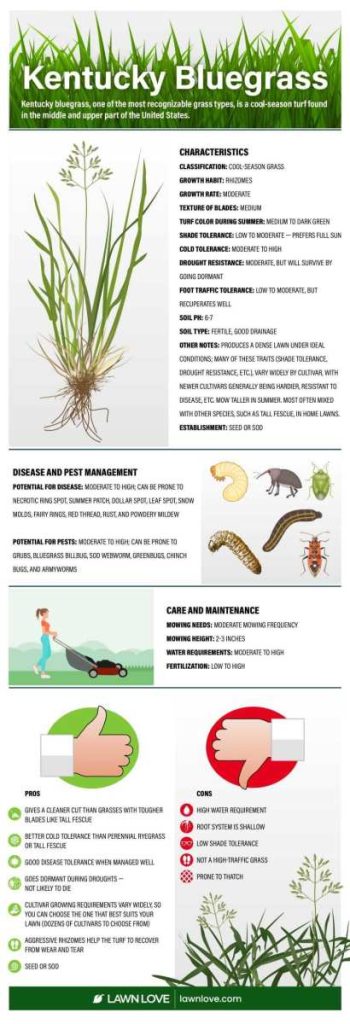
Healthy soil is key for Kentucky bluegrass to grow well. It prefers well-drained soil with a pH between 6.0 and 7.0. Adequate aeration, regular fertilization, and proper watering boost growth.
Soil Preparation Before Planting
Before seeding, it’s advised to till the soil and add organic matter. This creates a fertile environment for seedlings to establish quickly.
Adjusting Soil pH for Optimal Growth
If soil tests show imbalances, amendments like lime or sulfur can correct pH levels. Proper soil adjustments lead to stronger, more vigorous grass.
Maintaining Kentucky Bluegrass Throughout Growing Season
Consistent care ensures the grass stays healthy and green through its growth cycle.
Watering Routines
Kentucky bluegrass needs about 1 to 1.5 inches of water weekly. Deep, infrequent watering encourages deep root growth and drought tolerance.
Mowing Tips for Healthy Growth
Keep mower blades sharp and mow at a height of 2 to 3 inches. This height preserves moisture and shade, preventing weeds and pests.
Fertilization Schedule
Applying a balanced fertilizer every six to eight weeks during active growth provides essential nutrients. Using slow-release fertilizers minimizes runoff and promotes steady growth.
Growing Kentucky Bluegrass from Seed
Starting a new lawn with Kentucky bluegrass seed requires patience, but the results are worth it.
Seeding Time and Conditions
The best time to seed is early spring or early fall when temperatures are mild. Ensure the soil is moist, and seeds are evenly spread.
Germination Process
Seeds typically sprout within 14 to 30 days, depending on conditions. Keep the soil consistently moist and avoid heavy foot traffic during this period.
Density and Over-seeding Tips
For a thick lawn, overseed annually in fall. Proper soil preparation and choosing high-quality seed help achieve dense coverage.
Related Topics: Extending Your Kentucky Bluegrass Growing Season
You can extend the growth period with proper lawn care and maintenance techniques. Using frost blankets, aeration, and timely fertilization can help the grass stay healthier longer.
Using Lawn Care Products
Applying growth stimulants or soil amendments specific to Kentucky bluegrass can improve its vigor. Always follow manufacturer instructions for best results.
Dealing with Pests and Diseases
Healthy growing grass resists pests better. Regular inspections and early treatment of issues like fungal diseases safeguard your lawn.
Transitioning Between Seasons
Adjust watering and mowing as the seasons change. Properly managing your lawn’s needs helps maintain its growth and appearance.
Summary of Key Growth Periods for Kentucky Bluegrass
| Season | Typical Growth Activity | Best Activities |
|---|---|---|
| Spring | Germination and early growth | Seeding, fertilizing, mowing at correct height |
| Summer | Slowed growth or dormancy | Watering, avoiding heavy traffic |
| Fall | Active growth and recovery | Overseeding, fertilizing, aerating |
| Winter | Dormant in cold regions | Minimal activity, protection from damage |
Knowing exactly when Kentucky bluegrass grows in each season helps you plan your lawn care perfectly. By understanding its growth stages and requirements, you can keep your yard lush, green, and healthy year-round. Proper timing and maintenance are the secrets to enjoying a beautiful Kentucky bluegrass lawn.
When To Seed Kentucky Bluegrass?
Frequently Asked Questions
What is the typical seasonal growth period for Kentucky bluegrass?
Kentucky bluegrass generally grows actively during the cooler months of spring and fall. Its growth slows down during the hot summer months due to heat stress and dormancy. In regions with milder winters, you might see some growth year-round, but peak activity occurs from early spring through late fall.
When should I expect Kentucky bluegrass to start greening up in the spring?
Most Kentucky bluegrass lawns begin greening up and resuming growth as soil temperatures reach around 55°F to 60°F, typically in early to mid-spring. This can occur anywhere from March to April depending on your local climate and weather patterns.
How does temperature influence the growth cycle of Kentucky bluegrass?
Temperatures play a vital role in Kentucky bluegrass growth. The grass thrives when daytime temperatures are between 60°F and 75°F. During these conditions, it actively develops. When temperatures rise above 85°F, growth slows, and the grass may go dormant until cooler weather returns.
Is Kentucky bluegrass actively growing during winter in colder climates?
In colder regions, Kentucky bluegrass usually enters dormancy during winter, especially when temperatures drop below freezing. Growth pauses until temperatures warm up in early spring. However, if your area experiences mild winters, you might notice some limited growth or greening during the winter months.
Can proper watering influence the growth timing of Kentucky bluegrass?
Yes, consistent watering helps promote healthy growth and can slightly extend the active growing period for Kentucky bluegrass. Well-watered turf recovers faster from stress and begins growing sooner in spring, especially when soil conditions are optimal for root development.
Final Thoughts
Kentucky bluegrass thrives in cooler temperatures, making it ideal for early spring and fall planting. It begins growing as the weather cools in autumn and resumes actively in early spring. Proper watering and fertilization can promote healthy growth during these periods.
When does kentucky bluegrass grow? It mainly grows during the cooler months, with growth slowing in hot summer weather. Understanding its growth cycle helps in planning the best time for seeding or overseeding.