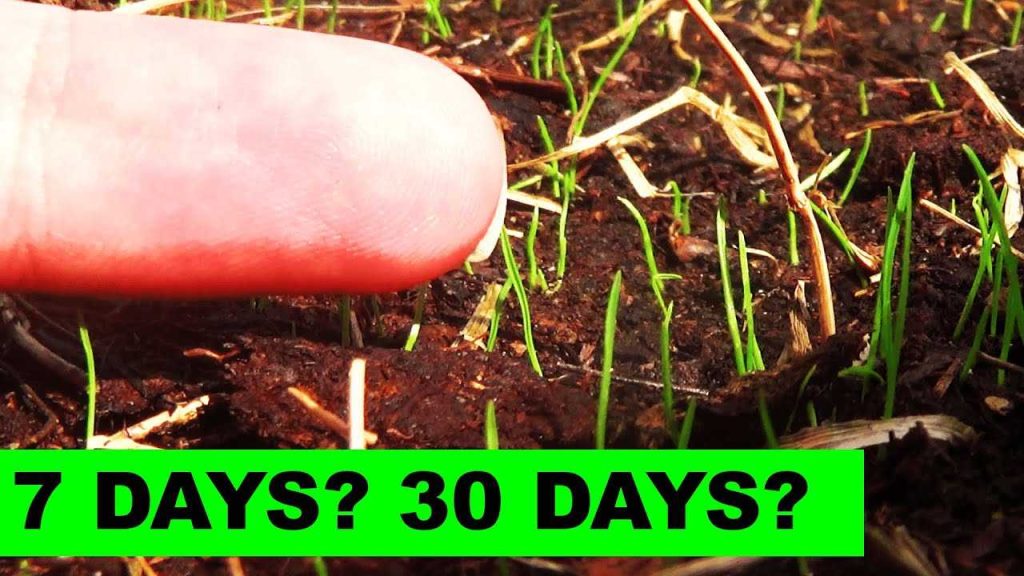
Kentucky bluegrass typically germinates between 14 to 30 days after planting, depending on soil temperature and moisture levels. If you want a lush, green lawn, timing is everything—knowing exactly when your seed will sprout can make all the difference.
In short, Kentucky bluegrass seeds generally start to germinate when soil temperatures reach about 55 to 65°F, usually in early spring or early fall. Proper soil preparation and consistent watering can speed up germination and ensure a healthy, dense turf.
Getting your lawn off to the right start is key to a beautiful yard, and understanding when Kentucky bluegrass seeds germinate helps you plan your planting schedule accordingly. This grass is a popular choice for many homeowners because of its fine texture and durability, but patience is necessary during the germination process. Knowing the ideal timing and conditions ensures you can enjoy that vibrant, carpet-like lawn sooner rather than later.

When Does Kentucky Bluegrass Germinate?
Understanding the germination process of Kentucky bluegrass is key to establishing a healthy, lush lawn. The timing of germination depends on several factors, including soil temperature, weather conditions, and planting methods. By knowing the ideal conditions and timing, you can ensure your grass grows strong and vibrant.
Optimal Soil Temperature for Kentucky Bluegrass Germination
Kentucky bluegrass generally germinates best when soil temperatures range between 50°F to 65°F (10°C to 18°C). These temperatures encourage quick sprouting and healthy root development. Soil temperature is more important than air temperature because grass seeds respond directly to the soil environment.
Why Soil Temperature Matters
Seeds require a specific temperature window to sprout efficiently. If the soil is too cold, germination slows down or stops entirely. Too hot, and the seeds might not germinate or could be damaged. Monitoring soil temperature with a soil thermometer helps determine the right planting time.
Best Time to Plant Kentucky Bluegrass for Germination
The ideal periods for planting Kentucky bluegrass are in early fall or spring. Planting in these windows allows the seeds to germinate before extreme weather conditions set in. Spring planting typically occurs between March and May, while fall planting takes place from August to October.
Spring Planting Considerations
Spring planting requires warm soil temperatures and adequate rainfall. Waiting until the soil warms up to at least 50°F ensures faster germination. Avoid planting too early when soil remains cold and wet, which can hinder seed sprouting.
Fall Planting Considerations
Fall offers cooler air and soil temperatures, making it easier for Kentucky bluegrass to establish roots before winter. Aim for planting in late August or September for best results. This timing gives the grass time to grow and strengthen before the cold weather arrives.
Environmental Factors Affecting Germination
Several environmental elements influence how quickly Kentucky bluegrass germinates. These include soil moisture, sunlight, and temperature stability. Proper management of these factors helps promote successful germination.
Soil Moisture
Consistent moisture is critical during the germination phase. Keep the soil evenly moist but not waterlogged. Water lightly and frequently after planting to encourage sprouting.
Sunlight Exposure
Kentucky bluegrass prefers full sun for optimal growth. Ensure your planting area receives at least 6 hours of direct sunlight daily. Adequate sunlight helps seeds develop strong, healthy shoots.
Temperature Stability
Sudden fluctuations in temperature can delay germination. Maintain stable conditions by planting at the right time of year and protecting the area from extreme cold or heat waves.
Preparing the Soil for Germination
Proper soil preparation enhances germination success. Conduct a soil test to check pH levels, which should be between 6.0 and 7.0 for Kentucky bluegrass. Amend the soil with compost or organic matter if necessary.
Seeding Techniques
When planting Kentucky bluegrass, use a seed spreader for even distribution. Cover the seeds lightly with soil or topsoil to protect them from birds and to ensure good seed-to-soil contact.
Watering Practices During Germination
After planting, keep the soil moist with gentle watering. Avoid overwatering, which can cause rot, or underwatering, which can dry out the seeds. Maintain consistent moisture until germination occurs.
Germination Timeline of Kentucky Bluegrass
Typically, Kentucky bluegrass seeds germinate within 14 to 30 days under optimal conditions. This period can vary based on temperature, soil health, and moisture levels. During this window, consistent care increases the chances of successful sprouting.
Signs of Seed Germination
Look for small shoots emerging from the soil surface. These are initial signs that roots are developing. Once seedlings appear, reduce watering frequency but continue providing adequate moisture.
Factors That Can Delay Germination
Several issues can hinder seed sprouting. Cold soils, dry conditions, compacted ground, or poor seed quality can all slow the process. Addressing these problems helps improve germination success rates.
Dealing with Cold Soil
If the soil remains chilly past the ideal planting time, consider delaying planting or using soil heating mats. This prevents seeds from sitting in cold, wet conditions that inhibit sprouting.
Addressing Poor Soil Drainage
Waterlogged soil can drown seeds and impede germination. Improve drainage by aerating the soil or amending it with organic matter. Proper drainage is essential for healthy seed development.
Post-Germination Care
Once Kentucky bluegrass begins to sprout, maintain consistent watering and avoid heavy foot traffic. Gradually introduce mowing after the grass reaches a height of about 3 inches, which encourages strong growth.
Fertilizing for Healthy Growth
Apply a balanced fertilizer once the grass has established roots. Follow fertilizer guidelines based on soil test results to provide necessary nutrients for continued development.
Pest and Weed Control
Manage weeds and pests early to prevent competition with tender grass seedlings. Use appropriate herbicides or organic weed control methods, and monitor for pests regularly.
Related Topics to Explore
- Proper watering techniques for new Kentucky bluegrass
- Best soil amendments for Kentucky bluegrass
- Choosing the right grass seed for your climate
- Tips for maintaining a green lawn year-round
- Common problems in Kentucky bluegrass lawns and solutions
Understanding the precise timing and conditions for Kentucky bluegrass germination helps you plan and care for your lawn effectively. Paying attention to soil temperature, moisture, and environmental factors ensures your grass starts healthy and grows strong.
When To Seed Kentucky Bluegrass?
Frequently Asked Questions
What environmental conditions influence the germination of Kentucky bluegrass?
Kentucky bluegrass germinates best when the soil temperature ranges between 55°F and 65°F (13°C to 18°C). Adequate moisture is essential; the soil should remain consistently moist but not waterlogged. Cooler temperatures in early spring and fall create optimal conditions for seed sprouting, while excessive heat and drought can hinder germination efforts.
How long does it typically take for Kentucky bluegrass to sprout after planting?
Under ideal conditions, Kentucky bluegrass seeds usually begin to sprout within 14 to 21 days. Factors such as soil preparation, moisture levels, and temperature fluctuations can either accelerate or slow down the germination process. Ensuring proper care during this period encourages healthy seed emergence.
Can soil preparation impact the germination timing of Kentucky bluegrass?
Yes, preparing the soil correctly significantly influences germination timing. Properly loosen the soil and remove debris to improve seed contact and aeration. Incorporating organic matter can also enhance moisture retention and nutrient availability, creating a more favorable environment for seedlings to develop promptly.
Is it possible to expedite Kentucky bluegrass germination through specific practices?
You can promote quicker germination by maintaining consistent soil moisture and ensuring optimal planting conditions. Using warm soil to plant early in the season and applying starter fertilizers can give seeds the nutrients they need to sprout efficiently. Avoid overwatering, which can lead to seed rot and delays in emergence.
Does the timing of planting affect when Kentucky bluegrass will germinate?
Planting during early spring or fall when soil temperatures are within the ideal range supports timely germination. Avoiding planting during the hottest parts of summer helps prevent stress on seeds, leading to more uniform and faster emergence. Timing your planting schedule accordingly improves the chances of successful germination.
Final Thoughts
Kentucky bluegrass typically germinates in early spring, around 14 to 21 days after planting. The best conditions for germination include consistent moisture and moderate temperatures between 60-75°F.
Proper preparation of the soil and timely seeding contribute to quicker germination and healthy turf development.
When does Kentucky bluegrass germinate? It generally depends on the weather and soil conditions, but vigilant care ensures successful growth.