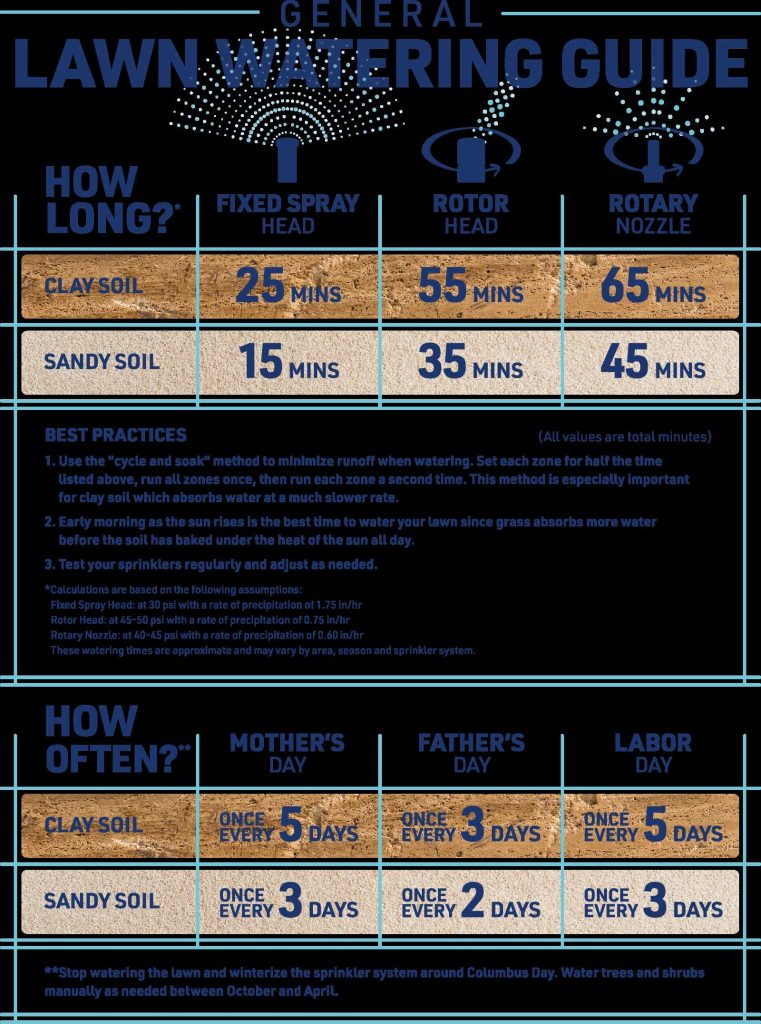
Water Kentucky bluegrass deeply once or twice a week, depending on weather conditions, to keep it healthy and lush. Avoid frequent shallow watering, which can lead to shallow roots and a stressed lawn. Instead, focus on giving your grass a thorough soak so it can develop strong roots, making it more drought-resistant and resilient in the long run.
Kentucky bluegrass generally needs watering once or twice weekly, with adjustments based on rainfall and temperature. When you water deeply and infrequently, you promote strong root growth and a resilient lawn. Knowing the right watering schedule helps you maintain a vibrant, green yard effortlessly.
If you’re wondering how often to water Kentucky bluegrass, the key is to balance enough moisture to keep the grass healthy without overwatering. This grass type prefers deep, infrequent watering to encourage deep roots and avoid disease. During hot, dry spells, you might need to water more often, but always aim for soaking the soil to at least 6 inches deep. Regularly checking soil moisture levels ensures your lawn gets just the right amount of water to stay green and lively.

How Often Should Kentucky Bluegrass Be Watered?
Understanding Kentucky Bluegrass and Its Water Needs
Kentucky Bluegrass is a popular choice for lawns because it stays green and lush. It prefers moist soil but doesn’t like to sit in waterlogged conditions. Knowing how often to water helps keep your grass healthy and vibrant. Overwatering can cause root rot, while underwatering leads to brown patches.
The key is to give Kentucky Bluegrass enough water to penetrate the soil deeply without drowning the roots. Generally, about one to one and a half inches of water per week is ideal. This amount can come from rainfall or supplemental watering.
Monitoring your lawn helps you determine when to water. Look for signs like footprints remaining visible after walking on the grass or a dull, bluish-green color. These indicate the grass needs moisture.
Weekly Watering Schedule for Kentucky Bluegrass
Most lawns should be watered once or twice a week, depending on weather conditions. During hotter, dry periods, increase watering to prevent drought stress. In cooler seasons, reduce watering because the grass needs less moisture.
A good rule of thumb is to water enough to soak the soil to a depth of six to eight inches. Deep watering encourages roots to grow downward, making the grass more drought-resistant. Avoid shallow, frequent watering that keeps the topsoil moist but leaves the roots shallow.
The timing of watering is also important. Early morning, between 4 a.m. and 8 a.m., is the best time. Watering early helps minimize evaporation and fungal growth, and the grass dries during the day. Evening watering is less ideal because prolonged moisture can foster disease.
Factors Influencing Watering Frequency
Many factors affect how often you should water Kentucky Bluegrass. These include soil type, weather, grass age, and level of foot traffic. Understanding these factors ensures your lawn gets the right amount of moisture.
Soil Type and Drainage
Clay soils hold water longer, so they require less frequent watering. Sandy soils drain quickly and need more frequent watering to stay moist. Loamy soils are ideal because they retain moisture well while draining excess water.
Tip: Use a soil probe or a screwdriver to check soil moisture. If the tool goes in easily and soil feels moist, you likely do not need to water yet.
Weather Conditions
Hot, windy, or dry weather increases water needs because moisture evaporates faster. Conversely, during rainy periods, watering can be reduced or skipped.
Tip: Keep an eye on weather forecasts to adjust your watering schedule accordingly.
Grass Age and Usage
Newly seeded or sodded lawns need more frequent watering to establish roots. Young grass may require daily watering in the first two weeks. Established lawns, around one to three years old, typically need less frequent watering.
High foot traffic areas tend to dry out faster and may need more attention. Reducing foot traffic during hot spells can also help retain soil moisture.
Signs Your Kentucky Bluegrass Needs Water
Knowing the signs your lawn lacks water helps you avoid stress and damage. Here are key indicators:
- Footprints lingering: footprints stay visible longer than usual.
- Color change: grass turns dull bluish-green or pale.
- Soil dryness: soil feels dry several inches below the surface.
- Wilting: grass blades appear limp and fold over.
- Increased pest activity: dry grass can attract pests seeking moisture.
Regularly inspecting your lawn helps avoid over- or underwatering, maintaining the health of Kentucky Bluegrass.
Techniques for Effective Watering
Using proper watering techniques ensures your lawn gets the moisture it needs without wastage.
Use of Sprinklers and Timers
Sprinklers are an efficient way to water large lawns evenly. Consider installing a timer to automate watering, ensuring consistency. Aiming for early morning runs avoids unnecessary evaporation.
Watering Depth and Frequency
Focus on deep, infrequent watering to promote deep root growth. Shallow watering leads to shallow roots, making grass more vulnerable to drought. Use a rain gauge or catch can to measure the amount of water applied.
Adjustments for Rainfall
Skip watering after heavy rainfalls to prevent waterlogging. Use a rain gauge to track precipitation and modify your schedule accordingly.
Special Considerations for Seasonal Changes
Seasonal shifts influence watering needs.
Spring and Fall
During these seasons, Kentucky Bluegrass requires less water. Regular rainfall often suffices, but watch for dry spells. Adjust watering based on soil and weather conditions.
Summer
Hot temperatures and increased evaporation mean watering needs ramp up. Expect to water more frequently, especially during dry, windy days.
Winter
In cooler months, Kentucky Bluegrass goes dormant and requires minimal watering. Ensure the soil stays slightly moist, especially when the weather is warm or when snow melts.
Additional Tips for Maintaining a Healthy Kentucky Bluegrass Lawn
Effective watering is part of a holistic lawn care routine. Here are some extra tips:
- Aerate the soil: this improves water penetration and reduces soil compaction.
- Maintain proper mowing: keep the grass at 2.5 to 3 inches tall to shade roots and minimize water loss.
- Fertilize appropriately: healthy grass roots absorb water better.
- Address drainage issues: improve soil drainage if water pools or runs off excessively.
By combining smart watering with other lawn care practices, you foster a thriving Kentucky Bluegrass lawn.
Summary
Understanding how often to water Kentucky Bluegrass depends on many factors, including soil type, weather, and lawn usage. Generally, aim for one to one and a half inches of water weekly, deep enough to reach six to eight inches into the soil. Water early in the morning to reduce evaporation and fungal risk. Adjust your watering schedule based on weather conditions, signs of drought stress, and soil moisture levels.
Regularly monitoring your lawn and applying consistent watering techniques will keep your Kentucky Bluegrass lush, green, and healthy throughout the seasons. Proper hydration, combined with good lawn maintenance, ensures your yard remains a beautiful space to enjoy.
Kentucky Bluegrass Care | DoMyOwn.com
Frequently Asked Questions
What factors influence how often I should water my Kentucky bluegrass?
Several factors determine the watering frequency for Kentucky bluegrass, including climate, soil type, and the season. In hot, dry weather, the grass requires more frequent watering to prevent drought stress. Well-draining soils may require more frequent watering compared to clay soils that retain moisture longer. During cooler months or periods of rainfall, you can reduce the watering schedule. Always monitor your lawn for signs of dryness, such as a dull color or footprints remaining visible after walking on it, to adjust your watering routine accordingly.
How can I tell if my Kentucky bluegrass needs water?
If your Kentucky bluegrass begins to turn a bluish-gray or dull green color, it may lack adequate moisture. Footprints and pet tracks that remain visible for an extended period indicate the grass is stressed from drought. Additionally, a turf that feels brittle or appears wilted signifies dehydration. To confirm, gently lift a small section of soil; if it feels dry and crumbly, your lawn needs watering. Regular observation helps you maintain proper moisture levels and keep your grass healthy.
Is deep watering more beneficial than frequent shallow watering for Kentucky bluegrass?
Yes, deep watering encourages the roots of Kentucky bluegrass to grow deeper into the soil, making the lawn more drought-tolerant. Shallow, frequent watering only nourishes the surface roots and can lead to shallow root systems that are more vulnerable to drought stress. For optimal health, water deeply enough to moisten the soil to a depth of 6 to 8 inches, and allow the soil to dry out slightly between watering sessions. This approach promotes a stronger, more resilient lawn.
How does seasonal change affect the watering schedule for Kentucky bluegrass?
In spring and fall, Kentucky bluegrass typically requires less frequent watering because of cooler temperatures and increased rainfall. During summer, especially in peak heat, you should increase watering to keep the grass healthy and prevent it from drying out. In winter, watering needs decline significantly, and you may only need to water during dry spells or when the ground is frozen and snow cover is absent. Adjust your watering schedule in response to seasonal weather patterns for the best lawn health.
What are the recommended watering practices to avoid overwatering Kentucky bluegrass?
To prevent overwatering, establish a consistent schedule based on weather conditions and soil type. Water deeply but infrequently, allowing the top few inches of soil to dry out between sessions. Use a rain gauge or keep track of rainfall to avoid unnecessary watering after periods of rain. Avoid watering late in the evening to reduce the risk of disease, and ensure proper drainage to prevent waterlogging. Regularly check your lawn to gauge its moisture needs and adjust your schedule accordingly.
Final Thoughts
Kentucky bluegrass thrives with consistent watering. Typically, it needs about 1 to 1.5 inches of water per week, including rainfall.
Water deeply and infrequently to encourage deep roots and drought tolerance. Early morning is the best time to water, reducing evaporation.
How often should Kentucky bluegrass be watered? Generally, watering two to three times a week suffices, depending on weather conditions. Proper watering maintains a healthy, lush lawn and prevents disease.