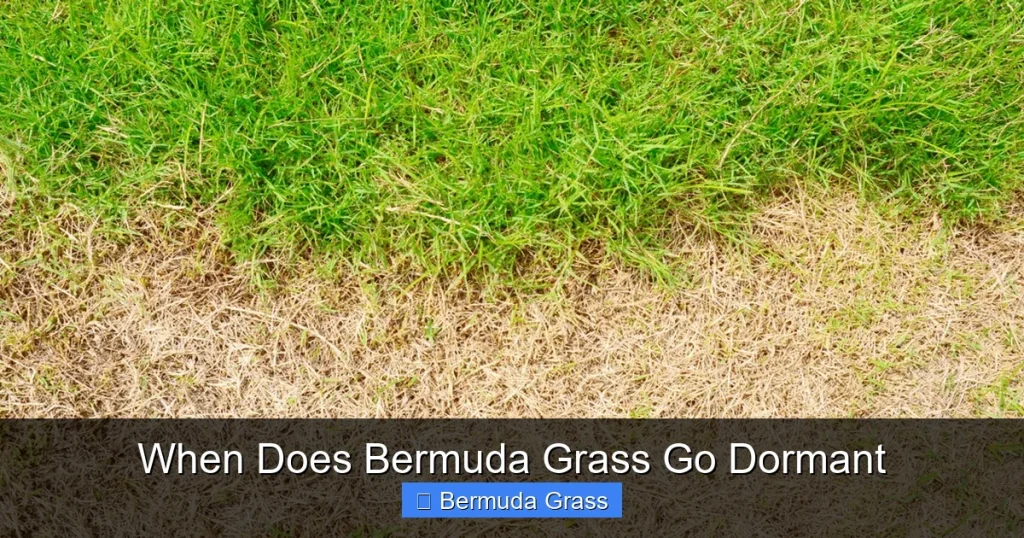
Understanding when Bermuda grass goes dormant is key to maintaining a healthy lawn. This warm-season grass enters dormancy, turning brown, when soil temperatures consistently drop below 50-55°F, typically in late fall or early winter, as a survival mechanism against cold. Proactive fall care, minimal winter intervention, and proper spring awakening strategies ensure your Bermuda grass thrives year after year.
When Does Bermuda Grass Go Dormant?
Welcome to your comprehensive guide on Bermuda grass dormancy! If you’ve ever wondered why your lush green lawn turns a golden brown (or even straw-like) as temperatures drop, you’re not alone. Bermuda grass, a beloved warm-season turfgrass known for its heat tolerance and vigorous growth, has a built-in survival mechanism: dormancy. Understanding when and why your Bermuda grass goes dormant, and how to care for it during this period, is crucial for a vibrant, healthy lawn come spring.
In this guide, we’ll walk you through everything you need to know. We’ll explore the precise triggers that tell your Bermuda grass it’s time to take a winter nap, how to prepare your lawn for this transition, what to do (or not do) while it’s dormant, and how to help it wake up green and strong in the spring. By the end, you’ll be an expert on Bermuda grass dormancy, ready to tackle the seasons with confidence.
Key Takeaways
- Temperature is Key: Bermuda grass primarily goes dormant when soil temperatures consistently fall below 50-55°F (10-13°C), typically in late fall or early winter, and wakes up when temperatures consistently rise above 65°F (18°C) in spring.
- Dormancy is Normal: A brown, straw-like appearance during dormancy is a natural survival mechanism, not a sign of a dead lawn. The grass crown and roots remain alive, awaiting warmer weather.
- Prepare in Fall: Adjust mowing height slightly higher, apply a fall fertilizer rich in potassium to boost winter hardiness, and continue light watering until the ground freezes to help your Bermuda grass go dormant successfully.
- Minimal Winter Care: During dormancy, avoid heavy foot traffic, and only provide infrequent, light watering during extended dry periods to prevent desiccation. Aggressive interventions are unnecessary and can be harmful.
- Spring Revival: As temperatures warm in spring, scalping (if necessary), applying a nitrogen-rich fertilizer, and gradually increasing watering will encourage your Bermuda grass to break dormancy and return to its vibrant green.
- Regional Variation: The exact timing of when Bermuda grass goes dormant and wakes up varies significantly based on your specific climate zone, local weather patterns, and the severity of winter.
Understanding Bermuda Grass Dormancy
First things first: what exactly is dormancy? And why does Bermuda grass do it?
What is Dormancy?
Dormancy is a natural survival strategy employed by many plants, including warm-season grasses like Bermuda. Think of it as a deep sleep or hibernation for your lawn. When environmental conditions become unfavorable for active growth – primarily cold temperatures – the grass conserves energy by ceasing top growth, reducing metabolic activity, and drawing nutrients into its root system and crown (the base of the plant). While the blades turn brown and may appear dead, the vital parts beneath the soil surface are very much alive, simply resting.
Why Does Bermuda Grass Go Dormant?
Bermuda grass is a warm-season grass, meaning it thrives in hot temperatures (ideally 80-95°F or 27-35°C). It needs warmth, plenty of sunshine, and consistent moisture to look its best. When these conditions are no longer met, especially when temperatures consistently drop, its survival instincts kick in. The primary reason Bermuda grass goes dormant is to protect itself from the damaging effects of cold weather and potential frost. By entering dormancy, it avoids cellular damage that freezing temperatures could inflict on actively growing tissue, ensuring it can bounce back vigorously when warmth returns.
What Does Dormant Bermuda Grass Look Like?
A dormant Bermuda grass lawn is unmistakable. Its vibrant green color fades to a golden tan, straw yellow, or even a grayish-brown. The blades will feel dry and brittle to the touch. It might look “dead” to the untrained eye, but resist the urge to panic! This color change is entirely normal and a sign that your Bermuda grass is doing exactly what it’s supposed to do to survive the winter. Beneath that seemingly lifeless surface, the roots and crowns are patiently waiting for spring.
Key Factors Triggering When Bermuda Grass Goes Dormant
While we often associate dormancy with “winter,” it’s not simply the arrival of a new season that triggers it. Specific environmental cues tell your Bermuda grass when to shut down for its long nap.
Temperature: The Primary Driver
The most significant factor determining when Bermuda grass goes dormant is temperature, specifically soil temperature. Air temperature plays a role, but it’s the consistent coldness of the soil that truly signals the change. Your Bermuda grass will begin its transition into dormancy when soil temperatures consistently drop below 55°F (13°C). Once soil temperatures consistently stay below 50°F (10°C), the grass will be fully dormant. This typically means overnight air temperatures dipping into the 40s°F (4-9°C) and daytime temperatures staying cool, often in the 50s or low 60s°F (10-17°C).

Visual guide about When Does Bermuda Grass Go Dormant
Image source: yardandgardenguru.com
- Gradual Transition: It’s not an overnight switch. As temperatures gradually fall in late autumn, you’ll first notice the growth slowing, then a slight yellowing, before the full browning sets in.
- Location Matters: In northern regions of the Bermuda grass growing zone, this might happen in late October or early November. In more southern areas, it might not occur until December or even January.
Daylight Hours: A Supporting Cue
While temperature is the primary trigger, decreasing daylight hours also play a role. As autumn progresses, the days get shorter and the sun sits lower in the sky, reducing light intensity. These changes in photoperiod act as a secondary signal, reinforcing to the Bermuda grass that winter is approaching and it’s time to prepare for dormancy.
Moisture (or Lack Thereof): Drought-Induced Dormancy
It’s important to note that Bermuda grass can also enter a form of dormancy during severe drought conditions, even in the middle of summer. This is a survival mechanism against lack of water, rather than cold. While the grass will also turn brown, it’s a different trigger and usually resolves quickly with adequate rainfall or irrigation. When we talk about “winter dormancy,” we’re specifically referring to the cold-induced state.
Predicting Dormancy in Your Region
Knowing when Bermuda grass goes dormant requires a little local knowledge.
USDA Hardiness Zones and Climate
Bermuda grass thrives in USDA Plant Hardiness Zones 7-10, though some cold-tolerant varieties can push into Zone 6. The zone you live in will largely dictate the timing.
- Northern Zones (7a/7b): Expect dormancy to set in earlier, typically late October to mid-November.
- Transition Zones (8a/8b): Mid-November to early December is common.
- Southern Zones (9a and warmer): Bermuda grass might go dormant much later, in December or January, and in some very mild climates, it might not fully go dormant at all, simply slowing growth significantly.
Local Weather Patterns and First Frost Dates
Pay attention to your local weather forecast, especially the predicted first hard frost or freeze. While a single frost won’t instantly put your entire lawn to sleep, it’s a strong indicator that sustained cold temperatures are on their way, and your Bermuda grass will begin its dormancy transition soon after.
Microclimates in Your Yard
Even within your own lawn, you might notice variations. Areas that receive more shade, are lower in elevation, or are more exposed to cold winds might see their Bermuda grass go dormant earlier than sunnier, more protected spots.
Preparing Your Lawn for Dormancy (Late Summer/Early Fall)
Proactive care in the late summer and early fall can significantly impact how well your Bermuda grass survives dormancy and how quickly it revives in spring. This is when you help your Bermuda grass go dormant gracefully.
Adjusting Mowing Height
As temperatures begin to drop and growth slows (usually late September to mid-October), gradually raise your mowing height.
- Recommended Action: For the last few mows of the season, aim for a height of about 1.5 to 2 inches. This slightly taller blade height allows the grass to store more energy in its leaves and provides a bit of insulation for the crowns during winter.
- Avoid Scalping: Do not scalp your lawn going into dormancy, as this can stress the grass and make it more vulnerable to winter damage.
Fall Fertilization: Potassium Focus
This is one of the most critical steps. A proper fall fertilizer application strengthens the root system and improves winter hardiness, preparing your Bermuda grass for the cold.
- Timing: Apply a winterizer fertilizer around 4-6 weeks before the first expected hard frost, typically late September to early November depending on your region.
- Nutrient Focus: Look for a fertilizer with a higher potassium (K) content (the third number in the N-P-K ratio). Potassium helps with cold tolerance and root development. A common ratio might be 5-10-20 or 0-0-20. Avoid high nitrogen (N) fertilizers at this time, as they promote tender top growth that is susceptible to frost damage.
- Application: Follow product instructions carefully for application rates.
Watering: Reduce Frequency, But Don’t Stop
As the weather cools, your Bermuda grass needs less water, but it’s still essential to keep the soil adequately moist.
- Gradual Reduction: Gradually reduce your watering frequency as fall progresses. Instead of watering 2-3 times a week, you might scale back to once a week, ensuring the grass gets about 1 inch of water.
- Pre-Dormancy Moisture: Ensure the lawn is well-hydrated going into dormancy. A good, deep watering just before temperatures consistently dip into the dormancy range is beneficial, as it can help retain moisture in the soil through early winter.
- Stop When Ground Freezes: Once the ground is frozen solid, cease watering entirely.
Weed Control: Pre-Emergents
Fall is an excellent time to apply a pre-emergent herbicide to prevent cool-season weeds (like poa annua, chickweed, and henbit) from sprouting during the winter while your Bermuda grass is dormant.
- Timing: Apply when soil temperatures drop below 70°F (21°C) but before they reach 55°F (13°C). This usually falls in early to mid-fall.
- Product Choice: Choose a pre-emergent labeled for use on Bermuda grass.
Aeration (If Needed)
If your soil is compacted, fall is a great time to aerate. This improves air and water penetration, which can help roots strengthen before winter. Ensure you do this well before the grass is fully dormant to allow it time to recover.
Caring for Dormant Bermuda Grass (Winter)
Once your Bermuda grass has gone dormant, your job becomes much simpler. The key here is “minimal intervention.”
Minimal Traffic: Protect the Crowns
Dormant Bermuda grass is more fragile than active grass.
- Limit Foot Traffic: Try to keep foot traffic, vehicles, and heavy equipment off the dormant lawn as much as possible. The grass crowns are still alive, but they are more susceptible to damage and compaction when dormant.
- Avoid Ruts: Heavy loads or repeated pressure can compact the soil and create ruts that will be difficult to repair in spring.
Watering: Infrequent, Light Watering During Dry Spells
Even though it’s dormant, your Bermuda grass can still suffer from desiccation (drying out) during prolonged dry periods, especially if there’s no snow cover.
- Check Conditions: If you experience an extended period (2-3 weeks or more) without rain or snow, and the ground isn’t frozen, a light watering can be beneficial.
- Timing and Amount: Water sparingly, just enough to moisten the top few inches of soil. Do this on a warmer day when temperatures are above freezing to prevent ice formation. Avoid overwatering.
Weed Management
Cool-season weeds can thrive while your Bermuda grass is dormant.
- Spot Treat: If you see weeds popping up, spot-treat them with a post-emergent herbicide labeled safe for dormant Bermuda grass, or simply pull them by hand. Be cautious with herbicides, as some can damage dormant turf.
Overseeding (Optional): Ryegrass for Winter Color
Some homeowners choose to overseed their dormant Bermuda grass with a cool-season annual ryegrass for a temporary green lawn during winter.
- Pros: Provides green color, helps control winter weeds, and can reduce mud.
- Cons: Requires continued mowing and watering throughout winter, the ryegrass can compete with the Bermuda grass for nutrients and light in spring, potentially delaying Bermuda’s spring green-up. If you choose to overseed, do so after your Bermuda grass goes dormant.
Waking Up from Dormancy (Spring)
Just as there’s a trigger for when Bermuda grass goes dormant, there’s one for its awakening.
When Does it Wake Up?
Bermuda grass begins to break dormancy and green up when soil temperatures consistently rise above 60-65°F (16-18°C). This typically happens in late March, April, or early May, depending on your region and the specific spring weather patterns. You’ll see the first signs of green as daytime temperatures consistently reach the high 60s and 70s°F (20-25°C).
Signs of Awakening
The first sign your Bermuda grass is waking up is usually small, vibrant green shoots emerging from the crowns. These will often appear unevenly at first, with sunnier, warmer spots greening up before shadier areas.
First Spring Care Steps:
- Scalping (If Overseeded or Thick Thatch): If you overseeded with ryegrass, or if you have a lot of dead leaf material (thatch) from winter, you might consider scalping your lawn. This involves mowing at the lowest possible setting to remove the dormant brown material and any remaining ryegrass. This allows sunlight to penetrate the soil and warm it, encouraging faster Bermuda grass green-up. Do this once, early in spring, when new growth is just beginning.
- Spring Fertilization (Nitrogen Focus): Once your Bermuda grass shows significant signs of greening (about 50% green), it’s time for its first spring feeding. Use a balanced fertilizer with a higher nitrogen (N) content (e.g., 20-5-10 or similar) to encourage vigorous leaf growth. Follow product instructions carefully.
- Watering (Increase as Temperatures Rise): As your Bermuda grass greens up and temperatures rise, gradually increase your watering frequency to promote active growth. Aim for about 1 inch of water per week, either from rainfall or irrigation.
- Mowing (Return to Regular Height): Once your lawn is actively growing and mostly green, you can resume your regular mowing schedule and height (typically 0.75 to 1.5 inches for Bermuda, depending on variety and desired aesthetic).
Troubleshooting Dormancy-Related Issues
While Bermuda grass dormancy is a natural process, sometimes things don’t go exactly as expected.
Uneven Dormancy or Green-Up
You might notice patches of your lawn going dormant earlier or staying brown longer.
- Causes: This can be due to microclimates (shadier areas, lower spots), compacted soil, uneven nutrient distribution, or varying soil moisture.
- Solution: Address these underlying issues. Consider aerating compacted areas, ensuring even irrigation, and performing soil tests to correct nutrient deficiencies.
Premature Dormancy (Summer Browning)
If your Bermuda grass turns brown in the middle of summer, it’s not winter dormancy.
- Causes: This is almost always drought-induced dormancy due to lack of water, or it could be a sign of disease (like dollar spot or brown patch) or a severe nutrient deficiency.
- Solution: Increase irrigation frequency and depth. If watering doesn’t help, investigate for signs of disease (fungal spots, irregular patterns) or perform a soil test.
Delayed Awakening
If your neighbors’ Bermuda grass is greening up, but yours is still brown, don’t panic immediately.
- Causes: Persistent cool spring temperatures, excessive thatch layer blocking sun from the soil, inadequate spring fertilization, or severe winter stress (like winterkill in extremely cold regions).
- Solution: Be patient if temperatures are still low. Consider scalping if thatch is an issue. Ensure proper spring fertilization. If areas remain bare and dead, reseeding or sodding might be necessary.
Winterkill
While Bermuda grass is generally hardy, in very severe winters, especially in the colder parts of its growing range (Zone 7), it can experience winterkill.
- Causes: Prolonged periods of extreme cold, often combined with freezing rain or ice cover, can damage the grass crowns and roots.
- Signs: Patches of the lawn will remain completely brown and lifeless even after temperatures have warmed and surrounding areas have greened up. You can test by pulling on a brown blade; if it comes out easily and the crown is mushy, it’s likely dead.
- Solution: Unfortunately, there’s no recovery from winterkill. These areas will need to be reseeded, sprigged, or sodded in the spring.
Conclusion
Understanding when Bermuda grass goes dormant is a fundamental part of maintaining a beautiful and resilient lawn. It’s not a flaw, but a clever survival strategy that ensures this tenacious warm-season grass can bounce back year after year. By recognizing the temperature cues, implementing proper fall preparation, offering minimal care during its winter slumber, and providing the right encouragement in spring, you’re not just watching your lawn change color – you’re actively participating in its natural cycle. Embrace the brown, trust the process, and look forward to another season of vibrant green Bermuda grass. Your lawn will thank you for it!