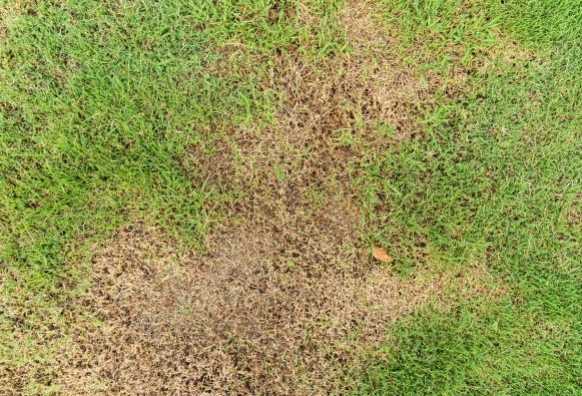
Fungus in Bermuda grass often appears as unsightly patches or spots that can quickly ruin the yard’s lush appearance. These fungi can cause discoloration, thinning, or even dead patches, making your lawn look unhealthy and neglected. Recognizing the signs early is crucial for effective treatment and keeping your grass vibrant. Fungus in Bermuda grass typically shows up as fuzzy or mold-like growths, often in shades of brown, black, or white, and is frequently accompanied by a slimy or powdery surface. Understanding what to look for can help you catch the problem before it spreads widely. Keeping your lawn healthy through proper watering, mowing, and fertilization is key to preventing fungal issues from taking hold. If you notice suspicious spots, quick action can restore your Bermuda grass to its former glory.

What does fungus in bermuda grass look like?
Fungus in bermuda grass can sometimes be tricky to spot because it often starts small and spreads gradually. Recognizing the signs early can prevent serious damage to your lawn. Different types of fungi create distinct appearances, so knowing what to look for is essential.
Common visual signs of fungal infection in bermuda grass
One of the most noticeable signs of fungus is the appearance of patches or spots on your lawn. These patches may be irregular in shape and vary in size. The patches often look different from healthy bermuda grass because of color changes or texture differences.
Discoloration and patchy areas
Infected bermuda grass often shows yellowing, browning, or grayish patches. These areas may be soft and soggy or feel different from the surrounding grass. The color change is usually one of the first signs that fungi are affecting your lawn.
Texture changes in the grass
Fungus can cause the grass to become spongy, slimy, or oily to the touch. Some fungi form a fuzzy or moldy layer over the grass, making it look unkempt and unhealthy. Texture differences are often more evident after rainfall or watering.
Fungal Structures and Growth Features
Fungi produce visible structures that can help in identification. These structures appear in various forms, depending on the specific fungus. Recognizing these features can confirm the presence of a fungal infection.
Mycelium or mold
Many fungi develop a white, gray, or black mycelium that looks like cotton or mold. You might notice this as a fuzzy layer on the grass, especially in moist conditions. It often appears in patches alongside other signs of infection.
Fruitings bodies and spores
Some fungi produce small, spore-producing structures called fruiting bodies. These may look like tiny mushrooms, puffballs, or spore masses on the grass surface. They are typically soft or velvety and are a clear marker of fungal activity.
Types of fungi affecting bermuda grass
Knowing the common fungi helps you better identify the problem. Below are some fungi frequently seen in bermuda grass lawns.
Brown Patch Disease
This is a common fungal disease in bermuda grass. It shows as large, round, or irregular brown patches. The edges of the patches are often darker or fuzzy, indicating active fungal growth.
Gray Leaf Spot
Gray Leaf Spot appears as small, rectangular or oval gray or tan spots with darker borders. These spots can coalesce, forming larger patches. You might see straw-colored or yellowish grass surrounding the infection.
Dollar Spot
Named after the small, round spots that resemble silver dollars. These spots are typically light tan or straw-colored in the center, with a distinct dark border. They tend to be less than a few inches in diameter.
Powdery Mildew
This fungal disease creates a white powdery coating on the leaf blades. It looks like someone sprinkled flour over the grass, especially in shady or humid areas. Although it mainly affects the leaves, it can weaken the entire plant.
Symptoms Differ Depending on the Fungal Type
Each fungus has specific signs. Recognizing these symptoms helps identify the disease accurately and enables timely treatment.
Signs of Brown Patch
- Large brown patches with distinct borders
- Fuzzy, darker edges at the patch perimeter
- Wilted or collapsed grass blades within the patches
Signs of Gray Leaf Spot
- Small gray or tan rectangular spots on leaves
- Yellow halos around spots
- Premature leaf death causing thinning turf
Signs of Dollar Spot
- Small, circular, tan or straw-colored spots
- Possible progression into larger patches if untreated
- Presence of fine, white mycelium in early stages
Signs of Powdery Mildew
- White, powdery coating on grass blades
- Yellowing or browning beneath the powder
- Most common in shaded, humid areas
Environmental Factors Influencing Fungal Appearance
Climate and turf management play a significant role in fungal growth. High humidity, excessive watering, and poor drainage promote fungi development. Warm temperatures also create ideal conditions for many bermuda grass fungi.
Humidity and moisture
Fungi thrive when the grass stays wet for extended periods. Overwatering or frequent rain provides a perfect environment for fungal spores to grow and spread.
Temperature
Most bermuda grass fungi are active in temperatures between 75°F and 85°F. Warmer weather encourages rapid fungal growth and increases the severity of infections.
Soil and turf conditions
Compacted soil, thatch buildup, and poor air circulation create stress in bermuda grass. These conditions weaken the grass and make it more vulnerable to fungi, causing more noticeable symptoms.
How to Confirm Fungus Presence
While visual signs are helpful, laboratory testing or consultation with lawn care experts can confirm the specific type of fungus. Collecting sample patches and inspecting them under a magnifying glass can also reveal fungal structures.
Collecting a sample
- Use a clean knife or spade to cut a section from an affected area
- Place the sample in a plastic bag for inspection
- Look for fuzzy growths, spore masses, or discolored tissue
Consultation and professional testing
Lawn specialists can perform laboratory tests to identify fungi accurately. Proper diagnosis ensures the most effective treatment plan for your bermuda grass.
Summary of Key Visual Indicators
| Sign | Description | Typical Fungal Type |
|---|---|---|
| Discolored patches | Yellow, brown, or gray areas in the grass | Brown Patch, Gray Leaf Spot, Dollar Spot |
| Texture changes | Soggy, spongy, fuzzy, or moldy patches | Powdery Mildew, various fungi |
| Fungal structures | Fuzzy mold, spore masses, tiny mushrooms | Most fungal species |
| Spots on blades | Rectangular, round, or irregular spots | Gray Leaf Spot, Dollar Spot |
Understanding what fungus in bermuda grass looks like is crucial for early detection and treatment. The visual clues—patches, textures, fungal structures, and spots—allow homeowners and lawn care professionals to take swift action and keep bermuda grass healthy and vibrant. Keep a keen eye on your lawn, especially during humid and warm seasons, to catch these signs early and prevent widespread damage.
How to Prevent and Treat Lawn Fungus – Lawn Disease Control
Frequently Asked Questions
What are the common visual signs of fungal infections in Bermuda grass?
Fungal infections in Bermuda grass often cause patches of discolored, thinning, or dying grass. You may notice areas with irregular shapes, where the grass appears dull or has a powdery, fuzzy surface. Sometimes, small black or brown spots, mold-like growths, or web-like filaments might develop on the grass blades or thatch layer. These symptoms indicate the presence of fungi affecting the health and appearance of your lawn.
How can one identify the specific fungal disease affecting Bermuda grass?
Identifying the exact disease involves observing specific symptoms such as the pattern of damage, coloration, and growth forms. For example, dollar spot causes small, round, white spots that expand and merge, while brown patch results in large, irregular brown areas with a darker edge. Patch diseases often produce fuzzy, mold-like growths during cooler, humid months. A close examination of the grass, along with consulting lawn care resources or professionals, helps determine which fungus is causing the problem.
What distinguishes fungal damage from other lawn problems in Bermuda grass?
Fungal damage usually appears as distinct patches of dead or discolored grass with a characteristic texture, such as fuzzy or powdery surfaces. Unlike damage from insects or drought, fungal infections tend to show specific patterns like round spots or irregular patches, often expanding over time. Additionally, the presence of mold, spores, or web-like structures in these areas indicates a fungal issue, differentiating it from other stress factors or pests.
Are there particular features on the grass blades that suggest fungus presence?
Yes, blades affected by fungi often show symptoms such as dark, powdery spots, lesions, or streaks. Some fungi cause the blades to develop a blighted or rotted appearance, with fibers that look slimy or have a fuzzy surface. You might also notice the formation of fruiting bodies or spore-producing structures on the grass blades or thatch, which are clear signs of fungal activity.
What does the progression of fungal infection look like on Bermuda grass over time?
Initially, fungal infections cause small, localized spots or patches. If unchecked, these areas expand and may coalesce into larger dead zones. Over time, the affected grass becomes increasingly sparse, with signs of decay and mold growth becoming more prominent. During humid conditions, the infection can spread rapidly, threatening the overall health of your lawn if not treated promptly.
Final Thoughts
Fungus in Bermuda grass often appears as discolored patches or spots. These areas may be yellow, brown, or black, and can feel soft or slimy to the touch.
Fungal growth may also produce fuzzy or cotton-like textures on the grass surface. Sometimes, you notice a powdery or moldy coating that spreads quickly.
What does fungus in Bermuda grass look like? It typically manifests as irregular patches with distinct borders, sometimes accompanied by dead or thinning grass. Recognizing these signs enables prompt action and effective treatment.