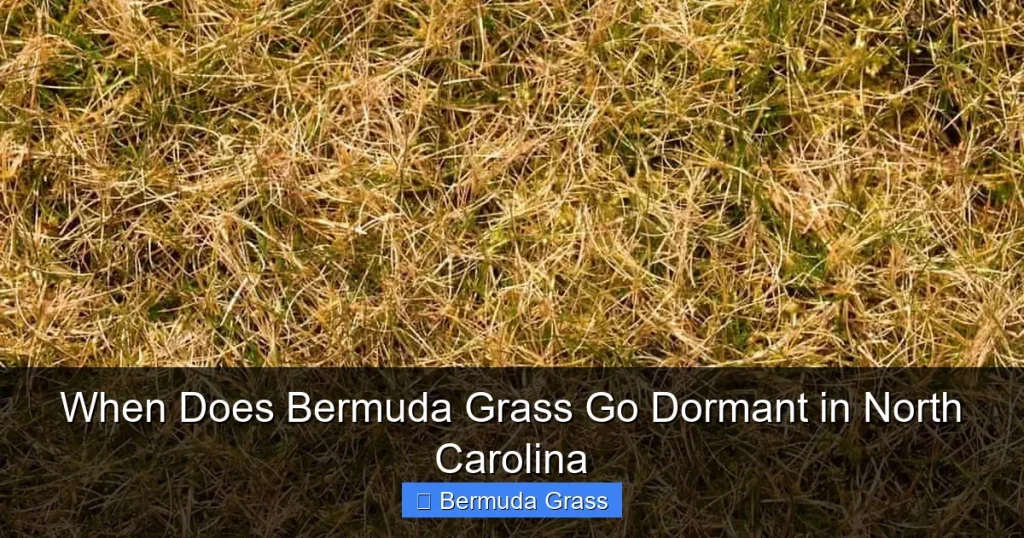
Understanding when Bermuda grass goes dormant in North Carolina is crucial for a healthy lawn. Generally, this warm-season grass enters dormancy from late October to early November as soil temperatures consistently drop below 55°F, triggered by colder nights and shorter days. It will remain in its characteristic golden-brown state throughout winter, typically recovering and greening up in mid-to-late spring once warmer temperatures return.
Welcome, North Carolina lawn enthusiasts! If you have a beautiful Bermuda grass lawn, you know its vibrant green hue is a source of pride throughout the warmer months. But as autumn approaches and the air gets crisp, you might start wondering, “When does Bermuda grass go dormant in North Carolina?” It’s a fantastic question, and understanding this natural cycle is key to maintaining a healthy, resilient lawn year after year.
This comprehensive guide will walk you through everything you need to know about Bermuda grass dormancy in North Carolina. We’ll explore the specific environmental triggers, the typical timeline you can expect across different regions of our diverse state, what a dormant lawn looks like, and crucially, how you can prepare and manage your lawn to ensure it emerges vibrant and healthy when spring returns. Let’s dive in!
Key Takeaways
- Timing is Temperature-Driven: Bermuda grass dormancy in North Carolina is primarily triggered when soil temperatures consistently fall below 55°F, typically occurring from late October to early November.
- Primary Triggers: Shorter daylight hours, cooler air temperatures, and particularly colder soil temperatures are the main environmental cues signaling Bermuda grass to enter dormancy.
- Appearance of Dormancy: A dormant Bermuda grass lawn will transform from vibrant green to a uniform golden-brown or straw-like color, indicating it’s conserving energy for winter survival.
- Geographic Variations: Expect earlier dormancy in the colder mountain regions of North Carolina (early October) and slightly later dormancy in the warmer coastal plains (mid-November), with the Piedmont falling in between.
- Winter Survival Strategy: Dormancy is a natural and healthy survival mechanism, allowing the grass to withstand freezing temperatures and adverse winter conditions.
- Preparation is Key: Proper lawn care in late summer and early fall, including appropriate fertilization and mowing, helps your Bermuda grass build reserves for a strong dormancy and successful spring green-up.
- Spring Recovery: Bermuda grass typically begins to green up in North Carolina from mid-April to early May, once soil temperatures consistently rise above 60-65°F.
Understanding Bermuda Grass Dormancy
Bermuda grass (Cynodon dactylon) is a warm-season turfgrass, meaning it thrives in hot temperatures and bright sunshine. Unlike cool-season grasses that stay green all winter, warm-season varieties like Bermuda grass have evolved a clever survival strategy: dormancy.
When conditions become unfavorable—primarily cold—Bermuda grass doesn’t die. Instead, it enters a state of suspended animation. The grass stops growing, its metabolic processes slow down dramatically, and it draws nutrients down into its root system. This allows it to conserve energy and protect itself from freezing temperatures and harsh winter weather. Think of it as your lawn taking a long, well-deserved nap!
Why Dormancy is Essential for Bermuda Grass
Dormancy is not a sign of a sick lawn; it’s a perfectly natural and healthy part of the life cycle for Bermuda grass in North Carolina’s climate. Without this ability to go dormant, Bermuda grass would suffer severe damage or even die during freezing winter conditions. By entering dormancy, your lawn is building up resilience, ensuring it has the energy reserves needed to bounce back vigorously when warmer temperatures return in the spring.
The Primary Triggers for Dormancy in North Carolina
Several environmental factors work together to signal to your Bermuda grass that it’s time to go dormant. While the exact day can vary from year to year, these are the primary cues:
Cooling Soil Temperatures
This is the single most important trigger. Bermuda grass begins to slow its growth when soil temperatures consistently drop below 60°F (15°C) and fully enters dormancy when they fall below 55°F (13°C). In North Carolina, these temperatures are typically reached in late fall. Since the soil takes longer to cool down than the air, there might be a lag between your first chilly night and the onset of full dormancy.
Shorter Daylight Hours
As autumn progresses, the days become noticeably shorter. Less sunlight means less energy for photosynthesis, signaling to the grass that the growing season is winding down. This reduction in light intensity and duration plays a significant role in preparing the grass for dormancy, even before freezing temperatures arrive.
Cooler Air Temperatures and Frost
Consistent cool air temperatures, especially those dipping into the 40s and 30s Fahrenheit overnight, further reinforce the signal for dormancy. The first hard frost (temperatures at or below 32°F / 0°C) will often accelerate the browning process, as the frost damages the above-ground leaf tissue, prompting the plant to shut down for winter.
Reduced Soil Moisture
While not a direct trigger in the same way as temperature, naturally decreasing rainfall in the fall combined with lower temperatures can contribute to the grass preparing for dormancy. Less active growth means the grass requires less water, and it becomes more tolerant of drier conditions.
Seasonal Timeline: When to Expect Dormancy
Pinpointing an exact date for when Bermuda grass goes dormant in North Carolina can be tricky, as it depends on the year’s specific weather patterns. However, we can provide a general timeline:
Late September to Early October: Slowdown Begins
You might notice your Bermuda grass growth starting to slow down. It won’t need mowing as frequently, and its vibrant green might become a slightly duller shade. This is the initial response to shorter days and cooler nights.
Mid-October to Early November: Onset of Dormancy
This is the critical window for most of North Carolina. As soil temperatures consistently fall below 55°F and the first frosts become more common, your Bermuda grass will rapidly begin to lose its green color. You’ll observe patches turning golden, then spreading across the entire lawn.
Late November and December: Full Dormancy
By late November, and certainly by December, your entire Bermuda grass lawn should be in a state of full dormancy, displaying a uniform golden-brown or straw-like appearance. It will remain in this state throughout the coldest months of winter.
Spring Transition: Waking Up
Bermuda grass won’t green up overnight. It typically starts to show signs of life when soil temperatures consistently rise above 60-65°F (15-18°C) in the spring. In North Carolina, this usually occurs from mid-April to early May, depending on the region and the spring’s warmth. The grass will gradually transition from brown to light green, eventually regaining its full summer vibrancy.
Geographic Variations Across North Carolina
North Carolina is a state with diverse climates, ranging from the mountains to the coast. This means the timing of Bermuda grass dormancy can vary slightly depending on your specific location:
Western North Carolina (Mountains)
Areas like Asheville, Boone, and Hendersonville experience colder temperatures earlier in the fall. Therefore, Bermuda grass in the mountain region will typically go dormant earliest, often starting in **early to mid-October**. The winter dormancy period will also be longer here.
Central North Carolina (Piedmont)
Cities such as Charlotte, Raleigh, Greensboro, and Winston-Salem fall into the Piedmont region. This area experiences a moderate climate, meaning Bermuda grass dormancy usually sets in from **late October to early November**. This is the most common timeline for a large portion of the state.
Eastern North Carolina (Coastal Plain)
The coastal plain, including areas like Wilmington, Greenville, and Fayetteville, generally has milder fall and winter temperatures. Consequently, Bermuda grass here might hold onto its green color slightly longer, sometimes not entering full dormancy until **mid-to-late November**. Its dormancy period will also likely be shorter than in the mountains.
What Dormant Bermuda Grass Looks Like
When your Bermuda grass goes dormant, its appearance will change significantly. Here’s what to expect:
Color Transformation
The most noticeable change is the color. Your vibrant green lawn will gradually turn a uniform golden-brown, tan, or straw-like color. This is perfectly normal and indicates that the chlorophyll (the green pigment responsible for photosynthesis) has broken down, and the plant has redirected its energy to the roots.
Texture and Growth Halt
The grass blades will become drier and less pliable. Crucially, all vertical growth will stop. You won’t need to mow a dormant lawn, as there’s nothing to cut. The lawn will feel crisp underfoot, especially after a frost.
Don’t Confuse with Dead Grass
It’s important not to confuse dormancy with dead grass. Dead grass often appears patchy, has a greyish or brittle appearance, and won’t show any signs of life when pulled. Dormant Bermuda grass, while brown, will still have a healthy crown and root system intact, ready to spring back to life.
Preparing Your Lawn for Dormancy
While dormancy is natural, you can help your Bermuda grass enter this state in the best possible condition, ensuring a stronger comeback in the spring.
Step 1: Continue Mowing Correctly
In late summer and early fall, continue to mow your Bermuda grass at its recommended height (usually 1 to 2 inches). As growth slows in October, you can gradually lower the mowing height slightly (to about 1 inch) on the last few cuts of the season. This helps prevent fungal diseases over winter and allows more sunlight to reach the soil in early spring, aiding in faster green-up. Stop mowing altogether once growth has ceased and the grass is fully dormant.
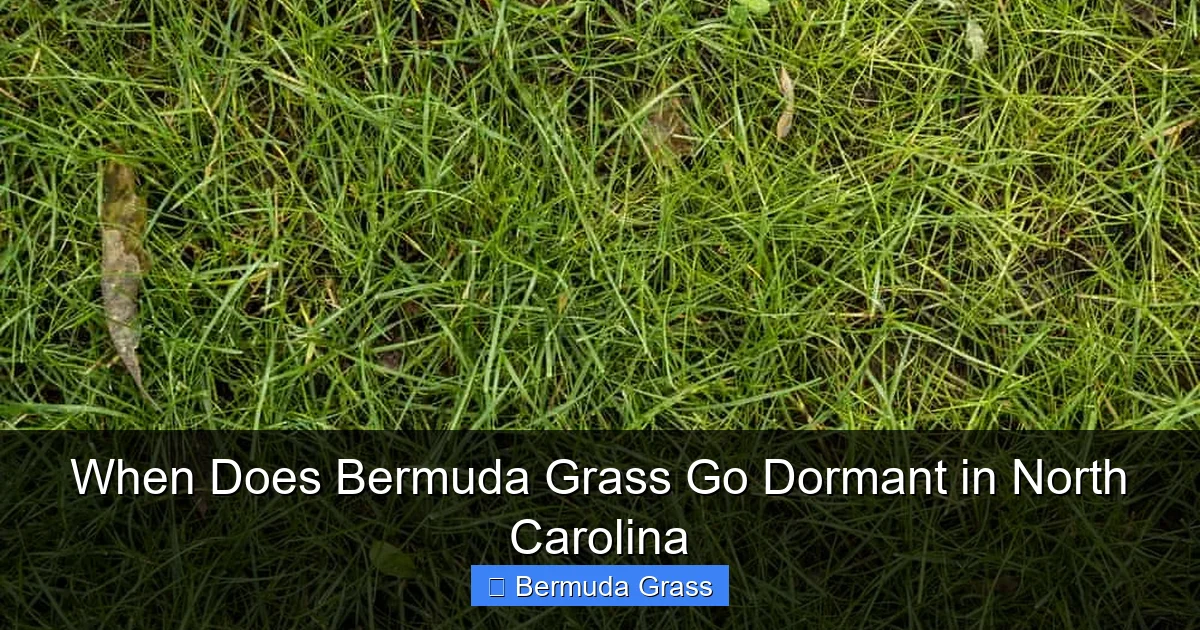
Visual guide about When Does Bermuda Grass Go Dormant in North Carolina
Image source: obsessedlawn.com
Step 2: Apply a “Winterizer” Fertilizer
Around 4-6 weeks before the expected onset of dormancy (typically late September to mid-October in NC), apply a “winterizer” fertilizer. These fertilizers are usually higher in potassium (K) and sometimes phosphorus (P), which help strengthen the grass’s root system and improve its cold hardiness. Avoid high-nitrogen fertilizers at this time, as they encourage new growth that would be vulnerable to winter damage. A soil test beforehand can confirm your lawn’s specific nutrient needs.
Step 3: Keep Watering Until Dormant
Even as temperatures drop, it’s important to continue watering your Bermuda grass until it is fully dormant. While its water needs decrease significantly, the grass still needs adequate moisture to process nutrients and store reserves in its roots. Reduce frequency but ensure the soil receives about 1 inch of water per week (from rain or irrigation) until the ground is consistently cold or frozen.
Step 4: Address Weeds
Fall is an excellent time to apply pre-emergent herbicides to control cool-season weeds that might try to sprout in your dormant Bermuda grass. A healthy, dense dormant lawn also naturally helps suppress weeds. Consult local extension office guidelines for specific timing and product recommendations.
Step 5: Dethatch or Aerate (If Needed)
If your Bermuda grass has a thick layer of thatch (over half an inch) or compacted soil, late summer or early fall is a good time for dethatching or aeration. This improves air, water, and nutrient penetration to the root zone, strengthening the grass for dormancy. Ensure there’s enough time for the grass to recover before cold temperatures set in.
Managing Your Dormant Bermuda Lawn
Once your Bermuda grass is fully dormant, your lawn care tasks change considerably.
Minimal Watering
Dormant Bermuda grass needs very little water. During North Carolina winters, natural rainfall is usually sufficient. However, if you experience a prolonged dry spell (several weeks without rain or snow) with mild temperatures, a light watering once every 3-4 weeks can be beneficial to prevent extreme desiccation, especially for newly established lawns.
Stay Off the Grass (Mostly)
Avoid heavy foot traffic or driving vehicles on your dormant lawn, especially when the ground is frozen. The brittle, dormant blades are more susceptible to breaking and damage, which can create unsightly tracks or areas that are slower to recover in the spring.
Weed Control
Cool-season weeds can be a problem in dormant Bermuda grass. You can manually pull them or use appropriate selective post-emergent herbicides specifically labeled for dormant warm-season grasses. Always read product labels carefully to ensure they won’t harm your dormant Bermuda grass.
Consider Winter Overseeding (Optional)
Some homeowners choose to overseed their dormant Bermuda grass with a cool-season annual ryegrass to maintain a green lawn throughout the winter. While this provides a green appearance, it’s important to note that the ryegrass can compete with the Bermuda grass for nutrients and water in the spring, potentially delaying Bermuda’s green-up. If you choose to overseed, do so in late September to early October before Bermuda grass is fully dormant.
Waking Up from Dormancy: Spring Transition
The most exciting part is when your Bermuda grass starts to wake up!
Timing of Green-Up
In North Carolina, Bermuda grass typically begins to green up from mid-April to early May, once soil temperatures consistently rise above 60-65°F. You’ll first notice a light green tinge at the base of the blades, which will gradually spread as the days get warmer and longer.
Spring Lawn Care
Once your Bermuda grass shows signs of green-up:
- Scalping: Many homeowners “scalp” their Bermuda grass as it begins to green up, meaning they mow it at the lowest possible setting. This removes dead winter growth, promotes faster green-up, and helps sunlight penetrate to the soil. Be sure to bag the clippings.
- Fertilization: Apply a balanced fertilizer (or one higher in nitrogen) once your Bermuda grass is actively growing and about 50% green. A soil test will guide the best application.
- Weed Control: Apply a pre-emergent herbicide in early spring (when soil temps are consistently 55°F) to prevent summer annual weeds.
- Watering: Gradually increase watering frequency as the grass actively grows, aiming for 1 inch per week.
Troubleshooting: Unexpected Dormancy or Poor Recovery
Sometimes, things don’t go exactly as planned.
Bermuda Grass Turning Brown Too Early or Not Greening Up
If your Bermuda grass turns brown significantly earlier than expected (e.g., late September) or fails to green up by late May, several factors could be at play:
- Disease or Pests: Fungal diseases (like large patch) or insect pests can cause browning that mimics dormancy, but it’s often patchy or irregular.
- Extreme Stress: Severe drought, nutrient deficiencies, or soil compaction could weaken the grass, leading to premature dormancy or slow recovery.
- Winter Kill: While Bermuda grass is generally cold-hardy, an unusually harsh winter with prolonged, extreme freezes (especially without snow cover) can cause winter kill, resulting in dead patches.
- Herbicide Damage: Application of certain herbicides during late fall or early spring can damage dormant or emerging grass.
If you suspect an issue, examine your lawn closely, check for signs of pests or disease, and consider a soil test. Consulting with your local North Carolina Cooperative Extension office can provide tailored advice.
Bermuda Grass Staying Green Too Long
Conversely, if your Bermuda grass stays green well into December, it’s likely due to an unusually warm fall and mild initial winter conditions. While pleasant for aesthetics, this can sometimes be a concern. A very late dormancy might mean the grass hasn’t had adequate time to build up cold hardiness, making it slightly more vulnerable if a sudden, severe freeze occurs. However, Bermuda grass is remarkably adaptable, and it will eventually go dormant once consistently cold soil temperatures arrive.
Conclusion
Understanding when Bermuda grass goes dormant in North Carolina is fundamental to successful lawn care. It’s not a sign of a dying lawn but rather a vital survival mechanism, triggered primarily by dropping soil temperatures and shorter days from late October to early November in most regions. By properly preparing your lawn in the fall and managing it wisely through the winter, you’ll ensure your Bermuda grass has the best possible chance to emerge vibrant and lush as the North Carolina spring arrives. Enjoy your beautiful lawn, both green and golden-brown!