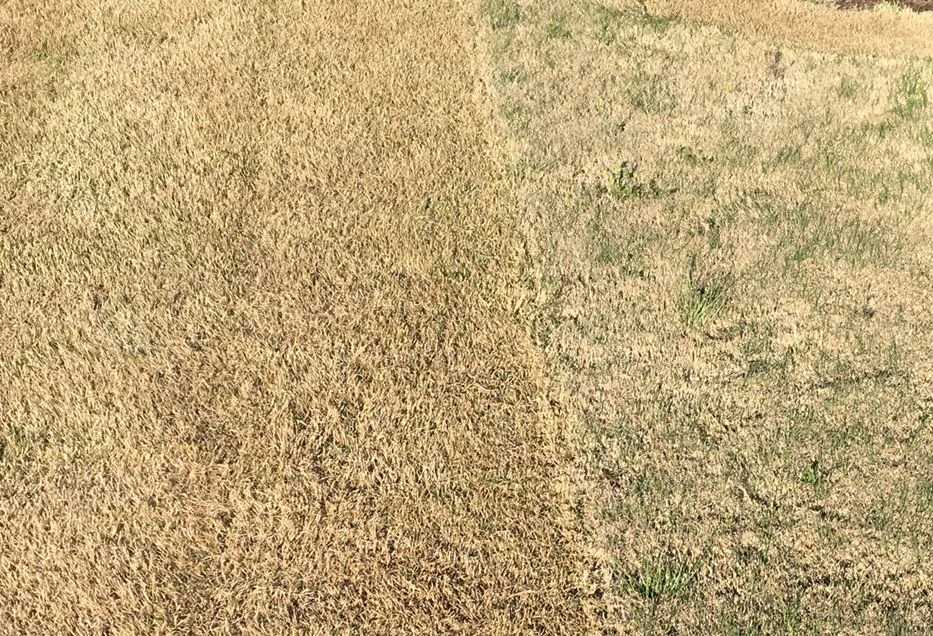
The best time to scalp Bermuda grass is in the early spring or late fall when the grass is actively growing but not under stress from extreme heat or cold. Scalp your Bermuda grass carefully to promote healthy growth, improve airflow, and keep your lawn looking its best.
In short, you should scalp Bermuda grass when it starts to grow vigorously in spring or just before dormant season in fall. Timing is key to avoid damaging the turf, and it’s best to do it when the grass isn’t under stress from drought or extreme temperatures.
Getting your Bermuda grass ready for a lush, healthy season starts with knowing the right time to scalp it. This process involves cutting the grass very short to remove thatch buildup and encourage fresh growth. Typically, this is done in early spring as the grass begins to wake up or in late fall to prepare it for dormancy. Proper timing ensures your lawn recovers quickly and remains resilient against pests and diseases, giving you that perfect, even turf you desire.

When Do You Scalp Bermuda Grass? A Complete Guide
Knowing the right time to scalp Bermuda grass is essential for maintaining a healthy and lush lawn. Proper scalping helps control thatch, encourages new growth, and prepares your grass for seasonal changes. In this article, we’ll explore when to scalp Bermuda grass, how to do it correctly, and tips for achieving the best results.
Understanding Bermuda Grass Growth Patterns
Bermuda grass is a warm-season grass that thrives in hot climates. It goes through active growth during late spring and summer, with dormancy happening in colder months. Recognizing these patterns can guide you on the best time to scalp your lawn.
During peak growing seasons, Bermuda grass develops thick, dense mats and produces a significant amount of thatch. This is the perfect window to prune the grass through scalping to promote healthy regrowth.
Timing Is Key: When to Scale Bermuda Grass
Late Winter to Early Spring
In regions with mild winters, late winter is an ideal time to start preparing your Bermuda lawn. Scalping at the end of winter removes dead grass and prepares the soil for new growth. This timing helps your lawn recover quickly as temperatures warm.
Late Spring to Early Summer
This is generally the best time to scalp Bermuda grass. Once the grass begins to actively grow, usually when it reaches about 1.5 to 2 inches in height, scalping encourages healthy, dense growth. Avoid scalping when the grass is dormant or just starting to green up.
Avoid Scalping in Fall and Winter
During dormancy, Bermuda grass is not actively growing. Scalping at this time can stress the plant and leave it vulnerable to disease. Wait until spring when growth resumes for best results.
Factors That Influence the Best Scalping Time
Climate and Location
Growers in warmer climates may have a longer window for scalping, often from late winter through early fall. Cooler regions should wait for late spring or early summer when grass recovery is more certain.
Grass Condition
Check the health of your Bermuda grass before scalping. If the lawn is patchy or weak, postpone scalping until it shows signs of strong growth. Well-maintained and healthy lawns respond better to scalping.
Weather Conditions
Ensure no heavy rain is forecasted immediately after scalping. Wet conditions can cause the mower blades to spread disease and hinder recovery. Choose a dry, mild day for best results.
How to Prepare Your Bermuda Grass for Scalping
Adjust Your Mower Height
Set your mower to cut at a height of about 0.5 to 1 inch. This is lower than typical mowing height and helps remove thatch and dead material effectively.
Clear Debris and Lawn Clippings
Remove leaves, sticks, and other debris from the lawn. Clean equipment ensures a clean cut and reduces the risk of disease spread.
Water the Lawn
A moist lawn is easier to cut and helps prevent stress on the grass. Water your Bermuda grass 24 hours before scalping for best results.
Step-by-Step Guide for Scalp Bermuda Grass
- Check the weather forecast and pick a dry, mild day for scalping.
- Adjust your mower to the desired cutting height, around 0.5 to 1 inch.
- Test run on a small section to ensure blades are sharp and functioning properly.
- Gradually mow over the lawn, removing the top layer of grass and thatch.
- Overlap passes slightly to ensure even scalping across the lawn.
- Dispose of or compost the cut grass to prevent disease and pests.
Post-Scalping Care Tips
Water Deeply
After scalping, water your lawn deeply to help it recover and promote new growth. Aim for at least 1 inch of water per week.
Fertilize Appropriately
Apply a nitrogen-rich fertilizer to encourage vigorous growth. Follow recommended application rates to avoid overfeeding.
Monitor for Disease and Pests
Scalped lawns are more susceptible to disease. Keep an eye out for fungal infections or pests and treat early if needed.
Limit Traffic
Avoid heavy foot traffic immediately after scalping. This helps the grass recover faster and minimizes damage.
Additional Tips for a Healthy Bermuda Lawn
- Maintain a regular mowing schedule, but avoid cutting more than one-third of the grass height at a time.
- Restore soil health by aerating once or twice a year, especially if the soil is compacted.
- Control weeds early to reduce competition for nutrients and water.
- Adjust watering and fertilization based on seasonal changes and grass health.
Common Mistakes to Avoid When Scalping Bermuda Grass
- Scalping during dormancy or early spring when the grass is not ready.
- Using dull mower blades, which can tear and damage the grass.
- Over-scaling, which can weaken the roots and slow recovery.
- Ignoring weather conditions, leading to scalping during overly wet or cold periods.
Related Topics to Explore
How to Restore a Lawn After Scalping
Best Fertilizers for Bermuda Grass
Tips for Managing Thatch in Bermuda Lawns
Seasonal Lawn Care Tips for Bermuda Grass
Understanding the right time to scalp Bermuda grass ensures healthier, more attractive lawns. Proper timing, preparation, and post-care make all the difference in achieving lush, dense turf. Follow these guidelines for a lawn that thrives year-round and stays resilient through seasonal changes.
When to Spring Scalp Your Bermudagrass Lawn // Why to Wait to Scalp // What is Bermudagrass Scalping
Frequently Asked Questions
What signs indicate it’s time to scalp Bermuda grass?
If your Bermuda grass has become dense, with a lot of overlapping blades, it may be time to scalp. Look for uneven growth, thatch buildup, or areas where the grass appears to be struggling to grow taller. These signs suggest that removing the excess foliage will help improve airflow and overall health.
How does the season affect the timing for scalping Bermuda grass?
The best time to scalp Bermuda grass is during its active growing season, typically late spring to early summer. During this period, the grass recovers quickly and benefits from the removal of thatch. Avoid scalping during dormancy or extreme heat to prevent stressing the grass.
Should I wait for specific weather conditions before scalpng Bermuda grass?
Yes, wait for a day with mild temperatures and no heavy rain forecasted. Scalping when the soil is moist allows for easier cutting, but avoid doing it during excessively hot or drought conditions, as the stress can damage the grass. Ensure the grass is actively growing and not stressed from recent heat or drought.
How often should I scalp Bermuda grass during the growing season?
Typically, scalping is done once or twice during the peak growing season to maintain healthy turf. Avoid scalping too frequently, as it can weaken the grass and lead to weed invasion. Monitor your lawn’s condition and only scalp when necessary to keep your Bermuda grass healthy.
Can I scalp Bermuda grass after aerating or fertilizing?
Yes, it’s beneficial to scalp Bermuda grass after aeration or fertilizing. These practices encourage healthy growth, and scalping can help remove thatch and promote better nutrient absorption. Wait a few days after these activities to allow the grass to recover and ensure optimal results.
Final Thoughts
When do you scalp Bermuda grass? The best time to scalp Bermuda grass is during late winter or early spring before new growth begins. This process clears away dead grass and encourages healthy growth.
Scalping helps control thatch buildup and prepares your lawn for fertilization. Always ensure your mower blades are sharp for a clean cut.
By timing your scalping correctly, you promote a lush, healthy lawn. Remember, knowing when to scalp Bermuda grass supports optimal growth and turf health.