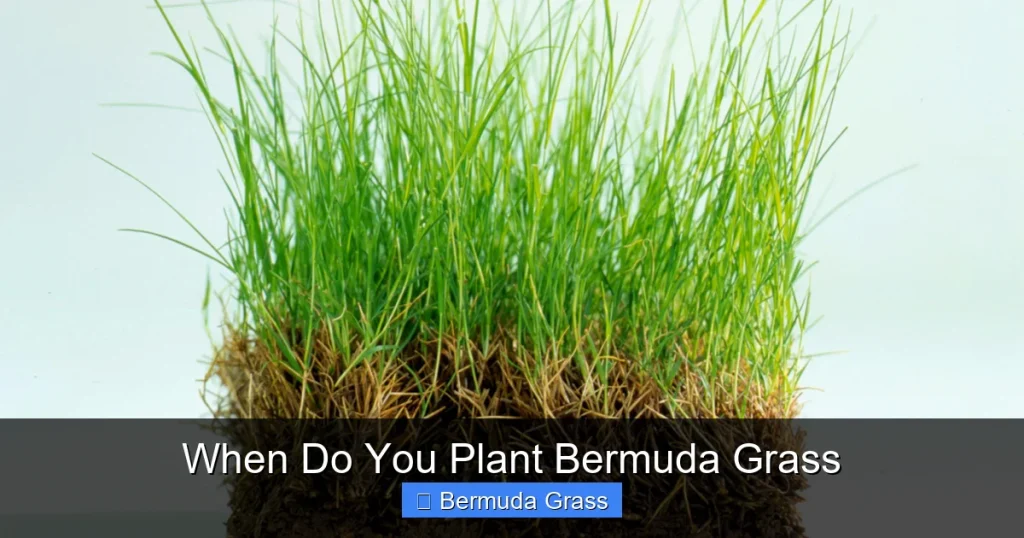
Planting Bermuda grass at the right time is crucial for a healthy, robust lawn. The key factor is consistent soil temperature, ideally between 65°F and 70°F, typically occurring from late spring to early summer after the last frost. Understanding your climate, the type of Bermuda grass you’re planting (seed vs. sod), and proper preparation will ensure successful establishment and vibrant growth.
When Do You Plant Bermuda Grass
Welcome, fellow lawn enthusiasts! If you’re dreaming of a lush, vibrant green carpet of Bermuda grass stretching across your yard, you’ve come to the right place. Bermuda grass is a fantastic choice for many climates, known for its heat tolerance, drought resistance, and ability to recover quickly from heavy use. But like any successful relationship, timing is everything. Planting Bermuda grass at the optimal time is the single most important decision you’ll make for the health and vigor of your future lawn.
This comprehensive guide will walk you through precisely when to plant Bermuda grass, whether you’re starting from seed, laying sod, or spreading plugs or sprigs. We’ll dive deep into the critical environmental factors, the magic number for soil temperature, and practical tips to ensure your Bermuda grass planting efforts are met with resounding success. Get ready to transform your yard into the envy of the neighborhood!
Key Takeaways
- Optimal Soil Temperature is Paramount: Bermuda grass thrives when soil temperatures consistently reach and stay between 65°F and 70°F (18°C and 21°C). This is the single most important factor for successful germination and growth.
- Late Spring to Early Summer is Ideal: This period, usually after the last threat of frost has passed, provides the perfect combination of warm soil and increasing air temperatures for Bermuda grass to establish.
- Differentiate Planting Methods: While soil temperature is key for all, Bermuda grass seeds require slightly warmer and more stable conditions than sod, plugs, or sprigs, which have a bit more tolerance.
- Avoid Early or Late Planting: Planting too early risks cold shock and poor germination, while planting too late might not allow enough time for establishment before cooler fall temperatures or competition from weeds.
- Consider Your Local Climate Zone: Bermuda grass is a warm-season grass, meaning it’s best suited for USDA Hardiness Zones 7-10. Your specific zone dictates the exact window for optimal soil temperatures.
- Preparation Enhances Success: Proper soil preparation, including testing, amending, and weed control, before planting during the optimal window significantly increases the chances of a dense, healthy Bermuda grass lawn.
- Consistent Moisture is Essential Post-Planting: After planting Bermuda grass, consistent and light watering is critical to encourage deep root growth, especially during the establishment phase in warm conditions.
Understanding Bermuda Grass and Its Warm-Season Nature
Before we talk about “when,” let’s quickly understand “what” we’re planting. Bermuda grass (scientific name: Cynodon dactylon) is a warm-season grass. What does “warm-season” mean? It means this type of grass absolutely loves the heat. It thrives in hot, sunny conditions and goes dormant (turns brown) when temperatures drop in the fall and winter. This characteristic is crucial because it dictates its preferred planting window.
Unlike cool-season grasses that prefer cooler temperatures and have a spring and fall planting window, Bermuda grass needs consistent warmth to germinate, establish, and grow vigorously. Trying to plant it when it’s too cold is like trying to convince a polar bear to enjoy a desert. It just won’t work out well!
The Golden Rule: Soil Temperature is Key
If there’s one piece of information you take away from this guide, let it be this: **soil temperature is the most critical factor when planting Bermuda grass.** It’s even more important than the air temperature you feel on your skin. Why? Because the seeds, roots, and new shoots need the warmth of the soil to kickstart their growth processes.
For successful germination of Bermuda grass seeds and the vigorous establishment of sod, plugs, or sprigs, the soil temperature needs to be consistently between **65°F and 70°F (18°C and 21°C)**. Notice we said *consistently*. This isn’t just a brief spike during the hottest part of the day; it means the average soil temperature over several days and nights should stay within this range.
How to Measure Soil Temperature
You can easily measure soil temperature with an inexpensive soil thermometer, available at most garden centers or online. Simply insert the thermometer about 2-3 inches deep into the soil and leave it for a few minutes. Check it a couple of times a day for several days to get an accurate average.
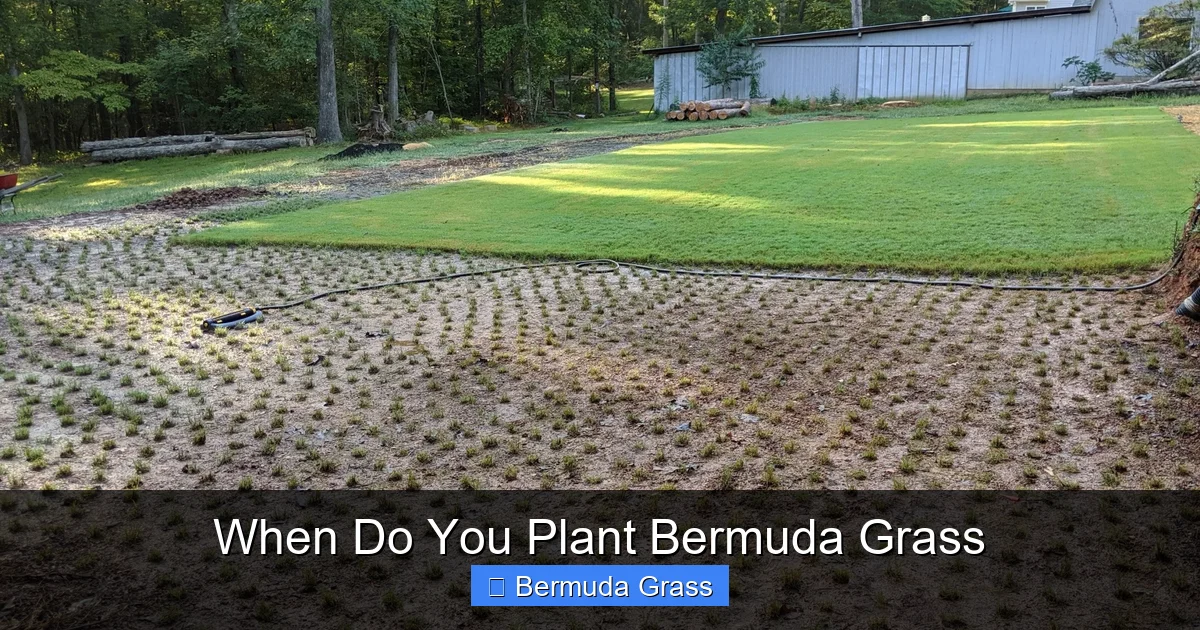
Visual guide about When Do You Plant Bermuda Grass
Image source: proplugger.com
Alternatively, many agricultural extension offices and online weather services provide localized soil temperature data, which can be a good general guide.
Best Time to Plant Bermuda Grass Seed
When you’re planting Bermuda grass from seed, the timing is a bit more sensitive than with sod or plugs. Seeds are tiny and vulnerable, requiring very specific conditions to germinate successfully.
The optimal window for planting Bermuda grass seed is generally from **late spring to early summer**. This translates to roughly **mid-April through July** in most parts of the southern United United States and similar warm climates.
Why This Window Works Best for Bermuda Grass Seed:
- Consistent Warmth: By late spring, the soil has usually warmed up sufficiently and stays warm throughout the night, which is crucial for seed germination.
- Long Growing Season Ahead: Planting in late spring or early summer gives your Bermuda grass seeds ample time to germinate, establish a strong root system, and mature before the cooler temperatures of fall and winter arrive. This extended period is vital for the young grass to become robust and resilient.
- Reduced Frost Risk: By this time, the danger of a late spring frost, which could kill young seedlings, has typically passed.
What to Avoid When Planting Bermuda Grass Seed:
- Planting Too Early: If you plant when soil temperatures are below 65°F, you’ll likely experience very poor germination rates. The seeds might just sit there, or worse, rot. They’ll also be more susceptible to disease and competition from cool-season weeds.
- Planting Too Late: Planting Bermuda grass seed in late summer or early fall doesn’t give the young grass enough time to establish deep roots before the first frost. Weak, immature grass is much more likely to die over winter.
- Extreme Heat: While Bermuda grass loves heat, trying to germinate seeds during an extreme heatwave (e.g., above 95°F daily) combined with scorching sun can dry out the tiny seedlings too quickly, even with frequent watering. Aim for warm, but not *blazing* hot, conditions for initial germination.
Best Time to Plant Bermuda Grass Sod, Plugs, or Sprigs
While still requiring warm soil, planting Bermuda grass via sod, plugs, or sprigs offers a little more flexibility compared to seed. These methods introduce already-grown grass, which has a head start and a more developed root system.
The best time to lay Bermuda grass sod, or plant plugs and sprigs, is also from **late spring to late summer**. This broader window extends a bit further into the summer than seeding.
Why This Window Works Best for Bermuda Grass Sod, Plugs, and Sprigs:
- Established Root Systems: Sod, plugs, and sprigs already have some root structure, making them more resilient to slight temperature fluctuations than delicate seeds.
- Faster Establishment: With pre-grown grass, you’ll see a quicker establishment and green-up, often within a few weeks, as long as conditions are favorable.
- Strong Summer Growth: Planting during this period allows the Bermuda grass to take full advantage of the peak growing season, encouraging rapid spread and a dense lawn.
Considerations for Sod, Plugs, and Sprigs:
- Watering is Critical: Because you’re transplanting, consistent and ample watering immediately after installation is even more crucial to help the roots “knit” into the underlying soil. This is especially true when planting Bermuda grass in the warmer parts of the window.
- Heat Stress: While sod is tougher than seed, planting in the absolute peak of a severe summer heatwave (e.g., consistently over 100°F) can still be stressful for new sod if not properly watered. Aim for warm, but not excessively extreme, temperatures.
Factors Influencing Your Planting Schedule
Beyond soil temperature, several other factors can influence the precise “when” for planting Bermuda grass.
Your Climate Zone
Bermuda grass is best suited for USDA Plant Hardiness Zones 7-10. If you’re on the colder edge of Zone 7, your planting window will be shorter, starting later in the spring and ending earlier in the summer. In warmer Zones like 9 or 10, you might have a longer window, potentially starting earlier in spring and extending further into late summer.
Risk of Frost
Always wait until all danger of a late spring frost has completely passed. A single frost can severely damage or kill tender young Bermuda grass seedlings or stress newly laid sod, setting back your entire project.
Watering Availability
Bermuda grass needs consistent moisture to establish. If you’re planting seeds, you’ll need to water multiple times a day (lightly) for the first few weeks. For sod, plugs, or sprigs, deep and frequent watering is essential. Make sure you have a reliable watering system or the time to dedicate to watering during the establishment phase, especially if you’re planting Bermuda grass during hotter periods.
Weed Pressure
Planting Bermuda grass at the optimal time gives it a competitive advantage over common weeds. If you plant too early, cool-season weeds will sprout before your Bermuda grass and outcompete it. If you plant too late, certain warm-season weeds might have already taken hold. Proper soil preparation that includes weed control is paramount.
Step-by-Step Planting Preparation
While this guide focuses on “when to plant Bermuda grass,” a quick overview of preparation is important because it directly impacts success during your chosen window.
Soil Testing and Amendment
Before you even think about planting, send a soil sample to your local extension office. A soil test will tell you your soil’s pH and nutrient levels. Bermuda grass prefers a soil pH between 6.0 and 7.0. Amend your soil as recommended by the test results to create the ideal environment.
Weed Control
Eliminating existing weeds is crucial. You can do this manually, through solarization, or with a non-selective herbicide (following all label instructions). You want your Bermuda grass to be the star, not battling for resources with unwanted guests.
Ground Leveling
Grade and level the area to ensure proper drainage and a smooth surface. This is especially important for sod, as uneven ground can lead to air pockets and poor root contact.
Post-Planting Care for Success
Once you’ve planted your Bermuda grass during its ideal window, the work isn’t over! Proper post-planting care is vital for its success.
* **Watering:** This is non-negotiable. For seeds, keep the top inch of soil consistently moist (often means multiple light waterings per day) until germination. For sod, plugs, or sprigs, water deeply and frequently to ensure the roots establish firmly. Gradually reduce frequency and increase depth as the grass establishes.
* **Fertilization:** A starter fertilizer (high in phosphorus) can encourage root development. Follow product instructions carefully.
* **Mowing:** Wait until your Bermuda grass is established and tall enough before the first mow (typically when it reaches 2-3 inches). Set your mower to a high setting initially, then gradually lower it as the grass matures.
* **Weed Management:** Be diligent about controlling weeds, especially in the early stages, as they will compete with your young Bermuda grass.
Troubleshooting Common Planting Time Mistakes
What happens if you miss the optimal window or make a timing error when planting Bermuda grass?
Planting Too Early (Too Cold)
If you plant Bermuda grass seed when soil temperatures are too low, you’ll likely see very poor or no germination. The seeds might rot in the cold, wet soil, or they’ll be slow to sprout, making them vulnerable to disease and competition from cool-season weeds. For sod or plugs, establishment will be slow, and the grass may look stressed and fail to knit into the existing soil.
Solution: Be patient! Wait for the soil to warm up. If you’ve already planted, you might need to reseed or replant when conditions improve. Protect new sod from unexpected cold snaps with a light covering if possible.
Planting Too Late (Too Hot or Too Close to Winter)
Planting Bermuda grass seed or sod during extreme summer heat can lead to rapid drying out, even with frequent watering. The young grass might struggle with heat stress. More critically, planting too late in the summer or early fall (when soil temperatures begin to drop below 65°F-70°F) doesn’t give the Bermuda grass enough time to establish a deep, strong root system before winter dormancy. This significantly increases the risk of winterkill.
Solution: If you plant late in the summer, be extra diligent with watering and consider a fall fertilizer application designed for root growth. If you’re approaching fall and soil temperatures are consistently dropping, it’s often better to wait until the next spring’s optimal window. It’s better to delay than to waste time and resources on a failed attempt.
Ignoring Weather Forecasts
Don’t just pick a date on the calendar. Keep a close eye on the extended weather forecast. Look for a period of stable, warm weather without extreme heatwaves, heavy rains (which can wash away seeds), or unexpected cold snaps immediately after your planned planting date.
Solution: Flex your schedule. If the forecast looks unfavorable, adjust your planting date by a week or two. Nature doesn’t follow a strict calendar!
Conclusion
Planting Bermuda grass successfully is largely about timing. By understanding its warm-season nature and prioritizing consistent soil temperatures between 65°F and 70°F, you can select the ideal window from late spring to early summer for planting Bermuda grass seed, sod, plugs, or sprigs. Don’t rush the process, and don’t ignore the importance of proper soil preparation and diligent post-planting care.
With the right timing and a little effort, you’ll be well on your way to enjoying a beautiful, resilient Bermuda grass lawn that stands up to summer’s heat and activity. Happy planting, and here’s to a vibrant, green landscape!