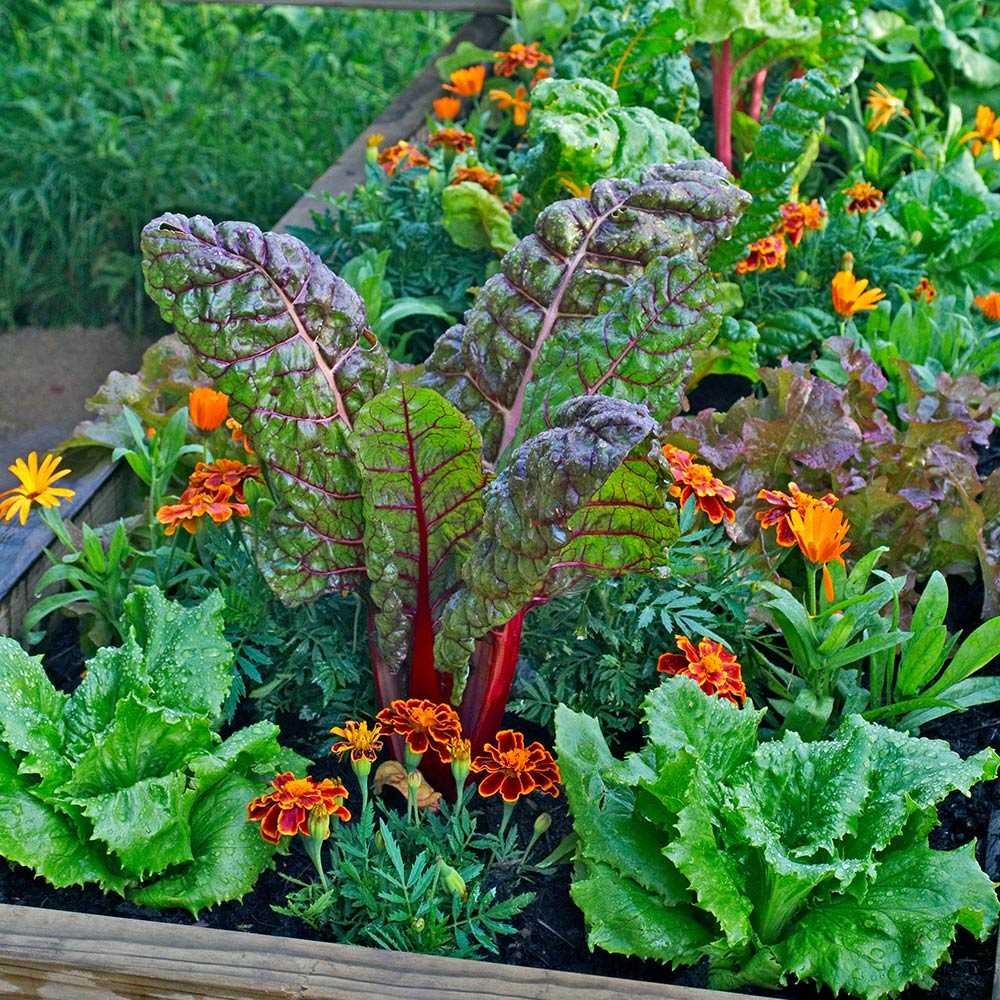
If you’re eager to enjoy fresh produce well into the cooler months, planting a fall vegetable garden is a fantastic idea. Start by selecting hearty crops that thrive in cooler temperatures, such as kale, carrots, beets, and broccoli. Prepare your soil by adding compost to provide essential nutrients, and consider using row covers to protect young plants from frost. Timing is crucial, so aim to plant your seeds or seedlings about six to eight weeks before the first frost date in your area. With the right preparation and care, you can cultivate a bountiful fall garden that keeps your kitchen stocked with delicious, homegrown vegetables. Now, let’s dive into the steps to create your own thriving vegetable garden this fall.

How To Plant A Vegetable Fall Garden
As the days grow shorter and the temperature starts to cool, it’s the perfect time to plant a vegetable fall garden. With the right planning and care, you can enjoy fresh vegetables well into the colder months. This guide will help you through the essential steps of creating a thriving fall garden.
Why Plant a Fall Garden?
Planting a fall garden offers several benefits. Firstly, the cooler temperatures reduce the chances of pests and diseases that commonly affect summer crops. Secondly, many vegetables actually taste better after exposure to frost. Lastly, a fall garden can extend your harvest season and provide fresh produce well into winter.
Choosing the Right Vegetables
When selecting vegetables for your fall garden, it’s important to choose varieties that thrive in cooler weather. Some excellent options include:
- Spinach
- Radishes
- Kale
- Broccoli
- Carrots
- Brussels sprouts
- Garlic
These vegetables are not only hardy, but they also grow quickly and can be harvested in a relatively short period.
Understanding Your Zone
Before planting, it’s crucial to know your USDA Plant Hardiness Zone. This determines your area’s climate and the best planting times. You can find your zone by checking the USDA website. Knowing this will help you select the right plants for your garden.
Preparing Your Garden Bed
Preparing your garden bed is a key step in planting a fall garden. Here’s how to do it:
- Clear the Area: Remove any weeds, rocks, or debris from your garden bed.
- Till the Soil: Use a garden fork or tiller to loosen the soil, allowing for better root growth.
- Add Nutrients: Mix in compost or well-rotted manure to enrich the soil.
- Level the Bed: Rake the soil to create a smooth, even surface.
A well-prepared bed will give your plants the best chance to thrive.
Timing Your Planting
Timing is everything when planting a fall garden. You typically want to plant in late summer to early fall, depending on your climate.
- Start with fast-growing varieties for early harvests.
- Consider using row covers for added warmth if planting late in the season.
- Monitor your local frost dates to ensure the best planting schedule.
Keeping an eye on the weather will help you make informed decisions.
Planting Techniques
When planting your seeds or seedlings, proper techniques can lead to better growth. Here are some tips:
- Follow seed packet instructions for depth and spacing.
- Plant seeds in rows for easy maintenance and harvesting.
- Water gently after planting to avoid washing away seeds.
Good planting techniques will set the foundation for healthy plants.
Watering Your Fall Garden
Watering is crucial, especially during dry spells. Here’s how to ensure your plants receive adequate moisture:
- Water early in the morning to reduce evaporation.
- Use soaker hoses or drip irrigation for efficient watering.
- Avoid overwatering; the soil should be moist but not soggy.
A balanced watering routine will help your garden flourish.
Pest and Disease Management
Even in fall, pests and diseases can be a challenge. Here are some strategies to keep your plants healthy:
- Inspect your plants regularly for signs of pests.
- Use organic pest control methods, such as neem oil or insecticidal soap.
- Ensure good air circulation around plants to prevent diseases.
Being proactive will help you manage any potential issues.
Harvesting Your Fall Vegetables
As your vegetables mature, it’s important to know when to harvest. Each type of vegetable has its own signs of readiness:
- Leafy greens can be harvested when they’re young and tender.
- Carrots are ready when they reach a suitable size, usually about one inch in diameter.
- Brussels sprouts should feel firm and be harvested from the bottom up.
Regular harvesting encourages continued growth and production.
Storing Your Harvest
Once you’ve harvested your vegetables, proper storage is key to maintaining their freshness. Consider these tips:
- Store leafy greens in a damp paper towel and place them in a plastic bag.
- Root vegetables like carrots can be kept in a cool, dark place.
- Use refrigerated storage for most vegetables to prolong shelf life.
Storing your produce correctly will allow you to enjoy it longer.
Covering Your Garden Beds
As temperatures drop, consider covering your garden beds to protect them from frost. Use materials such as:
- Row covers
- Plastic tunnels
- Mulch to insulate the soil
These coverings can help extend your growing season and protect your plants.
Companion Planting
Companion planting can enhance growth and deter pests. Here are some good pairings for your fall garden:
- Carrots and onions help repel each other’s pests.
- Kale grows well with garlic, which can deter aphids.
- Spinach benefits from being planted near radishes.
Using companion planting can lead to a healthier, more productive garden.
Using Cold Frames and Greenhouses
If you’re serious about extending your growing season, consider using cold frames or greenhouses. These structures provide:
- Protection from frost and harsh weather
- Warmer conditions for young plants
- Extended growth periods for sensitive vegetables
Investing in these options can greatly enhance your fall gardening experience.
Fall Gardening Resources
To further your knowledge about fall gardening, numerous resources are available:
- Local extension services often provide classes and workshops.
- Books and online tutorials can offer valuable insights.
- Community gardens are great for hands-on experience and advice.
Connecting with others can enhance your gardening skills.
In conclusion, planting a vegetable fall garden can be a rewarding experience. With the right preparation, timing, and care, you can enjoy vegetables that will keep you nourished throughout the season. Embrace the beautiful change of seasons and dive into the joys of gardening this fall. Happy planting!
How to Plant a Fall Vegetable Garden
Frequently Asked Questions
“`html
What vegetables are best suited for a fall garden?
For a successful fall garden, consider planting cool-season vegetables. Some of the best options include kale, spinach, carrots, beets, and radishes. These crops thrive in cooler temperatures and can often withstand light frost, making them ideal for autumn planting.
How do I prepare my garden soil for fall planting?
When is the best time to plant a fall vegetable garden?
The optimal time to plant your fall vegetable garden varies based on your local climate, but generally, aim to plant about 6-8 weeks before the first expected frost date. This timing allows your plants to establish before the colder temperatures arrive.
How should I care for my fall vegetable garden?
Can I use row covers for my fall garden?
Yes, using row covers in your fall garden can provide extra protection against frost and pests. These lightweight fabrics allow sunlight and moisture to reach your plants while shielding them from cold temperatures and insects. Be sure to secure the edges to prevent them from blowing away.
What are some common mistakes to avoid when planting a fall vegetable garden?
Common mistakes to avoid include planting too late in the season, which can lead to poor crop development, and neglecting soil preparation, which affects plant growth. Also, don’t forget to check the specific needs of each vegetable type, as some may require different care than others.
“`
Final Thoughts
Planting a vegetable fall garden offers a wonderful way to extend your growing season. Start by selecting the right crops suited for cooler temperatures, such as kale, broccoli, and carrots. Prepare your soil well, ensuring it is rich in nutrients and well-drained.
Timing is crucial, so plant your seeds or seedlings early enough to allow for growth before frost arrives. Regularly monitor moisture levels and apply mulch to protect your plants from temperature fluctuations. Follow these steps to successfully create your own space with ‘How To Plant A Vegetable Fall Garden’ in mind, and enjoy a bountiful harvest even as the weather cools.