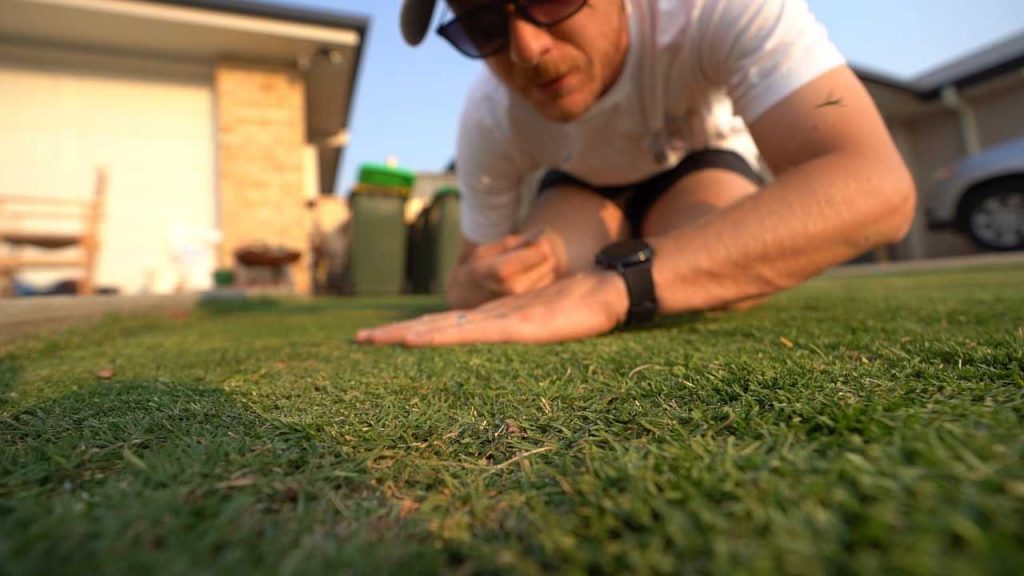
To keep Bermuda grass lush and vibrant, applying a nitrogen-rich fertilizer is your best bet. Regular watering, proper mowing, and aeration also help promote healthy, green growth. Remember, a balanced approach tailored to Bermuda’s needs is key to a gorgeous lawn.
For a quick fix to make your Bermuda grass green, focus on feeding it with a high-nitrogen fertilizer during its active growing season. Ensuring good watering, mowing at the right height, and aerating the soil can significantly boost its health and color.
Looking to turn your dull, brownish Bermuda grass into a rich, green carpet? The secret lies in providing the right nutrients and care. Bermuda grass is a warm-season grass that thrives with proper fertilization, especially nitrogen, which prompts lush, green growth. Along with regular watering and mowing at the right height, fertilizing correctly can transform your lawn from patchy to pristine. Over-fertilizing can do more harm than good, so it’s essential to follow recommended application rates. With consistent care and the right nutrients, you’ll soon enjoy a vibrant, inviting yard to relax and entertain on.

What to put on Bermuda grass to make it green?
Understanding Bermuda Grass and Its Needs
Bermuda grass is a warm-season turf that thrives in sunny locations and warm temperatures. To keep it looking lush and vibrant, it requires proper care, nutrients, and watering. Knowing what Bermuda grass needs helps you choose the right products to make it green.
Essential Nutrients for Green Bermuda Grass
Bermuda grass needs three main nutrients: nitrogen, phosphorus, and potassium. Nitrogen is the most crucial for a rich green color and active growth. Phosphorus supports root development, while potassium helps with stress tolerance and overall health.
Applying Nitrogen for a Vibrant Green
Nitrogen encourages leafy, lush growth that makes Bermuda grass appear full and green. Use a high-quality, quick-release nitrogen fertilizer during the active growing season. Apply it according to soil test recommendations to avoid over-fertilizing.
Role of Phosphorus and Potassium
While nitrogen promotes immediate greening, phosphorus and potassium play vital roles in long-term health. Phosphorus can be added through bone meal or phosphate fertilizers, especially if soil tests show deficiencies. Potassium supports disease resistance and drought tolerance, and can be supplied with kelp meal or specific fertilizers.
Choosing the Right Fertilizer for Bermuda Grass
Select fertilizers formulated for warm-season grasses like Bermuda. Look for products with an appropriate nitrogen to potassium ratio, typically labeled as NPK ratios like 3-1-2 or similar, depending on soil needs. Organic options such as composted manure or plant-based fertilizers provide nutrients slowly and improve soil health.
Fertilizer Application Tips
Apply fertilizer evenly across the lawn to prevent patchy growth. Use a broadcast spreader for uniform coverage. It’s best to fertilize during active growth periods, usually in spring and summer, every 6 to 8 weeks for optimal greening.
Timing and Frequency of Fertilizer Use
Timing is key to maximizing fertilizer benefits. Bermuda grass benefits from early spring fertilization once temperatures warm up. Reapply monthly during the growing season, but avoid fertilizing late in the season to prevent unnecessary growth and stress.
Understanding Soil pH and Its Impact
Bermuda grass prefers a soil pH between 5.8 and 6.5. Conduct a soil test before fertilizing to determine pH and nutrient levels. Lime can be added to raise pH if soil is too acidic, improving nutrient uptake and greening.
Proper Watering Practices to Enhance Greening
Adequate watering is essential for nutrient absorption and vibrant growth. Bermudagrass needs about 1 to 1.5 inches of water weekly, including rainfall. Deep, infrequent watering encourages deep root growth and healthy, green grass.
Watering Tips for Lush Bermuda
Water early in the morning to reduce evaporation and fungal problems. Avoid frequent shallow watering, which can weaken roots and cause yellowing. Consistent moisture levels help Bermuda grass stay green and vigorous.
Combatting Common Problems That Affect Grass Color
Yellowing or dull Bermuda grass can be caused by nutrient deficiencies, pests, or disease. Regular turf maintenance and soil testing help identify issues early. Correct deficiencies promptly to maintain a healthy, green lawn.
Pest and Disease Management
Inspect your lawn regularly for signs of pests like grubs or chinch bugs. Use appropriate treatments when necessary. Fungicides may be required for fungal diseases, especially in humid conditions.
Additional Tips for a Green Bermuda Lawn
Maintaining proper mowing height and aerating the soil can improve turf health. Mow at about 1 to 2 inches to promote dense growth and help with nutrient penetration. Aeration reduces soil compaction, allowing roots to access air, water, and nutrients more easily.
Use Organic Enhancers
Organic composts, kelp meal, and seaweed extracts are excellent for enriching soil health and stimulating growth. They supply essential nutrients naturally and improve soil structure, reducing the need for chemical fertilizers.
Related Topics and Advanced Care
For best results, combine fertilizing with overseeding or soil amendment practices. Consider soil conditioners like aerators or sand topdressing to improve drainage and root development. Regular lawn maintenance ensures Bermuda grass stays healthy, green, and attractive.
Monitoring and Adjusting Your Lawn Care Routine
Keep track of your fertilization schedule, watering times, and mowing habits. Regular monitoring allows you to adapt your routine for seasonal changes or specific lawn conditions. Consistent care results in a thriving, green Bermuda grass lawn.
Through understanding the specific needs of Bermuda grass and applying targeted nutrients, proper watering, and lawn management techniques, your grass can remain green, lush, and healthy throughout the growing season.
Bermuda Lawn Care – 5 Basics – For A Nice Green Lawn – Beginners Start Here!
Frequently Asked Questions
What type of fertilizer should I use to promote a green Bermuda grass lawn?
Use a nitrogen-rich fertilizer suited for Bermuda grass to encourage healthy, vibrant green color. Apply it during the growing season, typically in spring and summer, following the manufacturer’s instructions to prevent over-fertilization. Incorporating a slow-release formula ensures nutrients are steadily available, supporting consistent growth and greenness.
How does overseeding help improve the color of Bermuda grass?
Overseeding introduces new, healthy grass seedlings that can fill in thin or patchy areas, resulting in a denser and more uniformly green lawn. Choose a Bermuda grass seed compatible with your existing grass type, and overseed during the optimal growing season. Proper watering and mowing after overseeding promote vigorous growth and a richer appearance.
What watering practices enhance the green color of Bermuda grass?
Water Bermuda grass deeply and infrequently to promote strong root growth. Water early in the morning to reduce evaporation and prevent disease. Consistent moisture levels help the grass absorb nutrients effectively, leading to a more vivid green hue. Avoid overwatering, which can cause fungal issues and dull the color.
Can soil amendments improve the greenness of Bermuda grass?
Yes, soil amendments like lime or sulfur can adjust soil pH to optimal levels for Bermuda grass, enhancing nutrient uptake. Testing your soil first helps determine what amendments are needed. Proper pH balance ensures the grass absorbs nutrients efficiently, contributing to a healthier, greener appearance.
What role does mowing height play in maintaining a lush green Bermuda lawn?
Maintaining a consistent mowing height between 0.5 and 1.5 inches helps Bermuda grass retain its green color and overall health. Mow regularly to avoid cutting more than one-third of the blade at a time, which reduces stress and encourages vigorous growth. Proper mowing also allows sunlight to reach the lower parts of the grass, supporting chlorophyll production.
Final Thoughts
To make Bermuda grass green, apply nitrogen-rich fertilizers regularly and ensure proper watering. Maintain good soil health by aerating and testing soil pH levels. Proper mowing height also encourages lush, vibrant growth.
Using seasonal overseeding and consistent irrigation supports healthy, green turf. Remember, what to put on Bermuda grass to make it green depends on proper nutrition and care. With these steps, you can achieve a stunning, green lawn year-round.