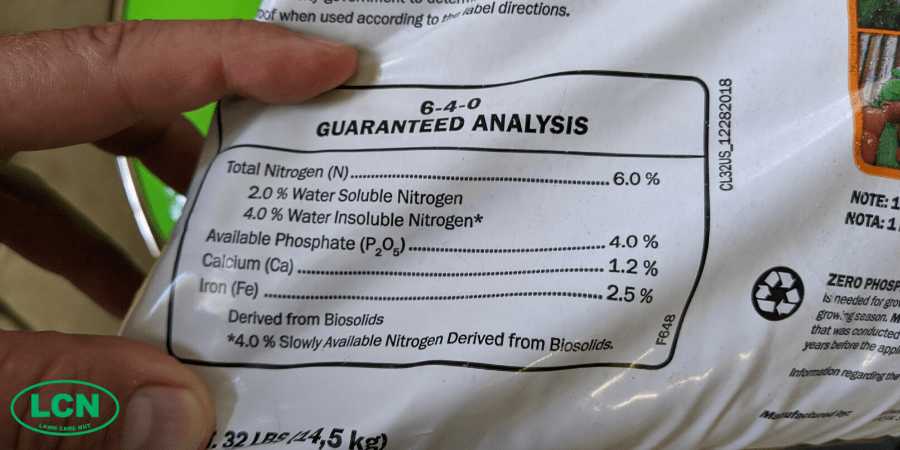
The vibrant green color of healthy grass is no accident—it’s the result of a perfect balance of essential nutrients. To keep your lawn lush and eye-catching, understanding what nutrients make grass green is key. The main players are nitrogen, iron, and potassium, each contributing uniquely to the grass’s color and overall health. Nitrogen is the superstar, giving the grass its rich, deep green hue by promoting lush leaf growth. Iron adds an even brighter, more intense green, often making the grass look freshly mowed. Potassium helps roots grow stronger, supporting overall vitality. Maintaining the right levels of these nutrients through proper fertilization ensures your lawn remains vibrant, resilient, and inviting. Investing a bit of attention into feeding your grass these nutrients will reward you with a stunning, verdant yard that’s the envy of any neighborhood.

What Nutrients Make Grass Green
Having lush, green grass is a common goal for many homeowners and landscapers. The vibrant color of healthy grass comes from specific nutrients that plants need to thrive. Understanding these nutrients can help you care for your lawn better.
Chlorophyll and Its Role in Green Color
The green color of grass mainly comes from a pigment called chlorophyll. This pigment captures sunlight and helps the plant make food through photosynthesis. The presence of enough chlorophyll indicates that the grass is healthy and well-nourished.
Chlorophyll contains magnesium, which is a key nutrient for the green pigment to form. Without enough magnesium, the grass may turn yellow or pale, indicating a deficiency.
Essential Nutrients for Greener Grass
Grass needs a variety of nutrients to stay vibrant and healthy. The most important ones for green color include nitrogen, magnesium, and iron. Each plays a unique role in promoting chlorophyll production and overall plant health.
Nitrogen: The Key to Green Color
Nitrogen is the most crucial nutrient for lush green grass. It is a major component of amino acids and chlorophyll. When grass receives enough nitrogen, it grows rapidly and develops a deep, vibrant green color.
If nitrogen levels are low, the grass may appear pale, yellowish, or dull. To keep your lawn green, regular fertilization with nitrogen-rich fertilizers is recommended.
Magnesium’s Role in Photosynthesis
Magnesium is an essential element that forms the core of the chlorophyll molecule. Adequate magnesium levels ensure that grass can produce enough chlorophyll, resulting in a rich green appearance.
Magnesium deficiency often causes yellowing between the veins of grass blades, known as interveinal chlorosis. Using magnesium-containing fertilizers or soil amendments can correct this issue.
Iron: The Final Touch for Deep Green Color
Iron is another vital nutrient that influences the greenness of grass. It helps in chlorophyll synthesis and gives grass a deep, dark green hue. Iron deficiencies lead to yellowing, especially in new growth.
Applying iron supplements or chelated iron can quickly boost the grass’s color, especially during periods of stress or poor soil conditions.
Other Nutrients Supporting Green Grass
Besides nitrogen, magnesium, and iron, other nutrients support overall lawn health and indirectly affect greenness. These include phosphorus, potassium, calcium, sulfur, and trace elements.
Potassium: Strengthening the Plant
Potassium helps regulate water uptake and enhances the grass’s resistance to disease and drought. Strong, healthy grass with proper potassium levels tends to maintain a vibrant green color longer.
Calcium: Building Cell Walls
Calcium strengthens cell walls, promoting overall plant structure and health. Well-structured grass can absorb nutrients effectively, contributing to its lush appearance.
Trace Elements and Their Impact
- Zinc: Aids in enzyme functions related to chlorophyll production.
- Manganese: Supports photosynthesis and chlorophyll synthesis.
- Copper: Helps enzymes involved in chlorophyll production.
Ensuring a balanced supply of these trace elements can prevent deficiencies that may dull the grass’s color.
How Soil pH Influences Nutrient Availability
Soil pH plays a vital role in how nutrients are absorbed by grass roots. Acidic or alkaline soils can lock up nutrients, making them unavailable to plants. Keeping the soil pH between 6.0 and 7.0 helps maximize nutrient uptake.
Regular soil testing can identify pH imbalances, and amendments like lime or sulfur can correct pH levels. Proper pH management ensures that grass can access the nutrients needed for lush greenness.
Effective Fertilization for Green Grass
Applying the right fertilizers at appropriate times ensures your grass receives all necessary nutrients. Use a balanced fertilizer with nitrogen, phosphorus, and potassium for general health.
For specific deficiencies, targeted supplements like iron chelates or magnesium sulfate can improve color quickly. Always follow recommended application rates to avoid over-fertilization, which can harm the lawn.
Signs of Nutrient Deficiencies to Watch For
Recognizing deficiency symptoms early allows for quick correction. Pale yellow or white patches may indicate nitrogen deficiency.
Yellowing between leaf veins can mean iron deficiency, while overall dullness suggests magnesium shortages. Addressing these issues promptly helps maintain your grass’s vibrant green color.
Summary: Key Takeaways for Greener Grass
- Nitrogen promotes lush green growth and rapid development.
- Magnesium is essential for chlorophyll synthesis and deep green coloration.
- Iron enhances the richness of green color and corrects yellowing.
- Maintaining balanced soil nutrients and proper soil pH is fundamental for nutrient availability.
- Regular fertilization tailored to your lawn’s needs supports healthy, green grass.
Incorporating these nutrients into your lawn care routine and monitoring soil health will help your grass stay vibrant and green throughout the growing season. Remember, healthy grass starts beneath the surface with proper nutrients and care.
Try this for Greener Lawn
Frequently Asked Questions
Which nutrients are essential for maintaining a vibrant green color in grass?
Nitrogen plays a vital role in keeping grass green because it is a primary component of chlorophyll, the pigment responsible for photosynthesis. Phosphorus and potassium support overall plant health, root development, and stress resistance, which indirectly contribute to a healthy, lush lawn. Ensuring your grass receives adequate amounts of these nutrients promotes vigorous growth and rich coloration.
How does iron contribute to the greening of grass?
Iron is crucial for the synthesis of chlorophyll, the compound responsible for photosynthesis and the green hue in grass. Even when nitrogen levels are sufficient, a deficiency in iron can cause grass to turn yellow or pale. Applying iron supplements or ensuring soil has enough available iron helps maintain a deep, vibrant green color, especially in cases of chlorosis or poor soil conditions.
Can soil pH affect the nutrients that make grass green?
Yes, soil pH influences the availability of vital nutrients like iron and nitrogen. When soil becomes too acidic or alkaline, it can lock nutrients in forms that plants cannot absorb effectively. Maintaining an optimal pH level, typically between 6.0 and 7.0 for most grasses, ensures that essential nutrients remain accessible, resulting in healthy, green grass.
What role does potassium play in enhancing grass color and health?
Potassium helps regulate various physiological processes within grass, including water uptake, enzyme activation, and cellular functions. Adequate potassium levels improve drought resistance and overall vigor, which helps grass maintain its green appearance even under stress. It also supports nutrient transport and enhances the plant’s ability to recover from damage, keeping the lawn lush and colorful.
Final Thoughts
The nutrients that make grass green include nitrogen, iron, and magnesium. Nitrogen promotes lush, vibrant growth by aiding in chlorophyll production. Iron is essential for maintaining a healthy green color and preventing yellowing. Magnesium plays a central role in photosynthesis, ensuring the grass remains lively.
Ensuring your lawn gets a balanced supply of these nutrients keeps it lively and green. Regular fertilization and soil testing help maintain optimal levels. A healthy lawn reflects your care and attention to its nutritional needs.
What nutrients make grass green? Proper amounts of nitrogen, iron, and magnesium are key to achieving that rich, green appearance.