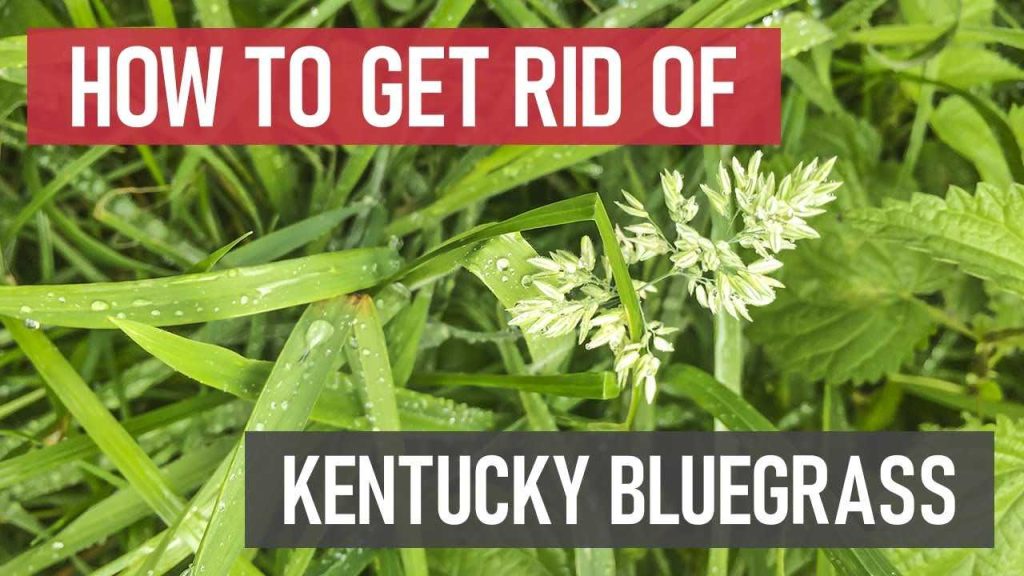
Overwatering, pests, and diseases are quick killers of Kentucky bluegrass. Identifying these threats early can save your lawn from a quick decline. The key to maintaining a healthy, lush bluegrass lawn is understanding what causes its decline and taking proactive steps to prevent it.
Kentucky bluegrass often falls victim to overwatering, which fosters root rot and fungal issues. Pests like true billbugs and diseases such as brown patch can also devastate it if not managed properly. By staying vigilant and practicing proper lawn care, you can keep your bluegrass thriving and beautiful.
If your Kentucky bluegrass is turning yellow, thinning out, or developing brown patches, it’s likely due to improper watering, pests, or disease. Recognizing these signs early and taking prompt action will help protect your lawn from further damage. Regular maintenance, correct watering practices, and treatment at the right time are essential for a healthy, resilient Kentucky bluegrass turf.

What Kills Kentucky Bluegrass
Kentucky bluegrass is a popular choice for lawns thanks to its rich green color and dense growth. However, several factors can cause it to die or become unhealthy. Understanding what kills Kentucky bluegrass helps homeowners and landscapers prevent damage and keep their lawns lush.
Common Causes of Kentucky Bluegrass Damage
Kentucky bluegrass needs consistent moisture to stay healthy. Too little water causes it to turn brown and thin out. Overwatering can also harm the grass by encouraging fungal growth and root rot.
Compacted soil prevents roots from getting enough air, water, and nutrients. Soil that drains poorly leads to waterlogged roots, which can cause the grass to die. Conversely, overly sandy soil doesn’t retain enough moisture, stressing the grass.
Mowing too short stresses the grass, making it vulnerable to disease and drought. Cutting at a height of about 2.5 to 3 inches helps protect the roots and promotes healthy growth.
Fungi such as brown patch and dollar spot can quickly kill Kentucky bluegrass if not treated promptly. These diseases thrive in moist, warm conditions and can cause large patches of dead grass.
Insects like grubs and chinch bugs feed on grass roots or blades, weakening the turf. Severe infestations can lead to substantial dead patches.
Heavy foot or equipment traffic damages the grass crowns and roots. Constantly compacted areas are prone to disease and dieback.
Environmental Factors That Harm Kentucky Bluegrass
Kentucky bluegrass prefers cool to moderate temperatures. Extreme heat causes drought stress, turning the grass brown. Cold winter temperatures can also damage the roots if the grass isn’t properly protected.
While Kentucky bluegrass thrives in full sunlight, too much direct sun without adequate water can cause dehydration and death. Conversely, shade reduces photosynthesis, weakening the grass over time.
Standing water results from poor drainage, leading to root rot and fungal diseases. It’s critical to ensure your lawn has proper grading and drainage systems.
Chemical Damage
Applying too much fertilizer, especially nitrogen, can burn the grass. It may also encourage fungal diseases, making the turf weak and susceptible to death.
Using improper or excessive chemicals can kill Kentucky bluegrass roots and blades. Always follow label instructions carefully.
Natural Aging and Wear
Like all plants, Kentucky bluegrass ages over time, and old, stressed turf becomes more susceptible to death. Regular lawn maintenance helps keep the grass healthy longer.
Preventing Kentucky Bluegrass Death
Water deeply once or twice a week, depending on weather conditions. Ensure the soil remains moist but not soggy.
Test soil annually to check pH and nutrient levels. Amend soil with organic matter or lime as needed for optimal growth.
Mow at the recommended height and avoid removing more than one-third of the grass height at a time. Keep mower blades sharp for clean cuts.
Apply fungicides at the first sign of disease and follow recommended schedules. Use pest control options judiciously to keep insects from damaging the turf.
Limit heavy foot traffic, especially during drought or after chemical treatments. Aerate the soil regularly to relieve compaction and improve air circulation.
Additional Strategies for a Healthy Lawn
- Implement a balanced fertilization plan tailored to Kentucky bluegrass needs.
- Overseed bare or thin patches to maintain density and resilience.
- Monitor for signs of disease or pests early to manage problems promptly.
- Maintain proper mowing height and frequency to promote root growth.
- Ensure good drainage and correct grading to prevent standing water.
Related Topics
Managing Kentucky Bluegrass in Drought Conditions
During droughts, adapt watering habits and consider drought-resistant turf options.
Identifying and Treating Kentucky Bluegrass Pests
Learn how to identify signs of pest activity and options for controlling common insects.
Choosing the Right Fertilizer for Kentucky Bluegrass
Select fertilizers that supply essential nutrients without overdoing it to avoid damage.
Soil Aeration and Its Benefits
Regular aeration helps reduce soil compaction, encourages root growth, and prevents disease.
Correcting Soil pH for Better Growth
Adjust pH levels to optimize nutrient uptake and improve turf health.
By understanding what kills Kentucky bluegrass and taking proactive steps, you can maintain a lush, green lawn. Proper care, attentive monitoring, and timely intervention keep your grass resilient against threats. Protecting Kentucky bluegrass from these dangers ensures your yard stays inviting and vibrant throughout the seasons.
Kentucky Bluegrass Pros and Cons
Frequently Asked Questions
How does improper watering affect Kentucky bluegrass health?
Uneven or insufficient watering can weaken Kentucky bluegrass, making it more susceptible to disease and pests. Overwatering creates a damp environment that fosters fungal growth, while underwatering causes the grass to become dry and brittle. Maintaining a consistent watering schedule with deep, infrequent sessions helps promote healthy root development and overall turf vigor.
What role do soil conditions play in the decline of Kentucky bluegrass?
Poor soil drainage, compaction, or nutrient deficiencies directly impact Kentucky bluegrass’s ability to thrive. Compact soil restricts root growth and reduces oxygen availability, while inadequate nutrients can lead to pale color and weak turf. Ensuring proper soil aeration and fertilization tailored to the grass’s needs can prevent these issues and promote a resilient lawn.
Can pest infestations kill Kentucky bluegrass?
Yes, pests such as grubs and chinch bugs can damage Kentucky bluegrass by feeding on roots or blades. This damage results in thinning patches, discoloration, and increased vulnerability to disease. Regular lawn inspections and targeted pest control measures help keep these infestations under control and protect the health of your turf.
How do diseases contribute to the death of Kentucky bluegrass?
Fungal diseases like brown patch or rust can rapidly spread in warm, humid conditions, causing the grass to turn brown, wilt, and die back. Proper lawn management, including appropriate watering, mowing, and fungicide application when necessary, can minimize the risk of disease outbreaks and maintain a healthy turf.
What environmental factors are most harmful to Kentucky bluegrass?
Extreme weather conditions such as drought, excessive heat, or heavy foot traffic can stress Kentucky bluegrass, leading to thinning and dieback. Protecting the grass through proper watering, mowing at the right height, and limiting heavy use during hot periods helps preserve its health and vitality.
Final Thoughts
What kills Kentucky bluegrass? Overwatering causes root rot and weakens the grass, making it vulnerable to diseases. Poor soil drainage creates soggy conditions that inhibit healthy growth. Excessive foot traffic compacts the soil, damaging roots and reducing aeration. Lastly, pests like chinch bugs feed on the grass, causing brown patches and thinning.
Understanding these factors helps maintain a healthy lawn. Addressing overwatering, improving drainage, limiting foot traffic, and controlling pests protect Kentucky bluegrass. Recognizing what kills Kentucky bluegrass enables homeowners to take proactive steps for a lush, resilient yard.