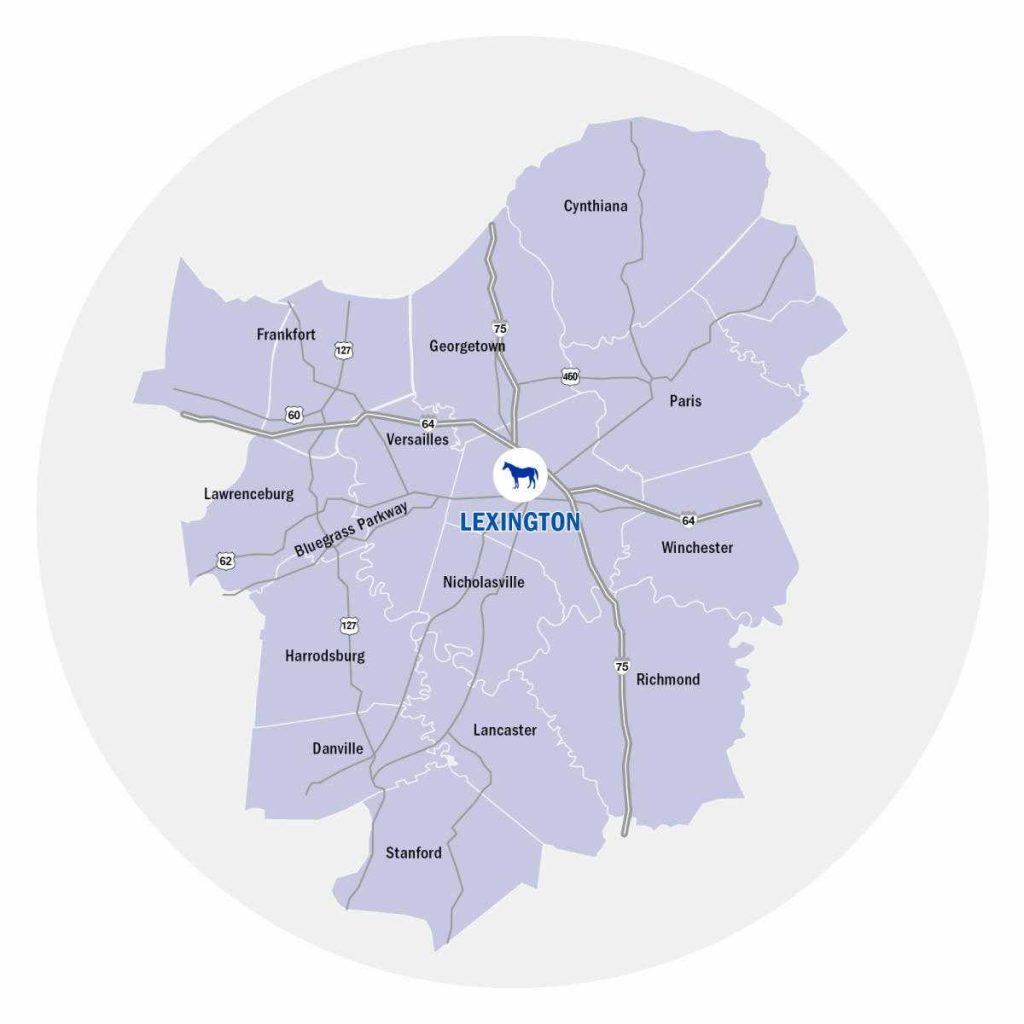
The Bluegrass Region of Kentucky is a charming blend of rolling hills, historic towns, and world-renowned horse farms—a true gem for visitors and locals alike. This area is famous for its lush bluegrass pastures, which give it a distinctive beauty and make it a hub for horse breeding and racing. In essence, the Bluegrass region is the heart of Kentucky’s equestrian culture and scenic landscape, offering a unique glimpse into the state’s rich traditions and natural splendor. Whether you’re interested in visiting bourbon distilleries, exploring quaint towns, or experiencing top-tier horse racing, this region has something special to offer.
The Bluegrass region of Kentucky is an area known for its fertile soil, lush bluegrass pastures, and a deep connection to horse breeding and racing. It includes cities like Lexington and Versailles, which are home to historic sites, bourbon distilleries, and vibrant local culture. This region is celebrated for its scenic beauty, agricultural roots, and significance in Kentucky’s identity as the horse capital of the world.

What Is the Bluegrass Region of Kentucky?
The Bluegrass region of Kentucky is a special part of the state known for its lush pastures and beautiful landscapes. This area is famous for its rich soil that makes it perfect for growing crops and raising animals. People also recognize it for its unique culture and history that set it apart from other parts of Kentucky.
Geography and Location of the Bluegrass Region
The Bluegrass region covers mostly the central part of Kentucky. It stretches across several counties, including Fayette, Bourbon, Jessamine, and Woodford. The landscape features rolling hills, open fields, and small forests that give it a picturesque appearance.
This region is centered around Lexington, often called the “Horse Capital of the World.” The area’s natural features, such as limestone bedrock, help create the fertile soil for farming and horse breeding.
What Makes the Bluegrass Soil Unique?
The soil in the Bluegrass region is known as “Bluegrass soil” because of its bluish hue when viewed from afar. This soil is rich in limestone, which provides essential nutrients for plants.
Such soil allows for healthy grass growth, making it ideal for pasture land and horse farms. The high fertility of this soil also supports growing crops like corn, soybeans, and tobacco.
The Famous Bluegrass Music and Culture
In addition to farming, the Bluegrass region is famous for its music style called “bluegrass.” This genre combines elements of country, folk, and blues, creating lively and soulful sounds. Artists like Bill Monroe helped popularize bluegrass music nationally.
People in the region celebrate their culture through festivals, music shows, and traditional crafts. The warm community spirit is a big part of what makes the Bluegrass region special.
Horse Breeding and Racing
The Heart of the Horse Industry
The Bluegrass region is world-renowned for horse breeding, especially Thoroughbreds. Lexington is home to many famous horse farms where top-quality racehorses are born and raised.
Major breeding centers like Ashford Stud and Claiborne Farm have produced multiple Kentucky Derby winners. The area’s perfect climate and rich soil make it a prime location for raising healthy, fast horses.
Historic Horse Racing Tracks
The region hosts some of the oldest and most prestigious horse racing tracks in the United States. Keeneland Race Course in Lexington is known for its beautiful setting and important racing events.
These tracks attract visitors from all over the world who come to see thrilling races and bet on their favorite horses. The horse industry significantly contributes to the local economy and culture.
Farming in the Bluegrass Region
Crops Grown in the Area
Farming has been a mainstay of the Bluegrass region for centuries. Farmers here grow crops like corn, soybeans, wheat, and tobacco, which thrive in the fertile soil.
Farmers also raise livestock such as cattle, sheep, and goats, taking advantage of the open pastures available throughout the region.
Historical Farming Practices
Traditional methods of farming have been passed down through generations. Many farms still use age-old techniques alongside modern technology to maximize productivity.
Farmers in the Bluegrass region often participate in farmers’ markets, selling fresh produce and homemade goods directly to customers.
Tourism and Historical Landmarks
Popular Tourist Destinations
The Bluegrass region draws visitors eager to experience its scenic beauty and rich history. Visitors often tour the horse farms, museums, and historic sites scattered throughout the area.
Lexington’s downtown area offers arts, shopping, and dining options that reflect the region’s lively culture. The Bluegrass Region also hosts annual festivals celebrating music, agriculture, and heritage.
Historic Sites and Landmarks
Several landmarks tell the story of the area’s history, including the Kentucky Horse Park and the Mary Todd Lincoln House. These sites provide insights into Kentucky’s past and its cultural significance.
Many of the old farms and buildings are preserved as museums or heritage sites, giving visitors a glimpse into life in the Bluegrass region long ago.
Climate and Environment
Weather Patterns
The Bluegrass region enjoys a mild climate with warm summers and cool winters. Rainfall is common, helping keep the landscape lush and green throughout the year.
This climate is perfect for farming, supporting the growth of grasses, crops, and forests.
Environmental Conservation
Efforts are underway to protect the region’s natural beauty and soil quality. Local organizations work to prevent erosion, conserve water, and promote sustainable farming practices.
Many farms and communities participate in environmental programs to maintain the region’s health and vitality for future generations.
Education and Community Life
Educational Institutions
The Bluegrass area is home to several colleges and universities known for agriculture, equine studies, and arts programs. The University of Kentucky is a leading institution in research and education.
These schools help foster innovation and support the local industry, especially horse breeding and farming.
Community Events and Activities
Residents enjoy numerous events such as county fairs, livestock shows, and music festivals. These gatherings strengthen community bonds and celebrate regional traditions.
Volunteer groups, clubs, and churches also play vital roles in shaping the friendly, welcoming atmosphere of the Bluegrass region.
Related Topics
- History of Kentucky Bluegrass Music
- The Rise of Thoroughbred Racing in Kentucky
- Farming Techniques in Bluegrass Agriculture
- Tourist Guides to Lexington and Surrounding Areas
- Environmental Efforts in Kentucky’s Rural Regions
Understanding what makes the Bluegrass region of Kentucky unique involves exploring its geography, culture, economy, and natural beauty. This region remains a vital part of Kentucky’s identity, blending tradition with modern life effortlessly.
"Tourism Works for Kentucky's Bluegrass Region"
Frequently Asked Questions
What are the main characteristics of the Bluegrass region in Kentucky?
The Bluegrass region is known for its fertile soil, lush rolling hills, and extensive horse farms. It features a climate conducive to agriculture, especially horse breeding and crop cultivation. The area also boasts vibrant towns and a rich cultural heritage rooted in music, history, and Southern traditions.
How does the Bluegrass region influence Kentucky’s economy?
The Bluegrass plays a vital role in Kentucky’s economy through its thriving horse industry, including breeding, training, and racing activities. Agriculture, particularly tobacco, corn, and livestock farming, also contributes significantly. Additionally, tourism centered around horse farms, festivals, and historical sites generates substantial revenue for the area.
What makes the Bluegrass region unique compared to other parts of Kentucky?
The Bluegrass stands out due to its distinctive landscape of rolling pastures and its deep connection to the equine industry. Its cultural traditions, including bluegrass music and historic towns, add to its uniqueness. The region’s blend of natural beauty and economic focus on horse-related activities creates a character that differs from other areas in Kentucky.
Are there notable towns or cities within the Bluegrass region?
Yes, cities like Lexington and Bardstown serve as cultural and economic hubs within the Bluegrass. Lexington, often called the “Horse Capital of the World,” hosts numerous equine events and has a vibrant downtown. Bardstown is known for its bourbon heritage and charming historic district, attracting many visitors each year.
What types of outdoor activities can visitors enjoy in the Bluegrass region?
Visitors can explore scenic horse farms, go horseback riding through rolling hills, and hike along beautiful trails. The region also offers opportunities for fishing, boating, and enjoying outdoor festivals. Its lush landscape provides ample space for outdoor enthusiasts to connect with nature and local traditions.
Final Thoughts
The bluegrass region of Kentucky is renowned for its lush pastures and vibrant musical heritage. It includes areas like Lexington and surrounding counties, known for horse farms and scenic beauty.
This region’s rich history and cultural significance attract many visitors and residents alike.
In conclusion, what is the bluegrass region of Kentucky? It is a distinctive area celebrated for its pastoral landscapes and cultural vibrancy, making it a unique part of the state.