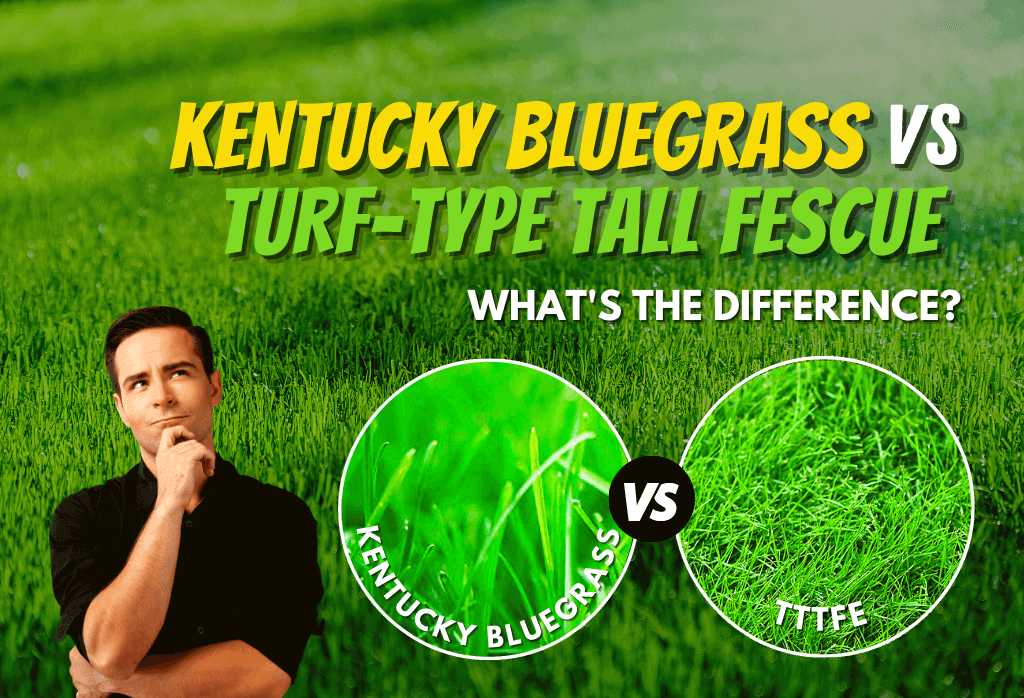
Kentucky bluegrass and tall fescue are two popular grass types often chosen for lawns and outdoor spaces, but they have distinct differences. Kentucky bluegrass is known for its fine texture and lush, dark green appearance, thriving in cooler climates. Tall fescue, on the other hand, is coarser, more drought-tolerant, and adaptable to a wider range of soil conditions. The main difference lies in their growth habits, appearance, and maintenance needs, making each suitable for different environments and preferences. Understanding these key differences can help you select the best grass for your yard’s climate and your lifestyle, ensuring a beautiful, healthy lawn.
If you’re trying to decide between Kentucky bluegrass and tall fescue, consider your climate, soil type, and how much maintenance you’re willing to do. Kentucky bluegrass provides a soft, dense turf ideal for cooler regions but requires more water and care. Tall fescue is more resilient and drought-tolerant, making it suitable for warmer or drier areas with less frequent watering. Knowing these points can guide you in choosing the perfect grass for your outdoor space.
When it comes to lawn choices, many homeowners find themselves stuck between Kentucky bluegrass and tall fescue, wondering which is better for their needs. Both grasses have unique qualities that cater to different climates and lifestyles, so understanding their differences is key to making an informed decision. Kentucky bluegrass is prized for its fine texture and vibrant green color, while tall fescue offers durability and drought resistance. Selecting the right grass depends on your regional weather, soil conditions, and how much upkeep you’re prepared for, ensuring your lawn remains healthy and attractive year-round.

What is the Difference Between Kentucky Bluegrass and Tall Fescue
Introduction to Kentucky Bluegrass and Tall Fescue
Kentucky bluegrass and tall fescue are two popular grass types used for lawns, parks, and sports fields. Each has unique characteristics that make it suitable for different environments and maintenance routines. Understanding their differences helps homeowners and landscapers choose the right grass for their needs.
Botanical and Botanical Differences
Kentucky bluegrass (Poa pratensis) is a cool-season grass that belongs to the Poaceae family. It has fine-textured leaves and forms dense, lush patches. Tall fescue (Festuca arundinacea) is also a cool-season grass, but it features broader leaves and is known for its deep root system. These botanical differences influence how each grass grows and responds to environmental factors.
Growth Habits and Appearance
Kentucky bluegrass grows in tight, rounded clumps with fine blades, giving lawns a smooth, soft look. It spreads through rhizomes, enabling it to fill in bare spots quickly. Tall fescue grows in bunches with wider blades, creating a coarser texture on the lawn. It spreads slowly through tillers but has a more upright habit, making it look more open compared to Kentucky bluegrass.
Climate and Temperature Tolerance
Both grasses thrive in cooler temperatures, but Kentucky bluegrass prefers slightly cooler climates. It performs best in regions with cold winters and moderate summers. Tall fescue can tolerate heat and drought better, making it suitable for areas with warmer summers or less consistent water supply.
Sunlight and Shade Tolerance
Kentucky bluegrass needs full sunlight to thrive but can tolerate some shade. Its lush growth may decline in heavily shaded areas. Tall fescue adapts well to shaded spots and can grow in areas with less sunlight, making it more versatile for different yard conditions.
Watering Needs and Drought Resistance
Kentucky bluegrass requires regular watering to keep its lush appearance, especially during hot, dry periods. It is less drought-tolerant compared to tall fescue. Tall fescue has a deep root system that makes it more resistant to drought, allowing it to survive in areas with less frequent watering.
Soil Preferences and Adaptability
Kentucky bluegrass prefers well-draining, fertile soils with a pH around 6.0 to 7.0. It does not adapt well to compacted or poor soil conditions. Tall fescue is more adaptable and can grow in a wider range of soil types, including soils with lower fertility or slightly higher pH levels.
Maintenance and Mowing Requirements
Kentucky bluegrass needs regular mowing to keep its fine blades at a height of 2.5 to 3 inches. It benefits from frequent watering and fertilization. Tall fescue requires less frequent mowing, usually around 3 to 4 inches, and is more tolerant of less optimal conditions, reducing overall maintenance efforts.
Disease and Pest Resistance
Kentucky bluegrass is susceptible to diseases such as dollar spot and leaf spot if not properly maintained. It can also suffer from insects like chinch bugs. Tall fescue exhibits greater resistance to pests and diseases due to its thicker, broader leaves and robust root system, making it more resilient with less chemical intervention.
Durability and Foot Traffic Tolerance
Tall fescue is known for its high tolerance to heavy foot traffic, making it ideal for sports fields or play areas. Kentucky bluegrass, while resilient, tends to become damaged more easily under constant activity, requiring more care to maintain its appearance and health.
Cost and Establishment Time
Establishing a Kentucky bluegrass lawn may be more costly and time-consuming, as it often requires specialized seed or sod and frequent maintenance during establishment. Tall fescue is generally easier to establish, with faster germination and growth rates, and tends to be more cost-effective in the long run.
Environmental Impact and Sustainability
Tall fescue’s drought resistance means it can reduce water consumption, making it a more sustainable choice for water-conscious areas. Kentucky bluegrass’s high water and fertilization needs can lead to increased environmental stress if not managed properly.
Summary Table: Comparing Kentucky Bluegrass and Tall Fescue
| Feature | Kentucky Bluegrass | Tall Fescue |
|---|---|---|
| Growth Habit | Rhizomes, dense, fine texture | Bunch-type, coarser blades |
| Climate Tolerance | Cooler climates, moderate summers | Warmer summers, drought tolerant |
| Sunlight Needs | Full sun, some shade tolerated | Flexible, tolerates more shade |
| Water Requirements | High, needs regular watering | Lower, drought resistant |
| Soil Preference | Fertile, well-draining soils | More adaptable to various soils |
| Maintenance | Frequent mowing, watering, fertilization | Lower mowing frequency, less maintenance |
| Resilience to Pests/Diseases | More susceptible | More resistant |
| Traffic Tolerance | Moderate | High |
| Cost and Time to Establish | Higher, requires time and care | Lower, faster germination |
Choosing Between Kentucky Bluegrass and Tall Fescue
Deciding which grass to plant depends on your location, climate, and how you use your lawn. For areas with abundant water and cooler weather, Kentucky bluegrass provides a dense, attractive turf. If you seek low-maintenance, drought-tolerant grass that can handle foot traffic, tall fescue is an excellent choice.
Both Kentucky bluegrass and tall fescue have their advantages and limitations. Understanding their differences helps you tailor your lawn care to suit your environment and personal preferences. Proper selection results in a healthy, attractive lawn that meets your needs for years to come.
Kentucky Bluegrass vs. Tall Fescue
Frequently Asked Questions
How do the growth habits of Kentucky bluegrass compare to tall fescue?
Kentucky bluegrass tends to grow in dense, spreading mats through rhizomes, creating a lush and uniform appearance. It has a slow to moderate growth rate and prefers cooler temperatures. Tall fescue, on the other hand, develops bunch-type growth without spreading as aggressively, resulting in a coarser texture. Its growth rate is generally faster, especially during cooler months, making it suitable for those needing quick coverage.
What are the differences in drought tolerance between Kentucky bluegrass and tall fescue?
Tall fescue exhibits higher drought tolerance due to its deep root system, which allows it to access water from deeper soil layers. Kentucky bluegrass is less drought-resistant and requires more frequent watering to maintain its lush appearance. This difference makes tall fescue a better choice for areas prone to dry conditions or water restrictions.
How do these grasses perform in different soil types?
Kentucky bluegrass prefers well-drained, fertile soils and responds well to rich organic matter. It struggles in compacted or poor-draining soils. Tall fescue adapts better to a variety of soil conditions, including heavier clay soils and less fertile ground. Its resilient root system enables it to thrive where Kentucky bluegrass might struggle.
What common maintenance practices differ between Kentucky bluegrass and tall fescue?
Kentucky bluegrass typically requires frequent mowing at higher heights, regular overseeding, and consistent watering to maintain its dense, green appearance. Tall fescue, with its tougher blades and deeper roots, needs less frequent mowing and can handle lower fertility soils with less supplemental watering. Its maintenance demands are generally lower than those of Kentucky bluegrass.
In what climates or environments do these grasses perform best?
Kentucky bluegrass performs best in cooler, humid climates with moderate rainfall, making it ideal for northern regions. Tall fescue adapts well to both cool and transitional zones, thriving in areas with hot summers and dry periods. Its adaptability allows it to succeed across a broader range of environmental conditions.
Final Thoughts
What is the difference between kentucky bluegrass and tall fescue? Kentucky bluegrass creates a dense, lush lawn ideal for cooler climates and requires regular watering. Tall fescue withstands drought better and adapts to various soil conditions, making it low-maintenance.
Kentucky bluegrass offers a fine texture and vibrant color but needs frequent care. Tall fescue has a coarser look and remains resilient with less water and fertilizer.
In conclusion, when comparing kentucky bluegrass and tall fescue, each has unique benefits suited to specific needs.