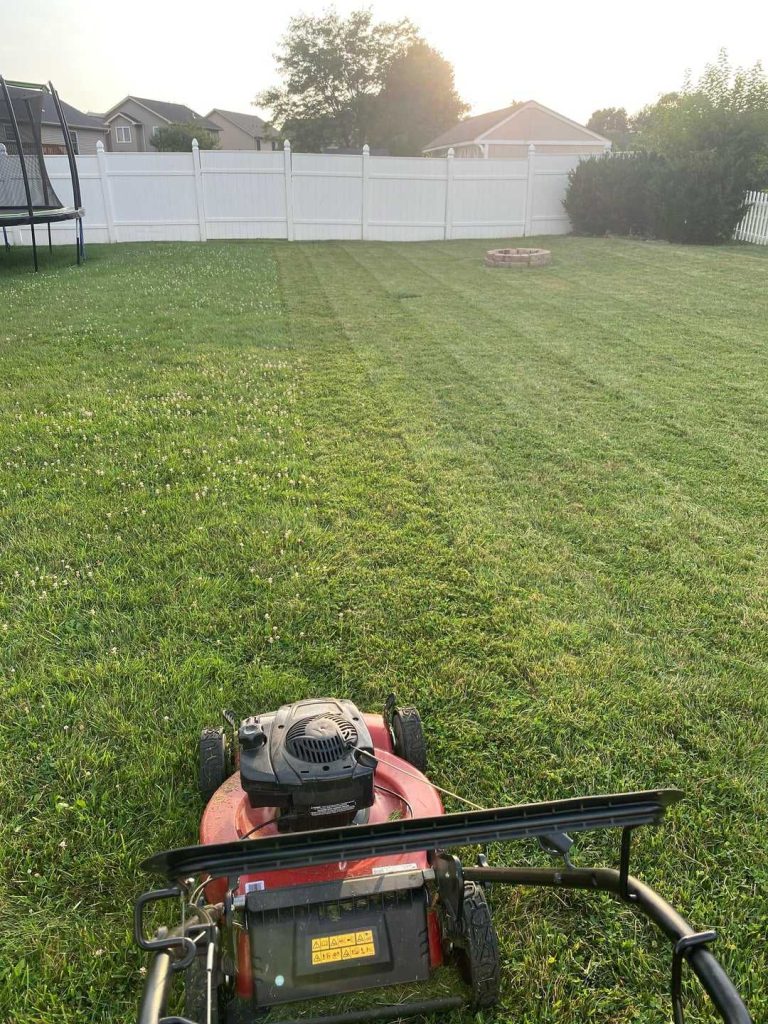
For a lush, healthy Kentucky Bluegrass lawn, mow it about once a week during the growing season. Adjust frequency based on grass growth rate, trimming only the top third of the grass each time. Consistent mowing encourages dense, vigorous turf that withstands weeds and drought.
In general, Kentucky Bluegrass should be mowed once a week during peak growing periods in spring and fall. During slower growth times in summer or winter, cut back on frequency to prevent stressing the grass. Proper mowing not only keeps your lawn looking pristine but also promotes strong root development and overall health. With the right schedule, you’ll enjoy a vibrant, photo-worthy lawn that’s both beautiful and resilient.
Keeping your Kentucky Bluegrass looking its best requires understanding its growth patterns. As a cool-season grass, it thrives in spring and fall, growing rapidly during these periods. Mowing too often can weaken the grass, while infrequent cuts can lead to thatch buildup and uneven growth. Finding the right balance—typically weekly during peak growth—ensures your lawn remains green, dense, and healthy. Remember to set your mower blades high enough to avoid scalping, and always keep your mower sharp for a clean cut. Happy mowing!

How Often to Mow Kentucky Bluegrass: A Complete Guide
Knowing the right mowing schedule for Kentucky Bluegrass keeps your lawn healthy and looking great. Proper mowing prevents pests, encourages dense growth, and maintains an even, lush appearance. This guide will cover everything you need to know about how often to mow Kentucky Bluegrass.
Understanding Kentucky Bluegrass Growth Patterns
Kentucky Bluegrass thrives in cooler climates and has a distinct growth pattern. It tends to grow actively during spring and fall, with slower growth in summer. Recognizing its growth cycle helps determine the best mowing frequency.
During peak growth periods, your lawn needs more frequent mowing to keep it at the optimal height. In contrast, during dormancy or slower growth phases, less mowing is necessary. Monitoring your lawn’s appearance is key to adjusting your mowing schedule.
The Ideal Mowing Height for Kentucky Bluegrass
The recommended mowing height for Kentucky Bluegrass is generally between 1.5 to 2.5 inches. Keeping the grass within this range promotes healthy root development and weed suppression. Mowing too short can weaken the grass, while cutting it too high may lead to thatch buildup.
Use a sharp mower blade to ensure clean cuts, which reduces stress on the grass. Regularly checking the height and adjusting your mower accordingly is essential for maintaining a beautiful lawn.
How Often Should You Mow Kentucky Bluegrass?
During Peak Growing Seasons
In spring and fall, Kentucky Bluegrass grows rapidly. During these months, mowing every 5 to 7 days is typically ideal. This schedule prevents the grass from becoming too tall and keeps it healthy.
If your lawn experiences a lot of rain, growth can accelerate. In such cases, mowing frequency may need to increase slightly to prevent cutting more than one-third of the grass height at a time.
During Dormant or Slow Growth Periods
In summer or during drought conditions, Kentucky Bluegrass growth slows significantly. Mowing every 10 to 14 days may be enough during this period. Less frequent mowing helps avoid stressing the grass when it’s not actively growing.
Adjust your schedule based on lawn appearance and growth rate. If the grass stays under 2.5 inches without cutting, you can wait longer between mowings.
Factors Affecting Mowing Frequency
Weather Conditions
Temperatures, rainfall, and sunlight influence how fast Kentucky Bluegrass grows. Warm, moist conditions promote rapid growth, requiring more frequent mowing. Conversely, hot, dry weather leads to slower growth and less frequent cuts.
Grass Health and Lawn Use
A well-fed, healthy lawn grows more vigorously. High-traffic areas may need more regular mowing to keep the grass short and prevent damage. Proper fertilization supports consistent growth, which can inform your mowing schedule.
Grass Clipping Management
Leaving grass clippings on the lawn, known as grasscycling, can help nourish the soil. If you mow more frequently, clipping removal is easier and less noticeable. Regular mowing also prevents the buildup of thatch, which can hinder grass growth.
Best Practices for Mowing Kentucky Bluegrass
Set the Right Mower Height
Always keep your mower set within the recommended 1.5 to 2.5 inches. Cutting too short can lead to stress and drought susceptibility, while taller grass provides shade that conserves moisture.
Follow the One-Third Rule
Never remove more than one-third of the grass height in a single mowing session. This reduces stress and encourages healthy growth. For example, if the grass is 3 inches tall, mow down to 2 inches.
Keep Mower Blades Sharp
Sharp blades ensure clean cuts, reducing tearing and damage to grass blades. Dull blades can lead to ragged edges and increase vulnerability to disease.
Adjust Mowing Frequency Based on Growth Rate
Pay attention to how quickly your lawn grows each week. Increased growth warrants more frequent mowing, while slow growth allows for longer intervals.
Additional Tips for Maintaining a Healthy Kentucky Bluegrass Lawn
- Water properly: Deep, infrequent watering encourages strong roots.
- Fertilize appropriately: Use a fertilizers designed for cool-season grasses in fall and spring.
- Manage weed control: Maintain a healthy lawn to reduce weed invasion.
- Aerate in spring or fall: Improves soil drainage and nutrient absorption.
Seasonal Mowing Adjustments
Adjust your mowing schedule based on seasonal changes. Begin by mowing more frequently in early spring as growth accelerates, then reduce frequency as the lawn enters dormancy in winter.
Significance of Proper Mowing in Lawn Health
Consistent, correct mowing enhances turf density and color. It discourages pests and diseases by preventing grass from becoming overgrown or stressed.
Common Mistakes to Avoid
- Mowing too short: Can weaken the grass and promote weeds.
- Waiting too long between mowings: Leads to scalping and uneven appearance.
- Using dull blades: Causes tearing and stress.
- Cutting more than one-third of height at once: Results in lawn stress and damage.
Summary of Key Points
| Season | Growth Pattern | Recommended Mowing Frequency |
|---|---|---|
| Spring and Fall | Rapid growth | Every 5 to 7 days |
| Summer (drought or heat) | Slow growth | Every 10 to 14 days |
| Winter (dormant) | Minimal growth | As needed or none |
Consistently mowing your Kentucky Bluegrass at the proper height and frequency creates a lush, healthy lawn that is resistant to weeds and pests. Regular lawn maintenance tailored to the season and growth patterns ensures your yard remains attractive year-round.
Kentucky Bluegrass Care | DoMyOwn.com
Frequently Asked Questions
What factors influence the mowing frequency of Kentucky bluegrass?
The growth rate of Kentucky bluegrass depends on several factors, including weather conditions, soil fertility, and watering habits. During warm, rainy periods, the grass tends to grow faster and may require more frequent mowing. Conversely, in cooler or drier conditions, growth slows down, and less frequent mowing is necessary. Maintaining optimal soil nutrients and watering properly helps control growth rates and determines how often you should mow.
How does the season affect how often I should mow Kentucky bluegrass?
In the active growing season, typically spring and early summer, Kentucky bluegrass may need mowing once a week to keep it healthy and neat. In late summer and fall, growth slows, and you might only need to mow every two weeks or when the grass reaches a certain height. During winter dormancy, mowing is generally unnecessary unless there’s an unusual warm spell that stimulates growth.
What mowing height should I aim for with Kentucky bluegrass?
It is best to mow Kentucky bluegrass to a height of about 2.5 to 3.5 inches. Regular mowing at this height encourages dense growth, reduces weed infiltration, and minimizes stress on the turf. By maintaining this mowing height, you can also prevent the grass from becoming too tall and needing frequent cuts, which helps in determining the optimal frequency for your yard.
How can I avoid over-mowing my Kentucky bluegrass?
Avoid cutting more than one-third of the grass height at a time to prevent stressing the turf. Over-mowing can weaken the grass, making it more susceptible to pests and diseases. Monitoring the grass height regularly helps you decide when to mow, ensuring you trim it only when necessary and maintain a healthy, vibrant lawn.
Should I mow more frequently when the grass is actively growing?
Yes, during periods of rapid growth, such as spring and early summer, mowing weekly keeps the grass manageable and promotes healthy development. Consistent mowing also encourages the turf to grow denser, which helps in controlling weeds and maintaining an even appearance. Adjust your mowing schedule based on the actual growth rate observed in your yard.
Final Thoughts
How often to mow Kentucky bluegrass depends on its growth rate and the season. During peak growing periods, typically spring and fall, mow once a week to keep the grass healthy and neat. In cooler summer months, you can extend the interval slightly if growth slows.
Regular mowing encourages dense, healthy turf and prevents diseases. Always avoid cutting more than one-third of the grass height at a time to promote strong roots and lush growth.
In conclusion, maintaining a consistent mowing schedule tailored to Kentucky bluegrass’s growth will keep your lawn vibrant. Mow as needed, but generally, how often to mow Kentucky bluegrass should be about once a week during active growth periods.