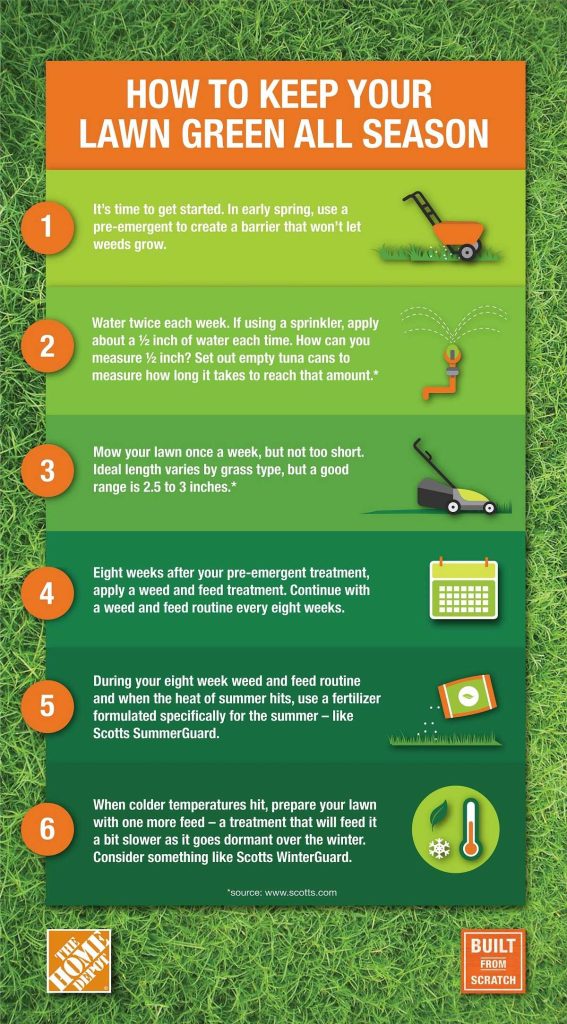
The best way to keep grass green is to ensure it gets consistent watering, proper fertilization, and regular mowing. These key practices help maintain healthy, lush grass that stays vibrant all season long. Addressing soil quality and managing pests also play vital roles in achieving a beautiful, green lawn.
Keeping your lawn green can sometimes feel like a chore, but it’s all about creating the right environment for your grass to thrive. Whether you’re battling drought or trying to outsmart weeds, knowing the best practices makes all the difference. Proper watering ensures your grass stays moist without drowning its roots, while fertilization provides essential nutrients for growth and health. Regular mowing not only keeps your lawn looking neat but also stimulates stronger, greener blades. By paying attention to soil health and pest control, you’ll create an ideal habitat for your grass to flourish, resulting in a vibrant, inviting yard that’s the envy of the neighborhood.

What is the Best Way to Keep Grass Green
Understanding What Makes Grass Green
Grass stays green because of a pigment called chlorophyll. Chlorophyll helps grass absorb sunlight and turn it into energy. When grass has enough nutrients, water, and sunlight, it stays lush and vibrant. Without these elements, grass can turn yellow or brown.
The Importance of Proper Watering
Proper watering is key to keeping grass green. Grass needs about one to one and a half inches of water each week. It’s best to water deeply and infrequently to encourage deep roots. Early morning is the ideal time to water because it reduces evaporation and fungi growth.
Signs You’re Overwatering or Underwatering
- If the grass feels soggy and the soil is muddy, you are watering too much.
- If the grass turns yellow or wilted, it might need more water.
Adjust your watering schedule accordingly for healthy, green grass.
Feeding Your Lawn with Fertilizer
Fertilizing provides the nutrients grass needs to stay healthy. The main nutrients are nitrogen, phosphorus, and potassium. Nitrogen helps grass grow lush and green, so use a fertilizer high in nitrogen during the growing season.
Choosing the Right Fertilizer
- Use a balanced fertilizer with equal parts nitrogen, phosphorus, and potassium for general health.
- Apply fertilizer in early spring, summer, and fall for best results.
- Avoid over-fertilizing which can burn grass or lead to pollution.
Read the label carefully and follow the recommended application rates.
Aerating and Dethatching for Better Growth
Compacted soil can hinder grass roots from getting air, water, and nutrients. Aerating involves making small holes in the soil to alleviate compaction. Dethatching removes thatch, a layer of organic matter that builds up between grass and soil.
Benefits of Aeration and Dethatching
- Improves water and nutrient absorption.
- Encourages healthy root development.
- Reduces thatch buildup which causes yellow patches.
Perform aeration and dethatching at least once a year for healthier grass.
Managing Pests and Diseases
Pests like grubs and diseases such as rust or brown patch can turn grass yellow or dead. Regular monitoring is essential to catch problems early. Use targeted treatments like natural predators or specific pesticides carefully to avoid harming beneficial insects or the environment.
Preventive Measures
- Keep the lawn healthy with proper watering and fertilization.
- Remove debris and diseased grass to prevent pests and fungi.
- Apply preventative fungicides if your lawn has a history of disease.
Proper Mowing Techniques
Mowing height affects grass health and color. Cutting grass too short stresses it and leads to yellow patches. Maintain a mowing height appropriate for your grass type—typically about two and a half to three inches.
Mowing Tips for a Lush Lawn
- Never cut more than one-third of the grass height at a time.
- Keep mower blades sharp to avoid tearing grass blades.
- Leave grass clippings on the lawn to provide natural nutrients.
Managing Soil pH and Testing
Grass prefers a soil pH between 6.0 and 7.0. Test your soil regularly to check pH levels. If the soil is too acidic or alkaline, add lime or sulfur to adjust pH accordingly.
Why Soil Testing Matters
- Helps determine necessary amendments for optimal grass growth.
- Prevents nutrient deficiencies or toxicities.
- Ensures your fertilization efforts are effective.
Use DIY testing kits or hire a professional for precise analysis.
Choosing the Right Grass Type for Your Area
Different grass types thrive in various climates and soil conditions. Selecting a suitable grass kind makes maintaining a green lawn easier.
Common Grass Types
- Cool-season grasses like Kentucky bluegrass and fescues work well in cooler climates.
- Warm-season grasses like Bermuda and Zoysia are better for hotter areas.
Consult local experts or extension services to find the best type for your region.
Seasonal Lawn Care Tips
Lawn care varies throughout the year. For a consistent green lawn, adjust your routine based on the season.
Spring and Summer
- Begin fertilizing early in spring with a nitrogen-rich fertilizer.
- Increase watering during hot months.
- Mow regularly but avoid cutting too short.
Fall and Winter
- Reduce fertilization as growth slows.
- Continue watering during dry spells.
- Clear fallen leaves to prevent disease.
Additional Tips for a Perfect Lawn
- Overseed bare patches in early fall for quicker recovery.
- Keep foot traffic limited to prevent soil compaction.
- Use mulch or compost to improve soil health naturally.
Summary of Key Practices for Green Grass
| Practice | Benefit |
|---|---|
| Watering deeply and infrequently | Encourages strong root growth |
| Regular fertilization | Provides essential nutrients for vibrant color |
| Aerating and dethatching | Improves soil and root health |
| Mowing at proper height | Maintains healthy, dense grass |
| Addressing pests and diseases early | Prevents damage and discoloration |
To keep your lawn green and lush, focus on consistent care and proper maintenance. Each step from watering to soil testing plays a vital role in achieving a beautiful, healthy yard. Regular attention and a tailored approach based on your climate and soil conditions will give you the best results.
How to Keep Grass Green: Lawn Care Tips
Frequently Asked Questions
How can proper watering help maintain a vibrant green lawn?
Watering your grass deeply and infrequently encourages strong root growth, making the grass more resilient and lush. Aim to water early in the morning to reduce evaporation and prevent fungal diseases. Consistent moisture levels throughout the growing season help keep the grass uniformly green and healthy.
What role does soil health play in keeping grass vibrant?
Healthy soil provides essential nutrients and proper drainage, which are critical for green, vigorous grass. Regularly aerate your lawn to improve air circulation and add organic matter or compost to boost soil fertility. Testing your soil helps identify deficiencies and guides you to amend it effectively for optimal grass growth.
How does mowing frequency and height influence grass color?
Keeping your mower blades sharp and cutting at the recommended height for your grass type promotes a thicker, greener lawn. Taller grass shades the soil, conserves moisture, and reduces weed growth. Avoid cutting more than one-third of the grass blade at a time to prevent stress and maintain vibrant color.
What are some effective fertilization practices for a greener lawn?
Applying the right type and amount of fertilizer at appropriate intervals supplies essential nutrients that support lush growth. Use a balanced fertilizer rich in nitrogen, especially during the active growing season. Follow label instructions carefully to avoid over-fertilization, which can harm the grass and the environment.
How does weed control impact the overall health of a lawn?
Managing weeds prevents competition for nutrients, water, and sunlight, allowing your grass to thrive and retain its vibrant green color. Use targeted herbicides or organic weed control methods to keep weeds at bay. Regular lawn maintenance, including overseeding and proper watering, also reduces weed invasion.
Final Thoughts
The best way to keep grass green involves regular watering, proper mowing, and fertilization. Water deeply and infrequently to promote strong roots. Mow at the correct height to prevent stress and disease. Use balanced fertilizer to supply essential nutrients.
Consistent care and attention are key to maintaining lush, vibrant grass. By following these steps, you can enjoy a healthy lawn year-round.
What is the best way to keep grass green? Focus on consistent watering, mowing, and fertilization for optimal results.