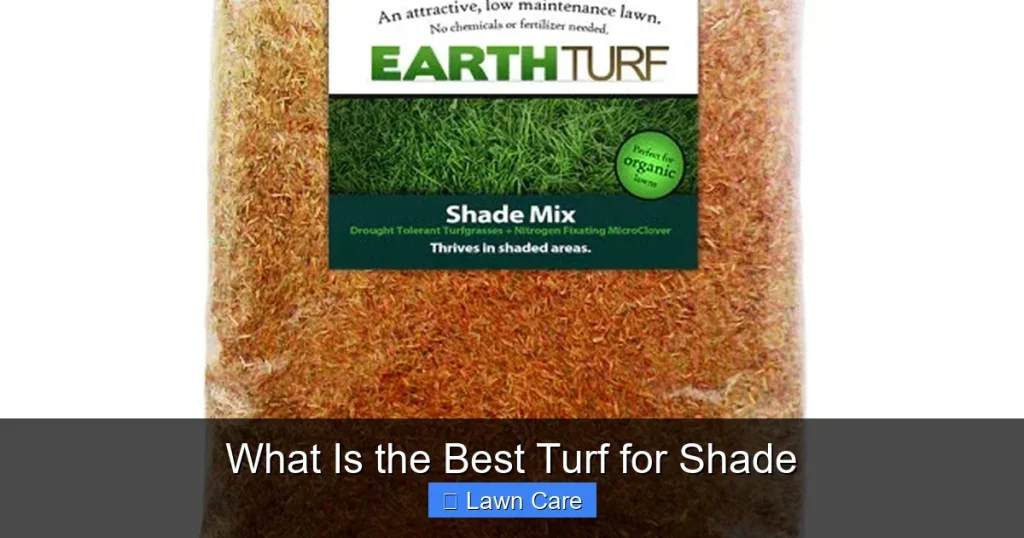
Struggling with a shady lawn? Don’t worry, you can still have a beautiful green space! The best turf for shade is resilient and can tolerate lower light conditions. We’ll explore top grass varieties and essential care tips to help your shaded lawn flourish.
Having a beautiful, green lawn is a dream for many homeowners. But what happens when your yard is covered in shade for most of the day? Don’t despair! It’s a common challenge, but with the right knowledge and the best turf for shade, you can still achieve a stunning outdoor space. Many people assume that a lush lawn is only possible in full sun, but that’s simply not true. Understanding which grass types are best suited for these less-than-ideal conditions is the first step to success.
Choosing the right turf is paramount for a shady lawn. Unlike their sun-loving counterparts, shade-tolerant grasses have evolved to make the most of limited sunlight. They often have finer blades, lighter green coloration, and slower growth rates, which are all adaptations to help them survive and thrive where sun-loving grasses would struggle. This article will guide you through selecting the best turf for your shady spots and provide you with the essential care tips to keep it looking its best.
- Shade-tolerant grasses are essential: Not all turf varieties can survive with limited sunlight. Look for those specifically bred for low-light conditions.
- Cool-season grasses often excel in shade: Many fine fescues and some ryegrasses are excellent choices for shadier areas.
- Warm-season grasses have limited shade options: While some can tolerate dappled shade, most require full sun.
- Soil health is crucial: Shaded areas can retain more moisture, so good drainage and healthy soil are vital for preventing disease. Consider improving soil with amendments if needed.
- Mowing height matters: Taller grass blades in shady areas can help capture more sunlight. Follow recommended mowing heights for your chosen grass type.
- Watering needs differ: Shaded areas usually dry out slower, so adjust your watering schedule to prevent overwatering and potential fungal issues.
- Fertilization needs careful consideration: While shade-tolerant grasses need nutrients, they typically require less than sun-loving varieties.
Quick Answers to Common Questions
What is the most shade-tolerant grass type?
Fine fescues, such as creeping red fescue, Chewings fescue, and hard fescue, are generally considered the most shade-tolerant grass types available for lawns.
Can I plant any grass in full shade?
It’s very difficult to establish and maintain any type of grass in full shade. Even the most shade-tolerant varieties will struggle with very little to no direct sunlight. Consider ground covers or alternative landscaping for these areas.
How does shade affect grass growth?
Shade reduces the amount of sunlight available for photosynthesis, leading to slower growth, thinner blades, weaker root systems, and increased susceptibility to diseases due to slower drying times.
Should I water my shady lawn more or less than a sunny lawn?
You should water your shady lawn less frequently than a sunny lawn. Shaded areas retain moisture longer, and overwatering can lead to fungal diseases. Water deeply but infrequently, allowing the soil to dry slightly between waterings.
How high should I mow grass in a shady lawn?
You should mow grass in shady lawns higher than you would in sunny areas. Taller grass blades can better capture the limited sunlight available for photosynthesis. Leave the grass at the upper end of its recommended mowing height.
📑 Table of Contents
Understanding Shade and Your Lawn
Before diving into specific grass types, it’s important to understand what “shade” means in the context of your lawn. Not all shade is created equal. There’s a significant difference between full shade, partial shade, and dappled shade.
Types of Shade
* Full Shade: This is the most challenging condition, where sunlight rarely, if ever, reaches the ground directly. Think under dense evergreen trees or on the north side of a tall building. In these areas, even the most shade-tolerant grasses will likely struggle to establish and maintain a healthy appearance.
* Partial Shade: This typically refers to areas that receive about 2 to 6 hours of direct sunlight per day. This can be morning sun, afternoon sun, or intermittent sun throughout the day. Many shade-tolerant grasses can do quite well in partial shade.
* Dappled Shade: This occurs under deciduous trees where sunlight filters through the leaves, creating shifting patterns of light and shadow. It’s generally less intense than direct sunlight but provides more light than full shade. Many grass types can tolerate dappled shade.
Why Shade is Tough for Grass
Grass is a plant, and like most plants, it needs sunlight for photosynthesis – the process of converting light energy into chemical energy for growth. When there’s less sunlight, there’s less energy available. This means:
* Slower Growth: Grass in shade grows more slowly.
* Thinner Blades: To maximize light absorption, blades might be finer and less dense.
* Weaker Root Systems: Reduced energy can lead to less robust root development.
* Increased Susceptibility to Disease: Shaded areas often stay damp longer, creating ideal conditions for fungal diseases.
* Competition: Tree roots and other plants in shady areas compete with grass for water and nutrients.
Top Grass Varieties for Shady Lawns
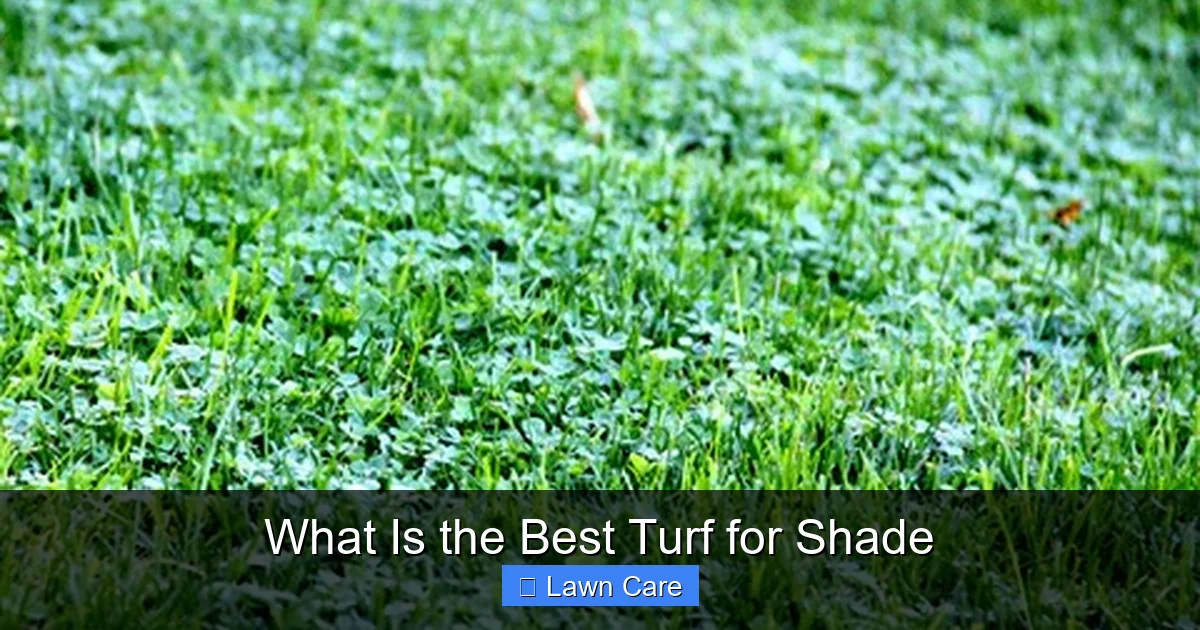
Visual guide about What Is the Best Turf for Shade
Image source: cdn.shopify.com
When selecting the best turf for shade, you’ll generally be looking at cool-season grasses, as they are typically more adaptable to lower light conditions than warm-season grasses. Here are some of the top performers:
Fine Fescues
Fine fescues are renowned for their exceptional shade tolerance and are often considered the gold standard for shady lawn areas. They have fine, needle-like blades and a deep root system that helps them access moisture.
* Creeping Red Fescue: This variety spreads via rhizomes, helping it fill in thin spots and create a dense mat. It’s very shade-tolerant and has good drought resistance once established.
* Chewings Fescue: Unlike creeping red fescue, this variety does not spread by rhizomes but forms dense clumps. It’s highly shade-tolerant and has an attractive dark green color.
* Hard Fescue: This fescue is extremely drought-tolerant and has excellent wear resistance for a fine fescue, making it suitable for moderate foot traffic in shaded areas. It’s also very shade-tolerant.
* Sheep Fescue: Known for its fine texture and excellent drought tolerance, sheep fescue is another good option for shady spots, especially in drier climates.
Tip: Fine fescues are often found in shade-tolerant grass seed blends. Look for a blend that contains a mix of these fine fescue varieties for the best overall performance.
Perennial Ryegrass
While not as shade-tolerant as fine fescues, certain varieties of perennial ryegrass can perform well in partial shade. They germinate quickly and establish rapidly, making them good for overseeding or filling in bare patches.
* Shade-Tolerant Perennial Ryegrass Cultivars: Look for specific cultivars that have been bred for improved shade tolerance. These often have finer blades and a darker green color. They can help fill in areas where fine fescues might be a bit sparse.
Note: Perennial ryegrass prefers more sun than fine fescues and may become thin or weak in deep shade. It’s best used in areas with at least 3-4 hours of sunlight per day.
Tall Fescue
Tall fescue is a more resilient and adaptable cool-season grass that offers moderate shade tolerance. While it performs best in full sun, newer, improved cultivars have significantly better shade tolerance than older varieties.
* Turf-Type Tall Fescue (TTTF): These newer varieties have finer blades, a deeper green color, and a more upright growth habit than traditional tall fescue. They can handle moderate shade (4-6 hours of sun) and are more drought-tolerant and disease-resistant than fine fescues.
Consideration: Tall fescue might not be the best choice for very deep shade. If your lawn receives less than 4 hours of direct sunlight, stick with fine fescues.
Other Possibilities (with caveats)
* **Some Zoysia Grass Varieties:** While primarily a sun-loving warm-season grass, some zoysia varieties (like Zeon Zoysia) show slightly better shade tolerance than others, but they still require a minimum of 3-4 hours of direct sunlight. They are not suitable for deep shade.
* **St. Augustine Grass (in specific regions):** In warmer climates, certain varieties of St. Augustine grass are known for their shade tolerance. For example, ‘Palmetto’ and ‘Seville’ St. Augustine grasses are good options for shady areas. You can learn more about the best St. Augustine grass for shade on our site.
Assessing Your Shade and Soil
Understanding your specific shade conditions and the quality of your soil is just as important as choosing the right grass.
Conduct a Shade Audit
Spend a day observing your yard. Note which areas get direct sunlight, for how long, and when. This will help you determine the type of shade and the best placement for different grass types or even alternative ground covers if an area is too dark for any grass.
Soil is Key in Shady Areas
Shaded areas often have different soil characteristics than sunny spots. They tend to stay cooler and moister, which can lead to compaction and poor drainage.
* **Drainage: If your shaded lawn is consistently waterlogged, you’ll need to address drainage issues. This might involve amending the soil with organic matter or using top dressing. For persistent problems, you might need to explore more involved solutions for clay soil lawns. The right soil can make a huge difference in overall lawn health.
* **Soil pH and Nutrients: Shady lawns often don’t require as much nitrogen as sunny lawns. However, they still need essential nutrients. Test your soil to understand its pH and nutrient levels. You can then select appropriate fertilizers. For example, if you have Bermuda grass, understanding what is the best fertilizer for Bermuda grass is crucial, but you’ll need to adjust application for shade.
* Aeration: Regularly aerating your lawn, especially in shaded areas, helps improve air circulation, water penetration, and nutrient uptake.
Care and Maintenance for Shady Lawns
Once you’ve chosen the best turf for shade and prepared your soil, proper care is essential for a healthy, resilient lawn.
Mowing Practices
Mowing height is particularly important for shady lawns.
* Mow Higher: Leave the grass blades longer in shady areas. Taller grass has more surface area to capture sunlight for photosynthesis. Aim for the higher end of the recommended mowing height for your chosen grass type. For example, if your grass can be mowed between 2-3 inches, opt for 3 inches in shady spots. Understanding the best grass height for mowing is key.
* Sharp Blades: Always use sharp mower blades to ensure a clean cut. Torn grass blades are more susceptible to disease, which is a greater concern in shady, damp environments.
* Mowing Frequency: Shady grass grows slower, so you may need to mow less often. Pay attention to the grass’s growth rate.
Watering Wisely
Overwatering is a common mistake in shady areas, leading to fungal diseases.
* Water Deeply and Infrequently: Encourage deep root growth by watering thoroughly but less often. Allow the soil to dry out slightly between waterings.
* Water in the Morning: This allows the grass blades to dry off during the day, reducing the risk of fungal infections. Avoid evening watering.
* Monitor Soil Moisture: Use a soil moisture meter or simply check the soil with your finger to gauge moisture levels rather than relying solely on a schedule. Shaded areas will dry out slower than sunny ones.
Fertilization Strategies
Shade-tolerant grasses generally require less fertilizer than those in full sun.
* Lower Nitrogen: Reduce the amount of nitrogen applied. Excessive nitrogen can lead to weak, lush growth that is more prone to disease and doesn’t fare well in low light.
* Timing is Important: Apply fertilizer in the fall and spring, following the recommendations for your specific grass type and climate. Consider a slow-release fertilizer to provide a steady stream of nutrients without causing a growth spurt. For Bermuda grass, while specific fertilizers are available, remember that its shade tolerance is limited.
* Soil Test: Again, a soil test is your best guide. It will tell you exactly what nutrients your lawn needs.
Weed Control
Weeds can be a persistent problem in struggling lawns, as they often outcompete weaker grass.
* Healthy Turf is the Best Defense: The best way to control weeds is to maintain a healthy, dense lawn. This is achieved through proper watering, mowing, and appropriate fertilization.
* Targeted Weed Killers: If weeds do appear, identify them and use a targeted weed killer. For Bermuda grass, you’ll want to know what is the best weed killer for Bermuda grass, but always check the product label to ensure it won’t harm your desired turf, especially in mixed-shade areas.
Dealing with Moss and Algae
Moss and algae thrive in damp, shady conditions and often indicate poor drainage or compacted soil.
* Improve Drainage: As mentioned, addressing drainage is crucial.
* Increase Sunlight: If possible, prune trees and shrubs to allow more light to reach the area.
* Aeration and Top Dressing: These practices can help improve soil structure and reduce moss and algae.
* Iron-Based Products: For stubborn moss, iron-based products can help kill it, but remember this is a symptom of the underlying issue.
When Grass Just Won’t Grow
In areas of deep, dense shade where even the most shade-tolerant grasses struggle, it might be time to consider alternatives.
* Ground Covers: Low-growing, shade-loving ground covers like vinca, hostas, or pachysandra can create an attractive, low-maintenance alternative to grass.
* Mulch Beds: Create attractive mulched areas with shade-tolerant plants, ferns, or ornamental grasses.
* Hardscaping: Patios, pathways, or decorative gravel areas can transform challenging shady spots into functional and beautiful outdoor living spaces.
Conclusion
Achieving a beautiful lawn in a shady area is definitely achievable with the right approach. The key lies in understanding the unique challenges of low-light environments and selecting the best turf for shade that is specifically adapted to those conditions. Fine fescues stand out as exceptional choices, offering resilience and adaptability. By combining the right grass selection with attentive care – including appropriate mowing, watering, and fertilization – you can cultivate a healthy, vibrant, and attractive green space, even in the shadiest corners of your yard. Remember, patience and consistent effort are your allies in creating the lawn of your dreams.
Frequently Asked Questions
What grass type is best for under large trees?
For areas under large trees that cast significant shade, fine fescues like creeping red fescue or Chewings fescue are excellent choices. These grasses are bred to tolerate lower light conditions and can compete better with tree roots for resources.
Can I overseed a shady lawn?
Yes, you can overseed a shady lawn, but it’s crucial to use a grass seed mix specifically designed for shade. Look for blends containing fine fescues and shade-tolerant ryegrass varieties to improve the density and health of your existing turf.
Will my lawn turn brown in shady areas?
A healthy, shade-tolerant lawn should not necessarily turn brown. However, if conditions are too extreme for the chosen grass, or if it’s suffering from disease or lack of water, it may turn brown. Ensuring the right grass and proper care are vital.
How much sun does a shade-tolerant grass need?
Shade-tolerant grasses typically need at least 2-4 hours of direct sunlight per day, often referred to as partial shade or dappled shade. Deep shade (less than 2 hours of direct sun) is very challenging for most grasses.
Is it normal for grass to be thin in shady spots?
It can be normal for grass to be thinner in shady spots compared to sunny areas, as growth is slower. However, if the thinning is severe, it may indicate that the grass type is not suitable for the light conditions, or there are underlying issues like poor soil or disease.
What is the best soil type for a shady lawn?
Shady lawns benefit from well-draining soil that is rich in organic matter. Improving drainage is often a priority, as shaded areas retain moisture. A good loamy soil with compost incorporated is ideal. You might want to explore options for the best soil type for healthy grass to help your shaded areas.