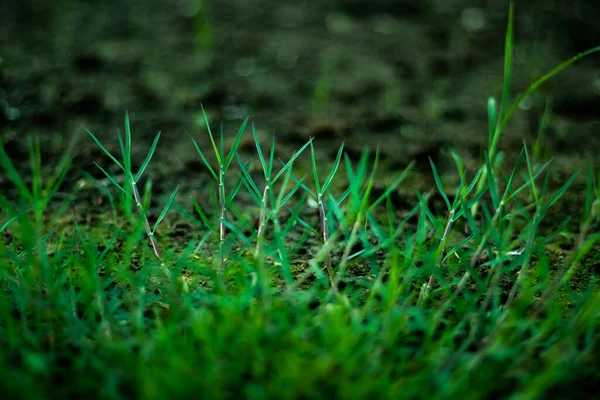
The best time to plant Bermuda grass is during the warm months, specifically in late spring to early summer when soil temperatures reach around 65°F to 70°F. This is when the grass is most likely to thrive and establish itself effectively. Choosing the right time is crucial for ensuring that your Bermuda grass has the best chance to grow lush and healthy. If planted too early or too late, the grass might struggle to take root or could be damaged by cooler temperatures. So, if you’re looking to create that vibrant lawn you’ve always wanted, mark your calendar for those sunny months ahead!
Bermuda grass is a popular choice for lawns because of its durability and lush appearance. Understanding the ideal planting time is key to achieving a green, thriving yard. Late spring to early summer, specifically between May and June, offers the perfect conditions for Bermuda grass to flourish. During this period, the soil warms up, allowing the grass to germinate and establish its roots properly. This warm weather also encourages quicker growth and a robust lawn, making it the ideal time for planting. Whether you’re starting fresh or overseeding, timing your Bermuda grass planting will set you up for success.

“`html
What is the Best Time to Plant Bermuda Grass?
Bermuda grass is a popular choice for lawns and sports fields due to its resilience and lush appearance. However, timing is everything when it comes to planting this hardy grass. Understanding the right season and conditions for planting Bermuda grass can significantly impact its growth and overall health.
Understanding Bermuda Grass
Bermuda grass thrives in warm climates. This grass type is a warm-season grass, meaning it grows best during the hotter months. Its optimal growth temperature ranges from 75°F to 100°F. Understanding this is crucial for successful planting.
In addition to temperature, Bermuda grass also prefers full sunlight. It needs at least six hours of direct sunlight daily to flourish. Therefore, choosing the right planting time is essential for establishing a healthy lawn.
Ideal Planting Seasons
The best time to plant Bermuda grass falls between late spring and early summer. This period allows the grass to take advantage of the warm soil temperatures and longer days.
- **Late Spring:** Planting can start as early as mid-April in warmer climates.
- **Early Summer:** By June, temperatures are consistently warm, providing optimal conditions.
Planting outside this window can lead to poor growth or even seed failure. Bermuda grass requires warm soil temperatures above 65°F to germinate effectively.
Soil Preparation Before Planting
Preparing the soil is incredibly important for Bermuda grass. It needs well-draining soil to thrive. Here are some preparation steps:
- **Test Soil pH:** Bermuda grass prefers a pH between 6.0 and 7.0. Amend soil based on test results.
- **Aeration:** Aerate compacted soil to improve drainage and root growth.
- **Add Organic Matter:** Incorporate compost or other organic materials for better soil structure.
A well-prepared soil environment will support Bermuda grass as it established roots and grows.
Methods of Planting Bermuda Grass
There are multiple methods to plant Bermuda grass, including seeding, sodding, and sprigging. Each method has its benefits.
Seeding
Seeding is the most common method, especially for larger areas. Here’s how to do it:
1. **Choose Quality Seed:** Buy certified Bermuda grass seed for better germination rates.
2. **Seed Evenly:** Use a broadcast spreader to distribute seeds evenly.
3. **Water After Planting:** Lightly water the area to help with seed germination.
Sodding
Sodding provides an instant lawn, making it a popular choice for homeowners. It can be more expensive than seeding but offers immediate results.
1. **Install During Warm Weather:** Lay sod when soil temperatures are warm.
2. **Water Frequently:** Keep sod moist until it establishes itself.
Sprigging
Sprigging involves planting pieces of stem or shoots. It’s a good method for larger parks or golf courses.
1. **Choose Sprigs Carefully:** Use healthy sprigs from an established area.
2. **Water Regularly:** Keep the soil moist as the sprigs take root.
Watering Practices After Planting
Watering is a critical aspect of successful Bermuda grass growth. After planting, it’s essential to keep the soil consistently moist.
- **Initial Watering:** Water the area lightly after planting to help with seed or sod establishment.
- **Daily Watering:** For the first two weeks, water every day for 10 to 15 minutes.
- **After Establishment:** Once the grass is established, reduce watering frequency.
Proper watering helps Bermuda grass develop deep roots, promoting drought resistance.
Fertilizing Bermuda Grass
Fertilization plays a vital role in the growth of Bermuda grass. A good fertilization schedule will support its lush green appearance.
- **Pre-Plant Fertilizer:** Apply a starter fertilizer before planting.
- **Mid-Season Fertilization:** Fertilize every six to eight weeks during the growing season.
- **Fall Application:** A light application in late summer can help prepare the grass for dormancy.
Using the right fertilizer can lead to stronger, healthier grass.
Common Mistakes to Avoid
When planting Bermuda grass, several common mistakes can hinder its growth. Here are some to watch out for:
- **Planting at the Wrong Time:** Avoid planting in the fall or winter as the grass won’t establish adequately.
- **Overwatering:** Too much water can lead to disease and shallow root systems.
- **Neglecting Soil Preparation:** Poor soil conditions can lead to weak grass that struggles to grow.
By avoiding these mistakes, you can achieve a beautiful lawn.
Weather Considerations
Weather can significantly impact Bermuda grass planting. Keep an eye on local forecasts, particularly for unexpected cold snaps, as these can damage young grass.
Ensure to monitor:
- **Frost Alerts:** Protect new grass if frost is expected.
- **Heavy Rains:** Excess moisture can lead to erosion and wash away seeds.
Being aware of weather patterns will help ensure the success of your Bermuda grass planting.
Pests and Diseases
Like any plant, Bermuda grass is susceptible to various pests and diseases. Being proactive can protect your lawn.
Common issues include:
- **Grubs:** These can damage roots, so consider applying nematodes as a prevention method.
- **Dollar Spot:** This fungal disease can occur in humid conditions. Proper watering and fertilization can help.
Regularly inspect your lawn for signs of pests or diseases and address them quickly.
Maintenance for Thriving Bermuda Grass
Proper maintenance ensures your Bermuda grass thrives year-round.
– **Mowing:** Regular mowing encourages growth and keeps your lawn looking neat. Aim to mow when the grass reaches 2 to 3 inches in height.
– **Aeration:** Aerate your lawn once a year to relieve compaction and promote healthy growth.
– **Overseeding:** Consider overseeding in late summer to maintain thickness and color.
These maintenance steps will keep your Bermuda grass healthy and vibrant.
Planting Bermuda grass at the right time is essential for establishing a lush, green lawn. By understanding its growth habits, preparing the soil, and practicing good maintenance, you can enjoy a beautiful Bermuda grass lawn for years to come. The key is to stay informed and be proactive in your lawn care efforts.
“`
When to Plant Bermuda Grass Seed in Phoenix
Frequently Asked Questions
What are the signs that indicate it’s time to plant Bermuda grass?
The best signs to look for when planting Bermuda grass include consistently warm soil temperatures, ideally between 65°F and 75°F (18°C to 24°C). Additionally, look for the last frost date in your area, which typically falls in late spring. When nighttime temperatures remain above 50°F (10°C) and daytime temperatures reach into the 70s°F (21°C to 26°C), it’s a good indication that the conditions are favorable for planting.
How does local climate affect the planting schedule for Bermuda grass?
Local climate plays a significant role in determining when to plant Bermuda grass. In warmer southern regions, you can typically plant as early as April, while in northern climates, you should wait until late May or early June. Factors such as humidity, rainfall, and average temperatures should guide your timing, as Bermuda grass thrives in warm, sunny environments.
What preparation should be done before planting Bermuda grass?
Before planting Bermuda grass, prepare the soil by testing its pH and nutrient levels. Clear the area of any debris, weeds, or existing grass. Aerate the soil to improve drainage and add organic matter or fertilizer to enrich it. Rake the surface smooth to create an optimal seedbed, ensuring good seed-to-soil contact when you sow the seeds.
Can I plant Bermuda grass in the fall?
Planting Bermuda grass in the fall is not recommended, as it is a warm-season grass that requires heat and sunlight to establish effectively. If planted in the fall, the grass struggles to survive the winter months and may not thrive come spring. It’s best to wait until spring when temperatures rise consistently.
How long does it take for Bermuda grass to establish?
Bermuda grass typically takes about 7 to 14 days to germinate under optimal conditions after planting. However, full establishment can take several weeks to a few months, depending on factors like soil quality, temperature, and moisture levels. During this time, ensure consistent watering to encourage strong root development.
Final Thoughts
The best time to plant Bermuda grass is during the warm months, ideally from late spring to early summer. This timing allows the grass to establish strong roots and thrive in the warm temperatures.
Planting Bermuda grass too early can expose it to frost, while planting too late may not give it enough time to establish before cooler weather sets in.
By choosing the right time, you can ensure a vibrant and healthy lawn. Remember, understanding “What is the best time to plant Bermuda grass” is key to your gardening success.