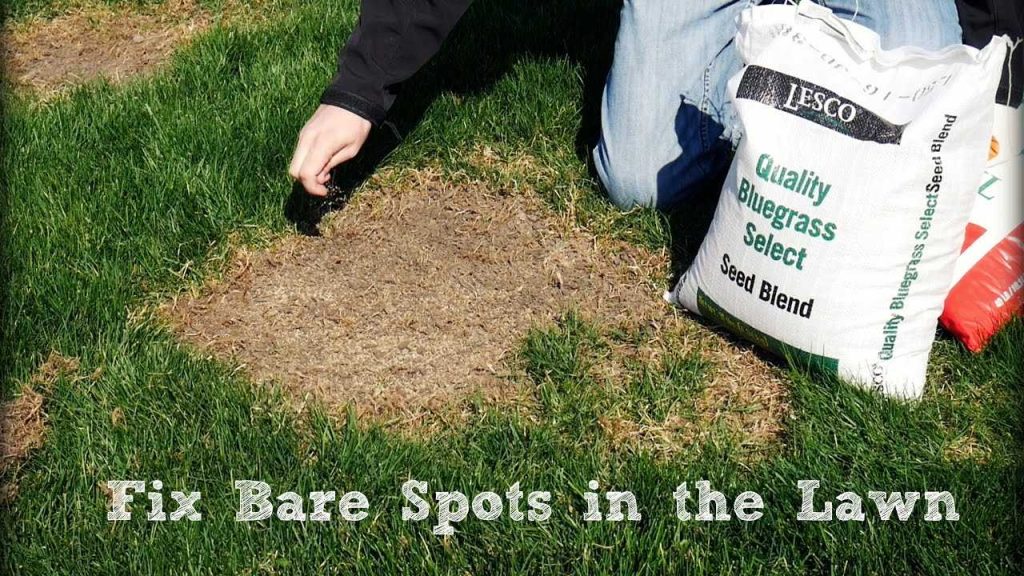
For those pesky bare spots in your lawn, planting grass seed is a straightforward solution that can quickly revitalize your yard. First, assess the area to determine the type of grass that will thrive there, then prepare the soil by raking it to ensure proper seed-to-soil contact. Once the soil is ready, sprinkle the grass seed evenly, lightly cover it with soil, and water gently but thoroughly. Keep the area moist until the seeds germinate, and you’ll be well on your way to a lush, green lawn. With a little patience and care, those bare spots can become a vibrant part of your outdoor space, enhancing both the beauty and functionality of your yard.

“`html
How to Plant Grass Seed in Bare Spots
If you have bare spots in your lawn, don’t worry! Filling these areas with grass seed is an easy process. This guide will walk you through how to plant grass seed in bare spots effectively, ensuring your lawn looks lush and green.
Identifying Bare Spots
Before you can plant grass seed, the first step is to identify where the bare spots are. Bare spots can occur for various reasons, such as:
- Heavy foot traffic
- Poor soil quality
- Pet activity
- Pest damage
Take a walk around your yard and look closely. It’s best to mark these spots for easy reference later. You may find some areas of your lawn that need extra care and attention.
Choosing the Right Grass Seed
Selecting the right grass seed is vital for successful growth. You need to consider:
- Climate: Some grass types thrive in warm weather, while others prefer cooler temperatures.
- Sunlight: Does the area get full sun, partial shade, or full shade?
- Soil type: Is your soil sandy, clayey, or loamy?
Common grass seed types include Kentucky bluegrass, fescue, and Bermuda grass. Choose one that fits your lawn’s conditions!
Preparing the Area
Once you’ve selected the right seed, it’s time to prepare the bare spots. This step is crucial for promoting good growth. Here’s how:
- Rake the area: Use a garden rake to remove debris, old grass, and weeds.
- Till the soil: Lightly till or loosen the top layer of soil. This helps the seeds make good contact with the soil.
- Level the area: Make sure the surface is level to prevent water from pooling.
This preparation sets the foundation for your new grass to grow strong and healthy.
Applying Grass Seed
Now comes the fun part: planting the grass seed! Follow these steps for best results:
- Even distribution: Use a broadcast spreader for even seed distribution.
- Rate of application: Check the seed package for the recommended rate.
- Press down gently: After spreading, lightly rake the area to ensure the seeds are in contact with the soil.
It’s important not to plant the seeds too deep, as they need sunlight and air to germinate.
Watering the Seeds
After planting, watering is crucial. Here’s how to do it right:
- Initial watering: Water the area immediately after planting to moisten the soil.
- Consistent moisture: Keep the soil moist but not soggy. Water daily or every other day, depending on the weather.
- Avoid puddles: Ensure water doesn’t pool in low areas.
Proper watering encourages the seeds to germinate and sprout quickly.
When to Expect Growth
Grass seed germination times can vary based on the type of grass and environmental conditions. Generally, you can expect:
- Kentucky bluegrass: 14 to 30 days
- Perennial ryegrass: 5 to 10 days
- Bermuda grass: 7 to 12 days
Be patient and monitor the area for growth. You’ll be enjoying your lush lawn soon!
Post-Growth Care
Once your grass begins to grow, it’s essential to care for it properly:
- Watering: Continue to water regularly, tapering off as the grass establishes.
- Mowing: Wait until the grass is about 3 inches tall before mowing for the first time.
- Fertilizing: Consider applying a starter fertilizer to help young grass thrive.
Post-growth care is critical to ensure your grass remains healthy and lush.
Common Issues and Solutions
Sometimes, despite your best efforts, issues arise. Here are common problems and how to solve them:
Weeds
If weeds start to invade the bare spots, try to remove them immediately. You can:
- Hand-pull them
- Use a hoe to remove roots
- Apply a selective herbicide if necessary
Pests
If you notice signs of pests, act quickly. Here’s what you can do:
- Identify the pest: Research or consult a local garden center.
- Use natural predators: Introduce ladybugs or other beneficial insects.
- Apply organic pesticides if needed.
Fungal Diseases
Fungal diseases can be an issue, especially in humid conditions. To combat this:
- Ensure proper drainage
- Water early in the day
- Apply fungicides if necessary
By keeping an eye out for these potential issues, you can maintain a healthy lawn.
Maintaining a Healthy Lawn Year-Round
To prevent future bare spots, consider regular lawn maintenance:
- Fertilize your lawn in the spring and fall.
- Practice proper mowing techniques, such as not cutting more than one-third of the grass height at a time.
- Aerate your lawn annually to allow for better water and nutrient absorption.
Healthy lawn habits will keep your lawn looking its best and reduce the chances of bare spots forming.
Incorporating these tips into your gardening practice will help ensure that your lawn remains full and vibrant throughout the year. Remember, a little care goes a long way in maintaining a beautiful outdoor space.
“`
How to seed BARE SPOTS in your LAWN
Frequently Asked Questions
“`html
What is the best time of year to plant grass seed in bare spots?
The ideal time to plant grass seed in bare spots varies by region and grass type. Generally, early spring or early fall provides the best conditions for grass seed germination. These periods offer moderate temperatures and sufficient moisture, helping the seeds establish before extreme weather sets in.
How should I prepare the soil before planting grass seed?
Start by clearing the area of debris, weeds, and old grass. Use a rake to loosen the soil and create a smooth seedbed. You may also want to amend the soil with compost to improve its nutrient content and drainage, promoting better seed growth.
How often should I water newly planted grass seed?
Watering is critical for germination. Keep the soil consistently moist but not soggy. Initially, water lightly several times a day to prevent the soil from drying out. As the grass starts to grow, reduce the frequency but increase the amount of water per session to encourage deep root development.
What type of grass seed should I choose for bare spots?
Select a grass seed that matches your existing lawn type for uniformity. Consider sun and shade tolerance, the region’s climate, and wear resistance. If you’re unsure, consulting with a local garden center or extension service can help you make the best choice.
How long will it take for the grass seed to germinate?
Germination times vary depending on the grass type and environmental conditions. Most grass seeds take between 7 to 14 days to sprout. However, some varieties may take longer. Be patient and maintain proper watering and care during this period.
What maintenance is required after planting grass seed?
After planting, continue with regular watering and keep foot traffic off the area to allow the grass to establish. Mow the new grass once it reaches about 3 inches high to encourage lateral growth. Additionally, consider applying a light fertilizer a few weeks after germination to support healthy development.
“`
Final Thoughts
To successfully establish grass in bare spots, start by preparing the soil. Remove any debris and loosen the top layer to promote seed-to-soil contact.
Next, choose a high-quality grass seed suited for your climate and lawn type. Spread the seeds evenly, ensuring every bare spot receives sufficient coverage.
Finally, water the area lightly and maintain consistent moisture until the new grass establishes itself. By following these steps on how to plant grass seed in bare spots, you can achieve a lush, green lawn.