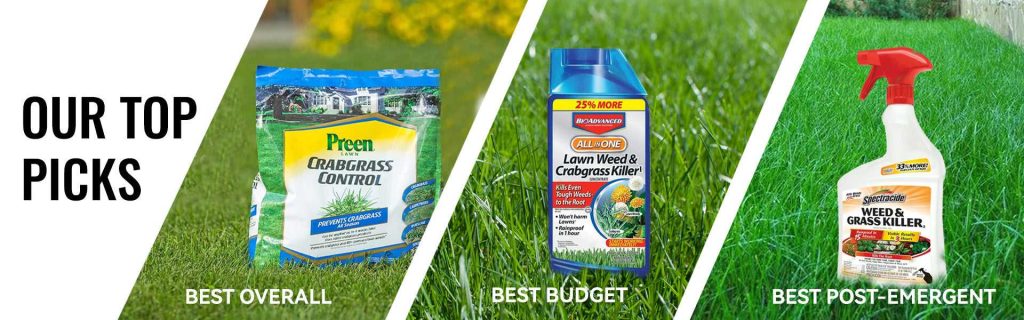
The best crabgrass killer on the market is usually a selective herbicide containing quinclorac or dithiopyr, which effectively targets crabgrass without harming your desirable lawn grass. For quick and lasting control, products like Scott’s Turf Builder with Dithiopyr or SpeedZone are highly recommended. Choosing the right product depends on your specific lawn needs, timing, and application method.
Crabgrass can be a stubborn invader that ruins the beauty of your lawn, but with the right herbicide, you can keep it at bay. The key is selecting a product formulated specifically to target crabgrass while being safe for your grass type. Proper timing and application are critical, so knowing the best product for early or late season use can make a significant difference in maintaining a lush, healthy yard. This article explores the top options on the market to help you make an informed choice for a crabgrass-free lawn.

What is the best crabgrass killer on the market?
Understanding Crabgrass and Its Challenges
Crabgrass is a common weed that appears in lawns during warm months. It can spread quickly, taking over patches of your grass if not managed early. Because of its aggressive growth, choosing the right crabgrass killer is essential to keep your lawn healthy and attractive.
Crabgrass thrives in full sunlight and poor soil conditions. It often emerges in thin or damaged areas of your lawn, making prompt treatment critical. A good crabgrass killer targets the weed without harming the surrounding grass.
Types of Crabgrass Killers Available
There are two main types of crabgrass killers: pre-emergent and post-emergent. Each type plays a role in crabgrass control at different stages.
Pre-emergent Herbicides
Pre-emergent herbicides work before the crabgrass seeds germinate. They create a chemical barrier in the soil that prevents the seeds from sprouting. These are best applied early in the season, typically in early spring.
Post-emergent Herbicides
Post-emergent herbicides target crabgrass that has already sprouted. They are used after the weed is visible in your lawn. Effective post-emergent options can kill existing crabgrass while minimizing damage to your grass.
Popular Crabgrass Killers on the Market
The market offers many products suitable for crabgrass control. Here are some top options based on effectiveness, safety, and user reviews.
Product 1: Scotts Turf Builder Halts Crabgrass Preventer
This pre-emergent product is highly regarded for its ability to prevent crabgrass before it starts. It also offers some control over certain weeds and is safe for most grass types.
Product 2: Ortho Weed B Gon Max Crabgrass Killer
A popular post-emergent herbicide, this product quickly targets crabgrass and broadleaf weeds. It works effectively on existing crabgrass and is suitable for use on many turfgrass types.
Product 3: Spectracide Weed & Grass Killer
This versatile herbicide kills crabgrass and other weeds on contact. It provides fast results and is ideal for spot treatments.
How to Choose the Best Crabgrass Killer for Your Lawn
Selecting the right product depends on several factors.
Timing of Application
Pre-emergent herbicides need to be applied early in spring before crabgrass seeds germinate. Post-emergent options are best during the active growing season.
Type of Grass You Have
Some herbicides may harm certain grass varieties. Always verify if your product is safe for your lawn type.
Area Size and Severity
Larger infestations may require stronger or multiple treatments. For small patches, spot treatments with contact herbicides work well.
User Safety and Environmental Impact
Choose products with minimal toxicity to humans and pets. Follow the label instructions carefully for safe use.
Application Tips for Effective Crabgrass Control
Proper application enhances performance and safety.
Read and Follow Label Instructions
Always adhere to the specific directions regarding timing, dosage, and safety precautions.
Timing Matters
Apply pre-emergents before crabgrass seeds start to germinate, typically early spring. Post-emergent herbicides work best when weeds are actively growing.
Use Selective Herbicides
Selective products target crabgrass without damaging your grass. Avoid non-selective herbicides unless spot-treating.
Water Up Before Application
Applying herbicides on moist soil improves absorption and effectiveness.
Reapply as Necessary
Some products require multiple applications for complete control. Check the product label for reapplication intervals.
Preventive Measures to Complement Herbicide Use
Prevention reduces the chance of crabgrass reappearing.
Maintain Healthy Lawn Practices
Proper mowing, watering, and fertilizing make your grass more resistant to weeds.
Improve Soil Health
Aerate and lime your lawn if needed to promote dense, healthy growth that outcompetes crabgrass.
Sow Thick Turf Grass
A dense lawn leaves fewer gaps for crabgrass to invade.
Alternative Methods for Crabgrass Control
Natural and mechanical methods can supplement chemical treatments.
Manual Removal
Pull out crabgrass by hand for small patches, ensuring roots are removed to prevent regrowth.
Using Vinegar or Boiling Water
Spot treatments with vinegar or boiling water can kill weeds without chemicals, but be cautious to avoid your grass.
Apply Mulch or Landscaping Fabric
Mulching around plants can block crabgrass seeds from germinating and spreading.
Looking Into Sustainable and Eco-Friendly Options
Environmentally conscious homeowners may prefer organic or less toxic crabgrass control.
Organic Herbicides
Products containing ingredients like vinegar or citric acid can provide weed control with less environmental impact.
Integrated Weed Management
Combine cultural practices, manual removal, and organic methods for effective and sustainable control.
Comparing Effectiveness and Cost
Cost and effectiveness vary among products.
| Product | Type | Estimated Cost | Effectiveness |
|---|---|---|---|
| Scotts Turf Builder Halts | Pre-emergent | Moderate | High for prevention, some control for existing weeds |
| Ortho Weed B Gon Max | Post-emergent | Moderate | High for active weeds |
| Spectracide Weed & Grass Killer | Contact | Low to moderate | Fast results, spot treatment |
Final Thoughts on Choosing the Best Crabgrass Killer
The ideal product depends on your lawn’s condition, timing, and personal preferences. Pre-emergent herbicides are your best bet for preventing crabgrass early in the season, while post-emergent options are more suitable for treating existing weeds. Always follow safety guidelines and consider integrating cultural and organic methods for comprehensive control.
Choosing the right crabgrass killer involves understanding your lawn’s needs, the timing of application, and the specific weed problem you face. With careful selection and proper application, you can keep your lawn healthy, green, and free of crabgrass all season long.
I Tested the Deadliest Crabgrass Killer in the World
Frequently Asked Questions
What active ingredients should I look for in a crabgrass killer?
Look for products containing active ingredients like quinclorac, fenoxaprop, or mesotrione. These chemicals effectively target crabgrass while minimizing damage to desirable grasses. Always check the label to ensure the product is suitable for your lawn type and follow the application instructions carefully.
How do I choose a crabgrass killer that works quickly?
Choose a pre-emergent herbicide with fast-acting ingredients that prevent crabgrass seeds from germinating. Products containing prodiamine or pendimethalin generally start working within days of application. For better results, apply the product early in the season before crabgrass begins to sprout.
Are there environmentally friendly options for controlling crabgrass?
Yes, some organic and natural options exist, such as corn gluten meal, which acts as a pre-emergent barrier. Manual removal combined with cultural practices, like proper mowing and fertilization, can also help control crabgrass without relying on chemical herbicides.
What safety precautions should I take when applying crabgrass killers?
Always read the product label and wear protective clothing, including gloves and eye protection. Apply herbicides when the weather is calm to prevent drift and follow the recommended dosage. Keep children and pets away from treated areas until the product dries completely.
Final Thoughts
The best crabgrass killer on the market effectively targets weeds while preserving your lawn. Select products containing quinclorac or product formulas designed for crabgrass control for optimal results. Proper timing and application can prevent crabgrass from spreading further.
In conclusion, what is the best crabgrass killer on the market? It combines proven ingredients and easy application, making it a top choice for yard care. Ensuring you follow the instructions will help achieve a healthy, weed-free lawn efficiently.