Pre-emergent herbicides can be a concern for pet owners, but with proper precautions, they can be used safely around animals. The key is to understand the product’s ingredients and follow guidelines carefully to minimize risks. In general, these herbicides can be safe if pets are kept away during application and until the treated area is dry and safe, but some formulations may pose health risks if ingested or contacted directly.
Pre-emergent herbicides are generally safe for pets when used correctly, but it’s important to follow label instructions and keep animals away during and immediately after application. Proper storage and timing are essential to prevent accidental exposure, ensuring your furry friends can enjoy a safe outdoor space.
When it comes to protecting your pets and maintaining a healthy lawn, many pet owners wonder whether pre-emergent herbicides are a safe option. These products are designed to prevent weed seeds from germinating, which can make yard maintenance easier. However, their ingredients and application methods can sometimes raise concerns about toxicity. While some formulations are pet-friendly when used as directed, others may pose risks if pets ingest or come into contact with treated soil. Being informed about the specific product you’re using, applying it carefully, and keeping pets away during and shortly after application can help you strike a balance between effective weed control and pet safety. This cautious approach allows you to maintain a beautiful yard without compromising your furry friends’ health.

Are pre-emergent herbicides safe for pets?
Understanding What Pre-Emergent Herbicides Are
Pre-emergent herbicides are chemicals used to prevent weed seeds from sprouting before they grow. They create a barrier in the soil that stops weeds from emerging. These products are popular among homeowners and landscapers who want to keep lawns and gardens weed-free efficiently.
How Do Pre-Emergent Herbicides Work?
Pre-emergent herbicides work by affecting the seed germination process. When weed seeds try to sprout, the chemicals interfere with cell division, preventing growth. Since they target young seeds, they do not kill existing weeds, only new ones.
Potential Risks for Pets
Despite their effectiveness, concerns about the safety of pre-emergent herbicides for pets are common. Some chemicals can be toxic if ingested or absorbed through the skin. Pets may also be exposed during application or while playing on treated surfaces.
Types of Chemicals Used in Pre-Emergent Herbicides
Many pre-emergent herbicides are based on active ingredients such as:
- Prodiamine
- Pendimethalin
- Oryzalin
- Dimethylamine salts
Each of these chemicals has different levels of toxicity, and some pose greater risks to pets than others.
How Toxic Are These Chemicals?
The toxicity depends on the active ingredient and exposure level. Some chemicals can cause mild symptoms like skin irritation, while others may lead to more severe issues such as gastrointestinal problems, neurological symptoms, or liver damage in pets.
Symptoms of Poisoning in Pets
Pets affected by pre-emergent herbicides might show signs such as:
- Vomiting
- Diarrhea
- Lethargy
- Drooling
- Difficulty breathing
- Uncoordinated movements
Immediate veterinary attention is essential if poisoning is suspected.
How Pets Contact the Herbicide
Pets can be exposed in several ways:
- Grazing on recently treated lawns
- Ingesting contaminated soil or plants
- Walking through or playing on treated areas
- Eye or skin contact during or after application
The level of risk depends on how soon they come into contact with the product after application.
Timing Is Key: When Is It Safe for Pets?
Most manufacturers recommend keeping pets off treated areas until the herbicide has dried completely. This typically takes a few hours but can vary depending on weather conditions.
Waiting Periods After Application
It is advisable to wait at least 24 hours before allowing pets back on the lawn or garden. Always read the label instructions for specific drying and safety guidelines.
Precautions to Protect Pets During and After Application
To ensure pet safety, consider the following precautions:
- Apply herbicides when pets are not nearby or indoors.
- Water the area thoroughly after application to dilute the chemical.
- Use physical barriers such as fences or temporary fencing to keep pets away.
- Store herbicides securely out of your pet’s reach.
- Follow all label instructions carefully.
Choosing Pet-Friendly Alternatives
If you are concerned about the safety of pre-emergent herbicides, there are safer options:
- Organic weed control methods
- Manual removal of weeds
- Use of mulches to suppress weed growth
- Planting ground covers that outcompete weeds
These options may require more effort but reduce chemical exposure risks for pets.
Safe Application Practices for Pet Owners
Proper application ensures minimal risk to pets:
Application Timing
Apply herbicides when pets are indoors or elsewhere. Early morning or late evening is ideal, especially on dry days.
Application Method
Use tools like spreaders or sprayers carefully to avoid drift onto pet areas. Avoid over-application to reduce chemical runoff.
Post-Application Care
Water treated areas promptly to break down residues. Check the weather forecast and avoid applying before rain.
Legal and Environmental Considerations
Many regions regulate herbicide use, emphasizing pet and human safety. Always adhere to local laws and environmental guidelines to prevent accidental poisoning or contamination.
What to Do in Case of Pet Exposure
If you suspect your pet has ingested or come into contact with a pre-emergent herbicide:
- Remove the pet from the contaminated area immediately.
- Try to identify what and how much they ingested or touched.
- Contact your veterinarian or a pet poison control center immediately.
- Follow professional medical advice promptly.
Quick action can prevent serious health issues and ensure your pet’s safety.
Summary of Key Points
| Aspect | Details |
|---|---|
| Active Chemicals | Prodiamine, Pendimethalin, Oryzalin, etc. |
| Risks | Potential toxicity, skin irritation, gastrointestinal issues |
| Pets’ Exposure Routes | Grazing, contact, ingestion |
| Precautions | Follow label instructions, water area after application, restrict pet access |
| Alternatives | Organic methods, manual removal, mulching |
While pre-emergent herbicides can be effective for weed prevention, pet safety should be a priority. Use these chemicals responsibly, following all safety guidelines. Consider pet-friendly strategies to maintain a healthy and safe outdoor space for your furry friends.
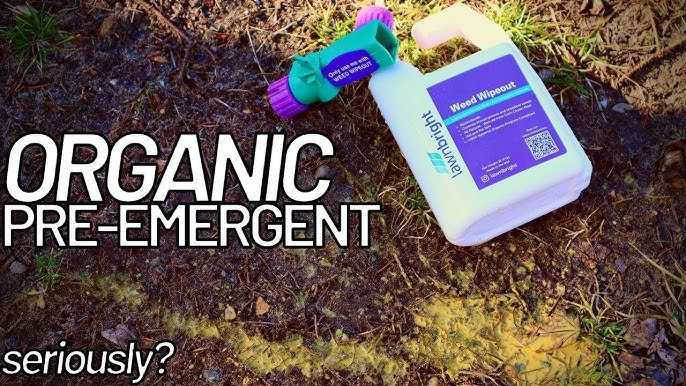
Organic Pre-Emergent Herbicide Safe for Pets and People!?
Frequently Asked Questions
What precautions should I take when applying pre-emergent herbicides around my pets?
When applying pre-emergent herbicides, keep pets indoors or away from treated areas until the product fully dries and the area is safe. Always read the label for specific drying times and safety instructions. Wearing gloves during application can prevent accidental skin contact, and ensure children and pets avoid the area during and after application until it is safe to return.
Are there any formulations of pre-emergent herbicides that are safer for homes with pets?
Some formulations are designed to be pet-friendly, using reduced or modified active ingredients that minimize toxicity. Organic or natural pre-emergent options often contain ingredients like corn gluten or other natural substances. However, always check the product label for safety information and follow instructions carefully to protect your pets.
Can pets develop health issues from exposure to pre-emergent herbicides?
Pets can experience health problems if they ingest or come into contact with concentrated herbicide residues. Symptoms may include vomiting, diarrhea, skin irritation, or more serious issues depending on the substance and level of exposure. To prevent this, keep pets off treated areas until the product is fully absorbed and the area is safe.
How long should I wait before allowing my pets onto a treated lawn?
Wait until the herbicide has dried completely and any recommended period has passed, which typically ranges from 24 to 48 hours. Always follow the manufacturer’s instructions on the label, as drying times can vary based on the product and environmental conditions. If in doubt, consult the product’s safety information or your veterinarian for guidance.
Are granular pre-emergent herbicides safer than liquid options for pet owners?
Granular herbicides may pose less risk of skin contact and accidental ingestion if used correctly, as they are usually applied to the soil and can be less prone to drift. Nevertheless, always follow application instructions carefully, keep pets away during and after application, and consider using pet-safe or natural alternatives when possible to minimize risks.
Final Thoughts
Pre-emergent herbicides can be effective for weed control, but pet safety remains a key concern. Many products contain chemicals that might be harmful if pets contact or ingest them.
Consulting the product label and following safety guidelines is essential before application. Keep pets off treated areas until the herbicide dries completely.
Are pre-emergent herbicides safe for pets? Generally, they pose risks if not used carefully. Always prioritize pet safety and opt for pet-friendly alternatives when possible.