Thatch is a dense layer of dead and living organic matter that accumulates at the base of grass blades. For Zoysiagrass, thatch can be a double-edged sword. While a thin layer offers insulation and moisture retention, excessive thatch suffocates the roots, impedes nutrient uptake, and creates an ideal environment for pests and diseases. Managing thatch is crucial for a healthy Zoysiagrass lawn.
Having a beautiful Zoysiagrass lawn is a dream for many homeowners. Its dense, weed-free appearance and tolerance to heat and drought make it a popular choice. But like any lawn, Zoysiagrass requires proper care, and understanding its potential challenges is key. One common issue that can sneak up on even the most attentive lawn owner is thatch. What exactly is this mysterious layer, and how does it impact your beloved Zoysiagrass? Let’s dive in.
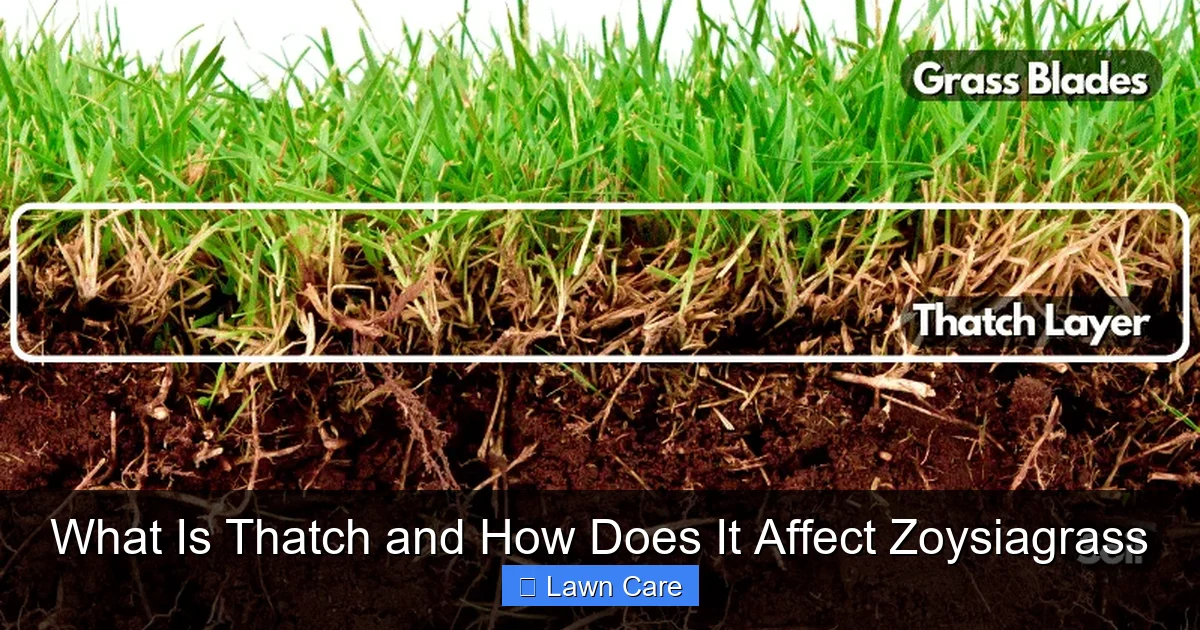
Imagine the base of your Zoysiagrass blades, right where they meet the soil. Now, picture a dense, spongy mat forming there. That, in a nutshell, is thatch. It’s not just dead grass clippings; it’s a complex mix of living and dead plant material, including roots, crowns, and stems, that doesn’t decompose fast enough. This layer can range from a healthy, beneficial buffer to a detrimental suffocating blanket.
Understanding thatch is the first step to a thriving Zoysiagrass lawn. We’ll explore what thatch is, why Zoysiagrass is particularly susceptible, the good and the bad it brings, and most importantly, how to keep it in check for optimal lawn health.
- Thatch is a natural buildup of organic material between the grass blades and the soil surface.
- Zoysiagrass, being a dense and vigorous grower, is prone to thatch accumulation.
- A healthy, thin thatch layer benefits Zoysiagrass by providing insulation and moisture retention.
- Excessive thatch suffocates Zoysiagrass roots, hindering nutrient and water absorption.
- Thick thatch layers create a favorable habitat for pests like grubs and diseases such as fungal infections.
- Core aeration is the most effective method for reducing thatch in Zoysiagrass.
- Proper mowing, watering, and fertilization practices help prevent excessive thatch buildup.
Quick Answers to Common Questions
What is thatch made of?
Thatch is composed of dead and living organic materials, including grass blades, stems, stolons, rhizomes, and roots that haven’t decomposed quickly enough.
Is thatch always bad for my lawn?
No, a thin layer of thatch (less than 1/2 inch) can actually be beneficial, providing insulation and moisture retention. It’s excessive thatch that causes problems.
How often should I check for thatch?
It’s a good idea to check for thatch at least once a year, typically in the spring or fall, to monitor its thickness.
Can I just leave grass clippings on the lawn to avoid thatch?
While mulching mowers help break down clippings, leaving large clumps of grass can contribute to thatch. Fine mulching is generally beneficial, but excessive clippings can still be an issue.
What’s the best way to remove thatch?
Core aeration is the most effective method for reducing existing thatch and improving soil health. Dethatching or power raking is another option for very thick thatch, but it’s more aggressive.
📑 Table of Contents
What Exactly Is Thatch?
At its core, thatch is a buildup of organic matter. Grass plants naturally shed old leaves, stems, and roots. In a healthy lawn, beneficial microorganisms in the soil break down this organic material, returning nutrients to the soil and keeping the thatch layer thin. However, when the rate of organic matter production outpaces the rate of decomposition, thatch begins to accumulate.
The Composition of Thatch
Thatch isn’t just one thing. It’s a mix of various plant parts:
- Dead grass blades: The most visible component, these are the parts of the grass that have died and haven’t yet broken down.
- Stolons and rhizomes: These are the horizontal stems that Zoysiagrass uses to spread. They are tough and fibrous, contributing significantly to thatch.
- Roots: The fibrous root system of the grass also adds to the organic matter.
- Cellulose and lignin: These are tough, woody compounds that make up the cell walls of plants. They are slow to decompose, making them primary contributors to thatch buildup.
Factors Influencing Thatch Decomposition
Several factors affect how quickly thatch breaks down:
- Soil microbes: A healthy population of bacteria and fungi is essential for decomposition.
- Soil moisture: Microbes need moisture to thrive. Too dry or too wet conditions can slow decomposition.
- Soil temperature: Decomposition is generally faster in warmer soils.
- Aeration: Good air circulation in the soil aids microbial activity.
- Soil pH: Most soil microbes prefer a slightly acidic to neutral pH.
When these conditions aren’t optimal, or when the grass is growing too vigorously, thatch can quickly become a problem.
Why Zoysiagrass Is Prone to Thatch
Visual guide about What Is Thatch and How Does It Affect Zoysiagrass
Image source: thebackyardpros.com
Zoysiagrass is a fantastic turfgrass, known for its density and aggressive growth habit. This very characteristic makes it more susceptible to thatch accumulation than some other grass types. Zoysiagrass spreads via both stolons (above-ground runners) and rhizomes (underground runners), creating a thick, carpet-like appearance. This dense growth means more organic material is produced, and if decomposition can’t keep up, thatch is inevitable.
The Natural Growth Cycle of Zoysiagrass
Zoysiagrass is a warm-season grass. This means it thrives in heat and goes dormant (turns brown) during cooler months. Its growth is most vigorous during the summer months. During this peak growth period, the grass is producing new blades, stolons, and rhizomes at a rapid pace. While this is great for filling in bare spots and creating a dense turf, it also means a higher potential for thatch buildup if the decomposition rate doesn’t match.
Contributing Factors Specific to Zoysiagrass Management
Certain lawn care practices, while generally beneficial, can also contribute to thatch if not managed correctly with Zoysiagrass:
- Over-fertilization: Applying too much nitrogen fertilizer can stimulate rapid, excessive growth, leading to more organic matter than the soil can break down.
- Improper mowing: Mowing too high or too low can stress the grass and affect its health, potentially impacting decomposition. Leaving grass clippings in heavy clumps can also smother the turf and contribute to thatch. However, using a mulching mower, like a mulching mower, can help break down clippings finer, aiding decomposition.
- Insufficient watering: While Zoysiagrass is drought-tolerant, consistent watering is still needed. Very dry conditions can slow down microbial activity.
The Good and The Bad: How Thatch Affects Zoysiagrass
Thatch isn’t inherently evil. A thin layer can actually be quite beneficial for your Zoysiagrass. It acts like a natural mulch, helping to conserve soil moisture, insulate the grass crowns from extreme temperatures (both hot and cold), and cushion the turf against foot traffic. This thin layer can contribute to that desirable, dense look Zoysiagrass is known for.
The Benefits of a Thin Thatch Layer
* Moisture Retention: Thatch acts like a sponge, holding moisture in the root zone, which is particularly helpful during dry spells.
* Temperature Regulation: It insulates the soil, protecting grass roots from harsh temperature fluctuations, keeping them cooler in summer and warmer in winter.
* Shock Absorption: A thin thatch layer provides a cushioning effect, protecting the grass from wear and tear.
However, as with many things in life, too much of a good thing can be bad. When thatch accumulates and becomes too thick, it transforms from a helpful buffer to a detrimental barrier.
The Downside of Excessive Thatch
When the thatch layer exceeds about half an inch, it starts to cause problems for your Zoysiagrass:
- Suffocation of Roots: The thick, spongy layer prevents water and air from reaching the soil and the grass roots. This can lead to shallow root systems, making the grass more susceptible to drought stress and heat.
- Reduced Nutrient Uptake: Nutrients applied to the lawn may get trapped in the thatch layer, never reaching the soil where the roots can absorb them. This means you might be fertilizing your thatch, not your grass.
- Increased Disease Potential: A thick, damp thatch layer creates an ideal breeding ground for fungal diseases. The trapped moisture and reduced air circulation are perfect conditions for pathogens to thrive.
- Pest Infestations: Grubs and other soil-dwelling insects love to make their homes in thick thatch layers. They feed on the organic matter and can damage the grass roots, weakening the turf.
- Uneven Water Distribution: Water may run off the surface or channel through dry thatch, leaving the soil beneath inadequately hydrated.
- “Thatch-Rooted” Grass: The grass roots themselves can grow up into the thatch layer. If the thatch dries out, the roots die, further weakening the plant. This can lead to a lawn that browns very quickly under stress.
The transition from a beneficial thin layer to a harmful thick layer can happen surprisingly quickly, especially with a vigorous grower like Zoysiagrass.
Recognizing and Measuring Thatch
You can’t manage what you don’t measure! Fortunately, checking for thatch isn’t complicated. It requires a simple visual inspection and a tool to get a closer look.
How to Check for Thatch
The best time to check for thatch is typically in the spring, after the grass has started to green up, or in the early fall.
- Use a knife or trowel: Dig a small plug of grass and soil from a few different areas of your lawn.
- Examine the plug: Look at the vertical cross-section of the plug. You’ll see the soil at the bottom, the green grass blades at the top, and the layer in between.
- Measure the layer: The thatch layer is the spongy, brown organic material between the green grass and the soil surface. Use a ruler or measuring tape to estimate its thickness.
Interpreting the Measurements
* Less than 1/2 inch: This is generally considered a healthy thatch layer for Zoysiagrass. It’s providing benefits without causing significant harm.
* 1/2 inch to 3/4 inch: This is a moderate thatch layer. It’s starting to lean towards problematic. You should monitor it and consider preventative measures.
* More than 3/4 inch to 1 inch: This is a thick thatch layer and requires immediate attention. The negative effects are likely already present or imminent.
If you’re unsure, consult with your local county extension service. They can provide expert advice tailored to your specific climate and soil conditions.
Managing Thatch in Zoysiagrass
Once you’ve identified that your Zoysiagrass has an excessive thatch layer, it’s time to take action. The primary goal is to reduce the buildup and prevent it from becoming problematic again.
Core Aeration: The Gold Standard
Core aeration is the most effective method for reducing existing thatch and improving soil conditions. This process involves using a machine that pulls out small plugs (cores) of soil and thatch from your lawn.
How Core Aeration Works
* Removes thatch plugs: The machine literally pulls the dense thatch material out of the ground.
* Opens up the soil: The holes left behind allow for better air, water, and nutrient penetration to the root zone. This is crucial for Zoysiagrass health, especially when dealing with drainage issues, as it can help alleviate the problems addressed by things like lawn drains.
* **Encourages root growth: By decompacting the soil, aeration promotes deeper root development.
* **Aids decomposition: The pulled-out cores, which are essentially thatch and soil, break down on the surface, adding organic matter back to the lawn.
When to Aerate Zoysiagrass
The best time to core aerate Zoysiagrass is during its active growing season. For Zoysiagrass, this is late spring or early summer, when temperatures are warm and the grass is actively growing and can recover quickly from the process. Avoid aerating when the grass is dormant or stressed.
Dethatching (Power Raking)
Dethatching, often done with a power rake, is another method to remove thatch. A power rake has tines that vigorously pull through the thatch layer, loosening and lifting it to the surface for removal. While it can be effective, it’s also more aggressive than core aeration and can stress the lawn if not done carefully. It’s generally recommended to use this method sparingly and only when thatch is significantly thick.
Preventative Measures: Stopping Thatch Before It Starts
While aeration and dethatching are crucial for managing existing thatch, a proactive approach can prevent it from becoming a major issue in the first place.
Proper Mowing Habits
* **Mow regularly:** Don’t cut off more than one-third of the grass blade length at a time. This encourages denser growth without stressing the plant.
* **Use a sharp blade:** A dull mower blade tears the grass, creating ragged edges that are more susceptible to disease and can contribute to thatch.
* **Consider mulching:** As mentioned earlier, using a mulching mower helps finely chop grass clippings, allowing them to decompose quickly and return nutrients to the soil. Avoid leaving large clumps of grass on the lawn.
Smart Fertilization
* **Fertilize appropriately:** Use a slow-release nitrogen fertilizer and follow recommended application rates for Zoysiagrass. Avoid over-fertilizing, which can lead to excessive, rapid growth and thatch buildup.
* **Test your soil: A soil test can help you understand your soil’s nutrient needs and pH, allowing for more precise fertilization.
Appropriate Watering
* **Water deeply and infrequently:** This encourages deep root growth, which helps the grass better withstand stress and can improve overall health, aiding in decomposition.
* **Avoid constant light watering:** This promotes shallow roots and can keep the thatch layer consistently moist, which isn’t always ideal.
Soil Health and Aeration
* **Regular aeration:** Even if your thatch isn’t severe, periodic core aeration (once every 1-2 years during the growing season) can help prevent significant buildup.
* **Topdressing: Applying a thin layer of compost or other organic matter, known as topdressing, can improve soil structure and introduce beneficial microbes that aid in decomposition. This process, much like using what is topdressing, can significantly boost your soil’s ability to break down organic matter.
Conclusion
Thatch is a natural part of a healthy lawn, but for Zoysiagrass, vigilance is key. This dense, beautiful grass can quickly develop a thatch layer that can hinder its growth and health. By understanding what thatch is, recognizing the signs of excessive buildup, and implementing consistent management strategies like core aeration and proper cultural practices, you can ensure your Zoysiagrass lawn remains lush, healthy, and resilient. Remember, a little effort in thatch management goes a long way in keeping your Zoysiagrass looking its best.
Frequently Asked Questions
What is the ideal thatch thickness for Zoysiagrass?
For Zoysiagrass, an ideal thatch layer is generally considered to be less than half an inch. This thickness provides beneficial insulation and moisture retention without impeding air and water penetration to the soil.
How can I tell if my Zoysiagrass thatch is too thick?
You can tell if your thatch is too thick by digging a small plug of grass and soil and examining the layer of organic material between the grass blades and the soil. If this layer is more than half an inch thick, it’s considered excessive.
When is the best time to aerate my Zoysiagrass lawn to reduce thatch?
The best time to core aerate Zoysiagrass for thatch reduction is during its active growing season, typically late spring or early summer when the grass is actively growing and can recover quickly from the process.
Will overwatering Zoysiagrass contribute to thatch?
While Zoysiagrass needs water, overwatering can create persistently damp conditions at the soil surface, which can slow down decomposition and contribute to thatch buildup. Watering deeply and infrequently is usually best.
Are there any natural remedies for thatch in Zoysiagrass?
Promoting a healthy soil ecosystem with beneficial microbes is key to natural thatch decomposition. Practices like topdressing with compost introduce these microbes and improve soil structure, aiding in breakdown.
What happens if I ignore a thick thatch layer on my Zoysiagrass lawn?
Ignoring a thick thatch layer can lead to serious problems, including suffocated roots, reduced nutrient uptake, increased susceptibility to diseases and pests, and overall weakened turf that browns quickly under stress.