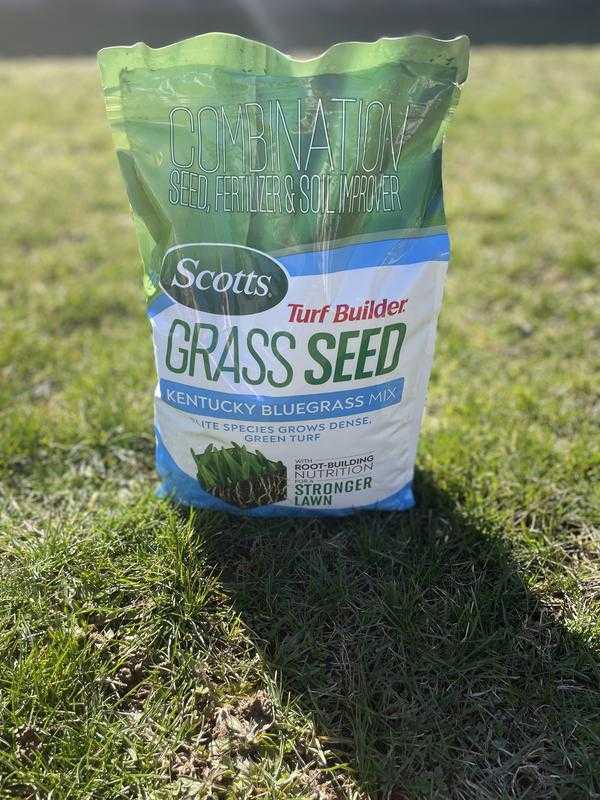
The Scotts Kentucky Bluegrass Mix is specially designed to create a lush, green lawn that’s both beautiful and resilient. If you’re curious about what makes up this popular mix, you’re in the right place. Essentially, it includes a blend of high-quality Kentucky bluegrass seeds, combined with other grass varieties that enhance durability and appearance. The mix is formulated to thrive in a variety of climates, providing a rich, dense turf that’s perfect for home lawns, sports fields, and commercial landscapes. Whether you’re a seasoned gardener or a DIY enthusiast, understanding what’s in this mix can help you achieve the best results for your outdoor space. It’s all about combining the right grasses to give you a healthy, drought-resistant, and visually appealing lawn that stands the test of time.
The Scotts Kentucky Bluegrass Mix mainly contains Kentucky bluegrass seeds, often blended with other cool-season grasses like perennial ryegrass or fine fescues. This combination ensures a hardy, vibrant lawn that grows well in cooler climates and can recover quickly from wear and tear.
This mix is ideal for those wanting a stunning, resilient lawn that maintains its beauty and density throughout the seasons. It’s designed to suit various soil types and conditions, making it a popular choice for homeowners and landscapers alike.

What Is in Scotts Kentucky Bluegrass Mix?
Understanding what is in Scotts Kentucky Bluegrass mix helps you choose the best grass for your lawn. This mix is popular because it creates a lush, green, and durable yard. Let’s explore what makes up this mix and why each component matters.
Primary Components of Scotts Kentucky Bluegrass Mix
Most Scotts Kentucky Bluegrass mixes contain a combination of grass varieties that work well together. These components are selected to provide quick germination, sturdy growth, and resistance to common lawn problems.
Kentucky Bluegrass (Poa pratensis)
This is the main ingredient in the mix. Kentucky Bluegrass is famous for its beautiful, fine-textured look and dense growth habit. It creates a soft, inviting lawn that stays green through most of the year.
It is also very hardy and can tolerate foot traffic, making it perfect for family yards and recreational areas. However, Kentucky Bluegrass alone can be slow to establish on its own.
Perennial Ryegrass (Lolium perenne)
Perennial Ryegrass is added to help the mix establish quickly. It germinates faster than Kentucky Bluegrass, providing immediate greenery after planting.
This grass is also resistant to diseases and drought, adding resilience to your lawn. It works as a temporary ground cover until the Kentucky Bluegrass fully develops.
Fine Fescues
Some Scotts mixes include fine fescues like creeping red, hard, or chewings fescue. These grasses adapt well to shady areas and offer excellent drought tolerance. They also help fill in gaps and improve overall lawn density.
Fine fescues require less mowing and fertilizer, making maintenance easier for homeowners.
Additional Components and Variations
Depending on the specific Scotts Kentucky Bluegrass mix you purchase, there may be other grass varieties included to enhance performance. These can include:
- Chewings Fescue: Known for its fine texture and shade tolerance.
- Hard Fescue: Very drought-tolerant and low-maintenance.
- Slender Creeping Red Fescue: Great for shady or low-traffic areas.
Manufacturers select these grasses to create a balanced mixture that handles different soil types and environmental conditions.
Why These Components Matter
The combination of Kentucky Bluegrass, Perennial Ryegrass, and Fescues offers several benefits for your lawn. The mix ensures quick establishment, durability, and aesthetic appeal.
It also improves resistance to pests, diseases, and environmental stress, helping homeowners maintain a healthy lawn with less effort.
Optimal Growing Conditions for Scotts Kentucky Bluegrass Mix
Soil Type and Preparation
This mix thrives in well-drained, fertile soil. Preparing your soil properly by aerating and adding compost can boost germination and growth.
Sunlight Requirements
Most Scotts Kentucky Bluegrass mixes prefer full sunlight but can tolerate some shade, especially if fine fescues are included. Proper sunlight exposure ensures healthy, green grass.
Watering and Maintenance
Consistent watering is vital during germination and early growth stages. Once established, the mix resists drought better than many other options.
Scheduled mowing and fertilization keep the lawn lush and healthy without over-stressing the grass.
Application Tips for Best Results
- Seed Rate: Follow the manufacturer’s recommendation carefully to avoid overseeding or patchy growth.
- Timing: Plant in early spring or early fall when temperatures are moderate for optimal germination.
- Watering: Keep the soil consistently moist until the grass is established.
- Fertilizing: Use a balanced fertilizer to promote strong root development and vibrant green color.
Comparing Scotts Kentucky Bluegrass Mix to Other Grass Types
| Feature | Scotts Kentucky Bluegrass Mix | Warm-Season Grasses | Other Cool-Season Mixes |
|---|---|---|---|
| Rooting Depth | Deep-rooted for drought resistance | Shallow roots, less drought tolerant | |
| Growth Rate | Moderate to slow | Fast, quick coverage | |
| Maintenance Needs | Moderate, requires regular mowing | Varies, some low-maintenance options | |
| Best Climate | Temperate regions with cool winters | Hot, arid climates |
Benefits of Using Scotts Kentucky Bluegrass Mix
This mix offers a perfect blend of quick coverage, durability, and aesthetic appeal. Its ability to withstand foot traffic and drought makes it suitable for family yards and recreational fields.
Moreover, the mix’s adaptability to various soil types reduces the need for extensive soil amendments, saving time and money.
Common Challenges and How to Overcome Them
While Scotts Kentucky Bluegrass mix is resilient, some problems can arise, such as weeds or disease.
Proper lawn care, including timely fertilization and aeration, can minimize these issues. Keeping the lawn well-watered and mowing at the right height also promotes healthy growth.
Ultimately, Scotts Kentucky Bluegrass mix combines the best qualities of different grass varieties to produce a lush, resilient lawn. Its components work together to offer fast establishment, drought tolerance, and visual appeal. By understanding what is in this mix and how to care for it, homeowners can enjoy a beautiful, healthy yard for years to come.
Scotts Turf Builder Grass Seed Kentucky Bluegrass Mix with Fertilizer and Soil Improver – Worth It?
Frequently Asked Questions
What types of grass seeds are included in the Scotts Kentucky Bluegrass Mix?
The Scotts Kentucky Bluegrass Mix primarily contains high-quality bluegrass seeds known for their dense, lush growth. It may also include select cultivars designed for improved color, disease resistance, and tolerance to different climate conditions, ensuring a durable and vibrant lawn.
Are there any specific varieties of Kentucky Bluegrass in the mix?
Yes, the mix usually features specific Kentucky Bluegrass varieties that promote quick germination and strong root development. These varieties are chosen for their ability to withstand foot traffic and maintain a rich, healthy appearance throughout the growing season.
Does the mix contain any other grass types besides Kentucky Bluegrass?
In some formulations, Scotts Kentucky Bluegrass Mix may include a small proportion of fine fescue or other cool-season grasses. These additional types help improve drought tolerance, shade resistance, and overall lawn performance, though Kentucky Bluegrass remains the dominant component.
What is the purpose of including multiple grass varieties in this mix?
Including multiple grass varieties creates a more resilient lawn that adapts better to environmental stresses like drought, shade, and heavy foot traffic. It also helps maintain a consistent, vibrant appearance throughout different seasons.
How does the seed composition influence the maintenance needs of the lawn?
The composition of high-quality Kentucky Bluegrass seeds ensures that the lawn requires less frequent watering and fertilization while resisting common diseases. This results in easier maintenance and a healthier, more attractive yard.
Final Thoughts
Scott’s Kentucky bluegrass mix contains high-quality Kentucky bluegrass seeds blended with fine fescues and some perennial ryegrass. This combination promotes a lush, green lawn that thrives in various soil types. The mix offers excellent drought resistance and wears well under foot traffic.
In summary, what is in Scott’s Kentucky bluegrass mix includes carefully selected bluegrass, fescues, and ryegrass. This blend creates a resilient and attractive lawn, making it a popular choice among homeowners.