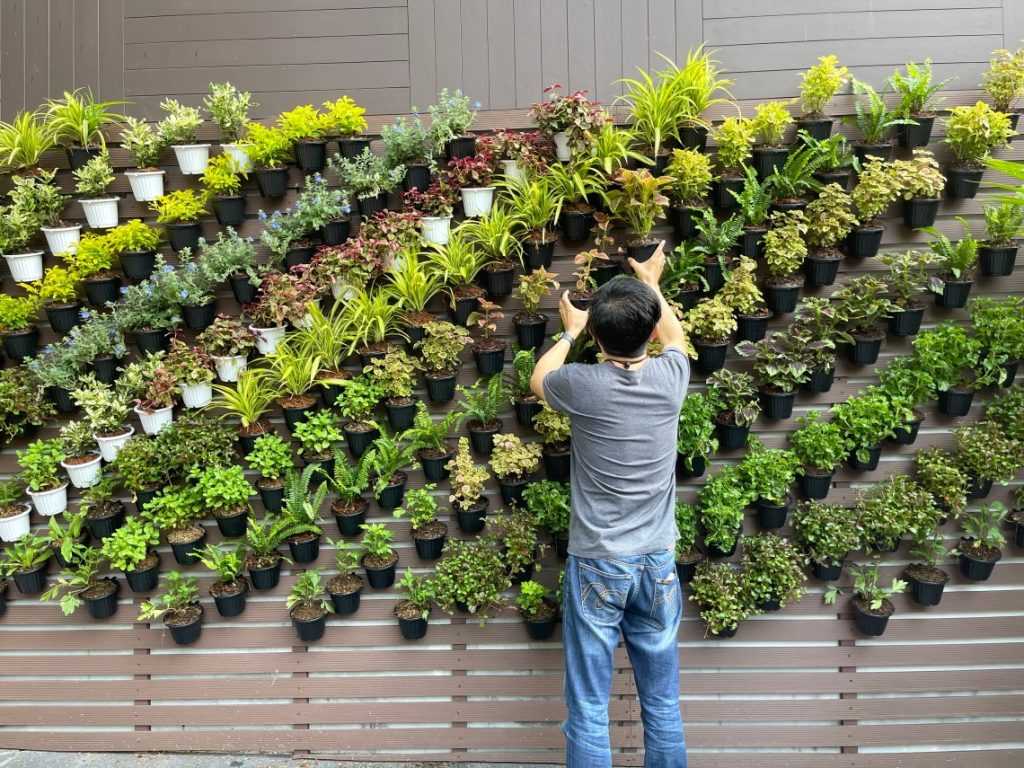
A vertical garden is an innovative way to grow plants in a space-efficient manner by utilizing vertical space instead of traditional ground planting. It involves growing a variety of plants on structures like walls or trellises, allowing you to create a lush green environment, even in urban settings with limited space. These gardens can feature a mix of flowers, herbs, and vegetables, providing aesthetic appeal and fresh produce. They also help improve air quality and enhance the overall atmosphere of your home or office. Whether you’re looking to beautify your living space or cultivate your own fresh herbs, a vertical garden is an exciting solution that combines form and function, making it perfect for both novice and experienced gardeners.

What Is A Vertical Garden
A vertical garden, also known as a green wall or living wall, is a gardening concept that allows plants to grow vertically instead of horizontally. This innovative gardening technique has gained popularity in urban areas where space is limited. By utilizing walls, fences, or specially designed structures, vertical gardens enable individuals to create lush green spaces without needing a large yard.
Vertical gardens can be installed both indoors and outdoors. They not only beautify spaces but also purify the air, reduce noise, and even provide a habitat for wildlife. With an array of benefits and aesthetic appeals, vertical gardens have become a favored choice among gardeners and city dwellers alike.
The Benefits of Vertical Gardens
Vertical gardens offer numerous advantages for both people and the environment. Some of the key benefits include:
- Space Saving: Vertical gardens maximize limited space, making them perfect for apartments and small homes.
- Air Quality Improvement: Plants absorb carbon dioxide and release oxygen, promoting cleaner air.
- Temperature Regulation: Green walls can help cool buildings, reducing energy costs.
- Noise Reduction: Plants can absorb sound, creating a quieter environment.
- Aesthetic Appeal: Vertical gardens add beauty and vibrancy to any space.
- Increased Biodiversity: They provide a habitat for birds, insects, and other wildlife.
These benefits make vertical gardens an attractive option for anyone looking to enhance their living or working environment.
Types of Vertical Gardens
There are several types of vertical gardens, each suited to different needs and preferences. Here’s a look at some popular options:
Living Walls
Living walls are structured systems that support various plants. These walls often include soil, irrigation systems, and planting media. They can be installed indoors or outdoors and are designed for long-term plant growth.
Green Facades
Green facades utilize climbing plants that grow up walls using trellises or cables. This type of vertical garden usually requires less maintenance than living walls, making it a great choice for beginners.
Container Vertical Gardens
Container vertical gardens involve stacking pots or planters on a vertical frame. These are easy to create and customize, allowing gardeners to switch out plants as desired. They work well for people who enjoy changing their garden’s look frequently.
Modular Plant Systems
Modular plant systems consist of pre-planted panels that can be mounted on walls. These panels often feature a variety of plants and are easy to maintain due to their integrated watering systems.
How to Create a Vertical Garden
Starting a vertical garden can be an enjoyable and fulfilling project. Here are the essential steps to create your own vertical garden at home:
Step 1: Choose a Location
Select a location that receives adequate sunlight for your chosen plants. Indoor gardens may require grow lights to supplement natural light.
Step 2: Select Your Plants
Choose plants that thrive in vertical settings. Here are some popular options:
- Herbs: Basil, mint, and parsley are great choices.
- Succulents: Low-maintenance and diverse in appearance.
- Ornamental Plants: Ferns and pothos add aesthetic value.
- Flowering Plants: Petunias and violets provide vibrant colors.
Step 3: Assemble Your Structure
Depending on the type of vertical garden you choose, gather the necessary materials. Options include trellises, wall-mounted planters, or DIY frames.
Step 4: Plant Your Vegetation
Carefully plant your chosen species in the designated structure. Ensure that they are spaced appropriately for growth and airflow.
Step 5: Water and Maintain
Regularly check the moisture levels and provide water as needed. Fertilize your plants based on their specific needs to encourage healthy growth.
Maintenance of Vertical Gardens
Maintaining a vertical garden is essential for its health and longevity. Here are some tips to keep your garden thriving:
- Watering: Keep the soil consistently moist but not waterlogged. Drip irrigation systems can help automate this task.
- Fertilizing: Use a balanced fertilizer to support growth, paying attention to plant-specific needs.
- Pest Control: Regularly inspect plants for pests or diseases. Organic sprays can be effective for treatment.
- Pruning: Trim back any overgrown plants to encourage bushier growth and prevent overcrowding.
Routine maintenance helps ensure that your vertical garden remains healthy and vibrant.
Vertical Gardening Ideas for Your Home
If you’re looking for inspiration to get started with vertical gardening, here are some creative ideas:
Indoor Herb Garden
Create an indoor herb garden in your kitchen or dining area. Use wall-mounted planters to keep fresh herbs readily accessible for cooking.
Living Wall in the Living Room
Transform a bare wall in your living room into a green oasis by incorporating a living wall. Select colorful plants that complement your décor.
Outdoor Privacy Screen
Use climbing plants on a trellis to create a natural privacy screen in your outdoor space. It adds beauty while providing seclusion.
Vertical Garden for Kids
Get kids involved by creating a vertical garden in their play area. Use fun containers and colorful plants to spark their interest in gardening.
Common Challenges with Vertical Gardens
While vertical gardening is rewarding, it can come with its challenges. Here are a few common issues to be aware of:
Watering Issues
Watering can be tricky in vertical gardens. Too much water can lead to root rot, while too little can cause plants to wilt. An effective irrigation system helps manage this challenge.
Light Requirements
Different plants have varying light needs. Be mindful of the location when selecting plants to ensure they receive enough sunlight for healthy growth.
Pest Management
Pests may be more difficult to control in vertical gardens due to their height. Regular monitoring and treatment are essential to keep plants healthy.
Weight Considerations
Vertical gardens can become heavy as plants grow. Ensure your structure can support the weight, especially if using soil-based systems.
Creating a vertical garden is a delightful journey that connects you with nature, even in small spaces. With the right planning and care, you can enjoy a thriving green space that enhances your environment and well-being.
Grow THESE 3 Veggies in Your Vertical Garden
Frequently Asked Questions
“`html
How does a vertical garden benefit urban living?
A vertical garden enhances urban living by maximizing space, especially in areas where square footage is limited. These gardens can improve air quality, reduce noise pollution, and provide insulation for buildings. They also create a natural aesthetic, bringing greenery into otherwise concrete-heavy environments, which can improve mental well-being and promote biodiversity.
What types of plants are best suited for vertical gardens?
Selecting the right plants is crucial for a successful vertical garden. Herbs, succulents, and ferns are often ideal due to their adaptability and low maintenance requirements. Flowering plants can add color and vibrancy, while trailing varieties can create visual interest. It’s important to consider the amount of sunlight and the specific climate conditions when choosing plants for your vertical garden.
How do you maintain a vertical garden?
Maintaining a vertical garden involves regular watering, pruning, and monitoring for pests. Depending on the system used, you may need to check the irrigation setup to ensure plants are getting adequate moisture. Fertilizing periodically can also help encourage healthy growth. It’s essential to assess the health of the plants regularly and replace any that are struggling with suitable alternatives.
Can vertical gardens be installed indoors?
Yes, vertical gardens can be effectively installed indoors. They work well in spaces like living rooms, kitchens, and even bathrooms, adding a touch of nature to your home. Indoor vertical gardens require attention to humidity levels and light conditions. Using grow lights can supplement natural light, ensuring that plants thrive in an indoor setting.
What are the costs associated with creating a vertical garden?
The costs of creating a vertical garden can vary widely based on size, materials, and the type of plants used. Basic DIY vertical gardens can be relatively inexpensive, while professionally designed installations may require a larger investment. Additional costs may include maintenance supplies, irrigation systems, and soil amendments. It’s important to budget for both initial setup and ongoing care.
“`
Final Thoughts
A vertical garden is an innovative way to grow plants in a vertical space, often using walls or trellises. This gardening method maximizes limited space and adds beauty to any environment.
What Is A Vertical Garden offers a sustainable solution for urban gardening, making it possible to enjoy greenery even in small areas.
With proper planning, you can create a lush environment that promotes healthier air quality and enhances aesthetics. Embrace the idea of vertical gardens to enrich your living space while supporting local biodiversity.