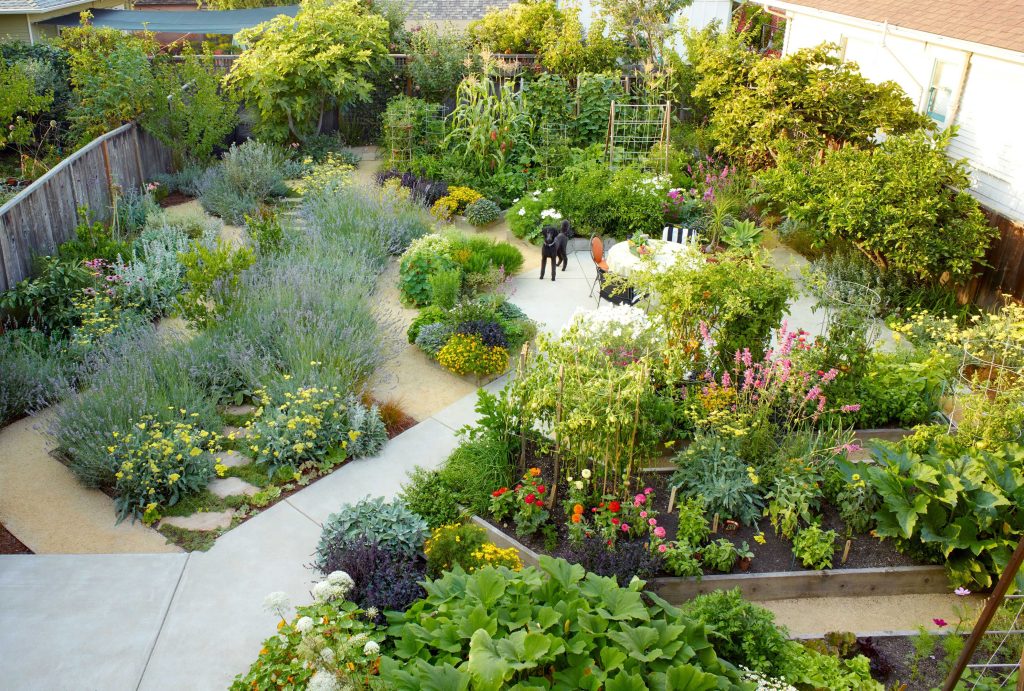
A sensory garden is a unique outdoor space designed to stimulate our senses through a variety of plants, textures, colors, and sounds. It serves as a haven for relaxation and exploration, inviting visitors to engage with nature in a meaningful way. These gardens are particularly beneficial for individuals with sensory processing challenges, such as autism, but they can be enjoyed by everyone. Imagine walking through a pathway lined with fragrant herbs, feeling the soft petals of flowers, listening to the soothing sound of water, and observing vibrant colors all around. A sensory garden is more than just a collection of plants; it’s an immersive experience that encourages connection with the environment and fosters emotional well-being.

What Is A Sensory Garden?
A sensory garden is a specifically designed space that stimulates the five senses—sight, sound, touch, taste, and smell. These gardens provide rich experiences, inviting people of all ages to explore nature in a unique way. They are especially beneficial for children and adults with sensory processing disorders, as well as for those who simply want to enjoy the beauty of nature.
Sensory gardens can be found in parks, schools, or even private backyards. The elements included in these gardens are purposefully selected to create a multi-sensory experience. By engaging with various plants, textures, and sounds, visitors can enjoy therapeutic benefits, relaxation, and improved mental health.
Key Elements of a Sensory Garden
When designing a sensory garden, several key elements are essential for creating an engaging environment. These include:
- Plants: Choose a variety of plants that appeal to all senses. For example, fragrant flowers like lavender or herbs such as mint can stimulate the sense of smell.
- Textures: Incorporate various textures through different plant leaves, rough stones, or soft moss. This allows visitors to feel and explore.
- Sounds: Use wind chimes, water features, or rustling leaves to add auditory elements. Sounds can create a calming atmosphere.
- Taste: Include edible plants, such as berries or herbs, to engage the taste buds. Visitors can pick and taste as they explore.
- Colors: Bright, colorful flowers can attract attention and delight the eyes. A variety of colors can create an inviting space.
Combining these elements ensures that visitors have a full sensory experience. People often leave these gardens feeling refreshed and rejuvenated.
Benefits of Sensory Gardens
Sensory gardens offer a wide range of benefits for individuals and communities. Some of these advantages include:
- Therapeutic Effects: Sensory gardens can provide therapeutic environments for people with dementia, autism, or other sensory processing disorders.
- Encouragement of Exploration: These gardens encourage curiosity and physical activity, as visitors naturally want to touch, smell, and experience the surroundings.
- Social Interaction: They can also serve as social spaces where individuals can engage in conversations and share experiences.
- Environmental Awareness: Sensory gardens can foster a love for nature and encourage sustainable practices in gardening.
These benefits highlight why sensory gardens are becoming increasingly popular in schools, hospitals, and community centers.
Designing a Sensory Garden
When embarking on the journey to design a sensory garden, there are a few critical factors worth considering.
Location
The site selection for a sensory garden is crucial. It should be accessible, safe, and in an area where people can enjoy the outdoors. Consider proximity to walking paths, seating, and shade from the sun.
Size and Layout
The size of the garden can vary. A small backyard can accommodate a sensory garden, while larger spaces can be designed with pathways, seating areas, and themed sections.
It’s essential to create an inviting layout that allows for exploration. Consider winding paths, open spaces, and spots for sitting and reflection.
Plant Selection
Choosing the right plants is vital. Select plants that bloom at different times of the year to ensure a continuous sensory experience.
Consider the following categories:
- Fragrant Plants: Lavender, rosemary, and jasmine.
- Textured Plants: Lamb’s ears, ferns, and succulents.
- Colorful Flowers: Sunflowers, marigolds, and tulips.
- Edible Plants: Strawberries, mint, and tomatoes.
Include a mix of perennials and annuals to create a garden that evolves over time.
Maintaining a Sensory Garden
Regular maintenance is essential for keeping a sensory garden vibrant and engaging. Here are some tips for ongoing care:
- Watering: Ensure that plants receive adequate water without becoming overwatered. Check the soil regularly.
- Pruning: Prune plants as needed to maintain shape and encourage new growth. This also helps keep the garden tidy.
- Weeding: Regularly remove weeds to prevent them from choking out the desired plants.
- Seasonal Upkeep: Change plants as seasons change, allowing for an ever-evolving sensory experience.
By maintaining the garden, you can ensure it continues to provide joy and healing to visitors.
Incorporating Other Elements
In addition to plants, you can incorporate several other elements that enhance the sensory experience.
Water Features
Water elements, such as small ponds, fountains, or bird baths, can add both sound and a visual aspect to the garden. The gentle sound of flowing water provides a soothing atmosphere and attracts birds, enhancing the overall experience.
Art Installations
Consider adding artistic elements, such as sculptures or colorful mosaics. These can serve as focal points within the garden, inviting visitors to pause and appreciate the creative aspects.
Seating Areas
Create areas where visitors can sit and relax. Benches, hammocks, or picnic tables encourage people to spend time in the garden, enhancing their connection with nature.
Community Involvement
Involve the community in the creation and upkeep of the sensory garden.
- Workshops: Offer workshops on planting and gardening to engage people of all ages.
- Volunteer Days: Organize community days where locals can help with planting or maintenance.
- Educational Programs: Collaborate with schools and local organizations to facilitate educational programs related to gardening and sensory exploration.
Community involvement not only enhances the garden but also fosters a sense of ownership and pride in the space.
Real-Life Examples of Sensory Gardens
Many sensory gardens exist around the world, each with unique features and themes.
Botanical Gardens
Many botanical gardens have special sections dedicated to sensory experiences. These areas often include plants designed to stimulate all five senses.
Therapeutic Gardens
Hospitals and rehabilitation centers frequently include therapeutic gardens as part of their patient care programs. These gardens promote healing and provide a peaceful environment for recovery.
School Gardens
Schools are increasingly incorporating sensory gardens into their curricula. These spaces allow children to learn about plants, ecosystems, and healthy eating while engaging in sensory exploration.
The variety of existing sensory gardens showcases how diverse these spaces can be.
Understanding the impact of these gardens on different communities helps highlight their importance.
Overall, sensory gardens are more than just a collection of plants. They promote emotional well-being, environmental education, and social interaction. By engaging all five senses, these gardens create spaces that invite exploration and connection with nature.
The creation of a sensory garden is a rewarding endeavor. It can be a refuge for individuals seeking solace and a place for families to gather and enjoy the wonders of nature.
What is a Sensory Garden?
Frequently Asked Questions
What elements are typically found in a sensory garden?
A sensory garden usually includes a variety of plants, flowers, and materials that engage the senses. You might find aromatic herbs like lavender, colorful blooms, tactile plants such as lamb’s ear, and textured pathways made from different materials. Some gardens may also incorporate water features, wind chimes, and seating areas to enhance the overall sensory experience.
Who can benefit from visiting a sensory garden?
People of all ages and abilities can benefit from visiting a sensory garden. These gardens are particularly useful for individuals with sensory processing disorders, autism, or other disabilities. However, everyone can enjoy the calming effects of nature and the opportunity to engage their senses, making sensory gardens a great destination for families, schools, and community groups.
How does a sensory garden support mental well-being?
Sensory gardens can significantly enhance mental well-being by providing a peaceful environment that encourages relaxation and mindfulness. Engaging with nature has therapeutic benefits, reducing stress and anxiety. The varied sensory experiences stimulate the mind and can foster a sense of connection to the environment, promoting overall emotional health.
Can sensory gardens be created in small spaces?
Yes, sensory gardens can be designed in small spaces, such as balconies, patios, or even indoor areas. Using container plants, vertical gardening, and strategically placing sensory elements like fragrant herbs or textured surfaces can create a vibrant sensory experience in limited areas. Creativity in design can make even a small space a delightful sensory exploration.
What role do sensory gardens play in education?
Sensory gardens serve as excellent educational tools, providing hands-on learning experiences for children and adults. They offer opportunities for lessons related to biology, ecology, and sensory exploration. Schools can incorporate sensory gardens into their curriculum to teach students about plants, the environment, and the importance of sensory experiences in daily life.
Final Thoughts
A sensory garden engages the senses through diverse plants, textures, colors, and fragrances. It serves as a therapeutic space, promoting relaxation and mindfulness while stimulating curiosity. What Is A Sensory Garden emphasizes the importance of creating an environment that invites exploration and interaction. By incorporating elements for touch, smell, sight, sound, and taste, these gardens provide a unique experience that enhances well-being and encourages connection with nature.