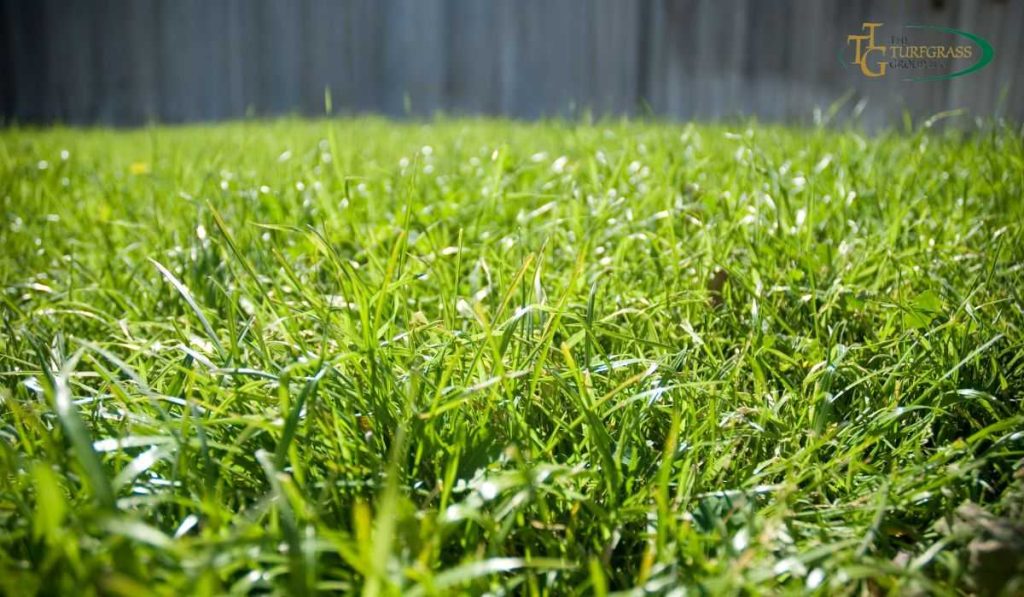
The best grass to overtake tall fescue is Kentucky bluegrass or Bermudagrass, as they are more aggressive and adapt well to various conditions. These grasses can outcompete tall fescue in terms of growth rate and density, making them ideal options for a lush, healthy lawn.
To quickly answer, Kentucky bluegrass and Bermudagrass are excellent choices to replace or outperform tall fescue, especially in warm or transitional climates. They establish faster, spread more vigorously, and create a dense turf that can choke out less aggressive grasses.
If you’re tired of dealing with the maintenance and uneven growth of tall fescue, you’re not alone. Many homeowners and landscapers seek alternatives that promise a thicker, more uniform lawn. The secret lies in choosing grasses like Kentucky bluegrass or Bermudagrass, which are known for their rapid spreading and resilience. These grasses can fill in bare patches and naturally suppress weeds, giving your yard a more manicured look. Transitioning from tall fescue to one of these grasses involves proper lawn care, but the results are worth the effort. Whether for aesthetic appeal or durability, selecting the right grass can transform your outdoor space into a vibrant, inviting area you’ll enjoy all season long.

What grass will overtake tall fescue?
Understanding Tall Fescue and Its Growth Pattern
Tall fescue is a popular cool-season grass known for its durability and tolerance to drought. Its deep root system allows it to survive in various soil conditions, making it a common choice for lawns and pastures. However, despite its resilience, tall fescue can be vulnerable to invasion by other grasses and weeds when conditions favor their growth.
Tall fescue typically grows in clumps with a dense, coarse leaf texture. While it is highly adaptable, it sometimes struggles against aggressive competitors that thrive in the same environment. This opens the door for other grasses to gradually overtake or fill in bare or thin spots in the lawn.
Why Do Other Grasses Overtake Tall Fescue?
Several factors contribute to grasses overtaking tall fescue, including environmental conditions, soil type, and lawn maintenance practices.
Warm-season grasses, for example, often take advantage of summer heat to expand rapidly. Additionally, certain weeds and invasive grasses have a natural advantage in quick germination and rapid growth, pushing tall fescue aside.
Proper management and understanding of competitive grasses help prevent or control these invasions, ensuring a healthy, uniform lawn.
Common Grasses That Can Overtake Tall Fescue
Various grasses and weeds have the potential to overtake tall fescue under the right conditions. Some of the most notable include:
| Grass Type | Growth Characteristics | Impact on Tall Fescue |
|---|---|---|
| Bermudagrass | Fast-growing, warm-season grass that thrives in warm climates | Quickly spreads and forms dense mats, overtaking tall fescue in summer |
| Zoysiagrass | Slow to establish but highly tolerant once mature | Outcompetes tall fescue in heat and drought, forming a thick carpet |
| Creeping Bentgrass | Low-growing, used often in golf greens, spreads via stolons | Gradually invades tall fescue areas, especially in shaded spots |
| Annual Bluegrass (Poa annua) | Quick germination in cool weather, invasive in lawns | Forms dense patches, displacing taller grasses like tall fescue |
| Weedy Grasses | Includes crabgrass, goosegrass, and others, rapid germination | Typically invades bare spots and disturbed areas, crowding out tall fescue |
How Do These Grasses Overtake Tall Fescue?
Many of these grasses outpace tall fescue due to their faster germination and growth rates. Warm-season grasses like bermudagrass become highly competitive during summer months, forming dense mats that block sunlight and nutrients from tall fescue.
In some cases, these grasses produce underground runners or stolons that spread quickly across the soil. Weeds like annual bluegrass can invade thin areas and establish themselves rapidly, pushing tall fescue aside.
Understanding these mechanisms helps in planning better lawn management strategies to prevent or mitigate invasion.
Environmental Factors Favoring Other Grasses
Environmental factors like soil temperature, moisture level, and sunlight exposure heavily influence which grasses dominate. For instance:
- Warm-season grasses flourish in hot, sunny climates and can overtake cool-season tall fescue during summer.
- Shaded areas favor creeping bentgrass or weeds like annual bluegrass that tolerate less sunlight.
- Poor soil fertility or compacted soil may encourage invasive or aggressive grasses to establish and spread.
Adjusting lawn care practices to these environmental factors can help maintain a balance and prevent unwanted grasses from overtaking tall fescue.
Strategies to Prevent Other Grasses from Overtaking Tall Fescue
Keeping tall fescue dominant involves proactive lawn management. Here are some effective strategies:
Proper Mowing Techniques
– Mowing at the correct height encourages healthy turf growth.
– Regular mowing helps prevent weeds and invasive grasses from establishing.
Consistent Watering and Fertilization
– Adequate watering keeps the grass healthy and competitive.
– Fertilize appropriately to strengthen tall fescue and discourage invasions.
Overseeding Bare or Thin Areas
– Regular overseeding fills in gaps before invasive grasses invade.
– Use high-quality seed to maintain a dense and vigorous turf.
Controlling Weeds and Invasive Grasses
– Apply pre-emergent herbicides in early spring to prevent weed germination.
– Use targeted post-emergent herbicides to eliminate existing invaders carefully.
Soil Management
– Aerate compacted soil to improve root growth.
– Test soil and amend as needed to support tall fescue health.
Choosing the Best Replacement or Complementary Grasses
If replacing tall fescue or adding complementary grasses, selecting species that coexist well can reduce invasion risk. Some options include:
- Perennial Ryegrass: establishes quickly, filling in gaps and supporting tall fescue.
- Fine Fescues: such as creeping red and chewings fescue, which tolerate shade and low fertility.
- Zoysiagrass: suitable in warmer climates, forms dense turf resistant to weeds.
Combining these grasses thoughtfully creates a resilient lawn resistant to invasion.
Additional Tips for Maintaining a Healthy Lawn
Healthy grass naturally resists invasion by weeds and other grasses. Additional maintenance practices include:
- Regularly inspecting the lawn for signs of invasive grasses or weeds.
- Promptly removing invasive plants to prevent spread.
- Maintaining proper watering schedules to avoid drought stress.
- Ensuring proper soil pH and fertility levels.
Applying these practices consistently helps maintain a desirable, vigorous tall fescue lawn.
Understanding the Lifecycle of Competitive Grasses and Weeds
Knowing the lifecycle of invasive grasses helps prevent their spread. Most weeds and invasive grasses germinate in specific seasons and produce seed or stolons to propagate.
For example:
- Crabgrass germinates in late spring and early summer, spreading quickly in warm temperatures.
- Annual bluegrass germinates in cool, moist conditions and can persist year-round in some areas.
By timing control measures appropriately, homeowners can limit the impact of these grasses on tall fescue.
Environmental Maintenance to Promote Tall Fescue Dominance
Maintaining optimal conditions discourages invasion. Strategies include:
- Ensuring proper drainage to prevent waterlogged soil.
- Adjusting mowing height to keep tall fescue vigorous.
- Applying appropriate fertilizers based on soil tests.
- Reducing lawn traffic to prevent soil compaction and bare patches.
A healthy, dense tall fescue turf is the best defense against overtaking grasses.
Summary of Key Points
– Several grasses and weeds have the potential to overtake tall fescue, especially under favorable conditions.
– Warm-season grasses like bermudagrass and creeping grasses such as creeping bentgrass are primary invaders.
– Proper lawn care, including mowing, watering, fertilizing, and overseeding, helps prevent invasion.
– Selecting compatible grasses for overseeding supports dominance and reduces invasion risk.
– Understanding environmental factors and grass lifecycle helps implement targeted control measures.
Maintaining a thick, healthy tall fescue lawn requires ongoing management tailored to your climate and soil. Staying vigilant and proactive helps ensure your turf remains lush, uniform, and competitive against invaders.
Bermuda Grass vs St. Augustine Grass | Warm Season Turf Types in Texas
Frequently Asked Questions
Which types of grasses are most effective at replacing tall fescue in a lawn?
Warm-season grasses like Bermuda grass and Zoysia tend to grow aggressively and can gradually outcompete tall fescue, especially in areas with higher temperatures. Additionally, certain cool-season grasses such as Kentucky bluegrass can establish quickly and sometimes overtake tall fescue in mixed lawns, depending on the growing conditions and maintenance practices.
What factors influence which grass will overtake tall fescue in a lawn?
Sunlight exposure, soil quality, watering habits, and mowing frequency significantly affect which grass species may overtake tall fescue. Grasses that are better adapted to your specific environment and that have a faster growth rate usually dominate, especially if they receive optimal care and less competition from weeds or invasive species.
Can overseeding with a different grass help control tall fescue expansion?
Overseeding with a drought-tolerant grass like Bermudagrass or Zoysia may gradually replace tall fescue, especially in warmer months. Proper overseeding improves lawn density, creating competition that can limit tall fescue’s spread and encourage the establishment of the new grass species.
How does turf maintenance influence which grass overtakes tall fescue?
Proper mowing height, fertilization, and watering can promote the growth of desired grasses and suppress tall fescue. For instance, lowering mowing height can encourage the growth of certain grasses that thrive at shorter heights, aiding in their ability to overgrow tall fescue over time.
Are there specific lawn renovation techniques that encourage the replacement of tall fescue?
Yes, practices such as aeration, topdressing, and selective overseeding with competitive grass species can help replace tall fescue. These methods improve soil conditions and establish a more competitive environment for new grasses to take hold and gradually displace tall fescue.
Final Thoughts
Certain grasses like Kentucky bluegrass and perennial ryegrass can overtake tall fescue in specific conditions. These grasses grow quickly and adapt well to various soil types, providing a lush alternative.
To compete effectively, choose a grass suited for your climate and soil. Regular overseeding helps maintain a healthy, dense lawn.
What grass will overtake tall fescue? It often depends on your environment, but Kentucky bluegrass and perennial ryegrass stand out as top contenders for superseding it.