The best fuel for lawn mowers is typically fresh, unleaded gasoline with the appropriate octane rating, usually 87 or higher, mixed with a small amount of fresh fuel if using a gas-oil mix. Using high-quality, clean fuel ensures your mower runs smoothly and efficiently, avoiding costly repairs and frustrating stalls.
In short, the ideal fuel for your lawn mower is fresh, unleaded gasoline suited to your mower’s specifications, possibly mixed with oil if it’s a two-stroke engine. Regularly using clean, high-quality fuel will keep your mower performing at its best and extend its lifespan.
When it comes to maintaining a lush, healthy lawn, a well-functioning mower is your best ally. Choosing the right fuel is key to ensuring your mower starts reliably and operates efficiently throughout the mowing season. Gasoline choices can seem overwhelming with options like ethanol blends and additives, but sticking to fresh, unleaded fuel with the recommended octane rating is your safest bet. Two-stroke engines require a specific mix of gasoline and oil, while four-stroke engines run best on pure unleaded fuel. Proper fueling not only keeps your mower running smoothly but also helps prevent engine problems, saving you time and money down the road. Stay tuned for tips on how to select and store the best fuel for a tidy, thriving lawn.

What Fuel Is Best for Lawn Mowers
Understanding the Basics of Lawn Mower Fuel
Choosing the right fuel for your lawn mower is essential for keeping it running smoothly. Different types of fuel can affect engine performance, fuel efficiency, and lifespan. Knowing what fuel to use helps avoid engine troubles and extends the life of your equipment.
Types of Fuel Used in Lawn Mowers
Lawn mowers typically run on gasoline, but not all gasoline is the same. Each type has unique properties that can benefit or harm your mower. Let’s explore the most common options:
- Regular Unleaded Gasoline: The most common fuel for push mowers and small riding mowers. Usually contains 87 octane.
- Premium Gasoline: Contains higher octane levels, around 89 to 93. Best for high-performance or newer engines designed for premium fuel.
- Ethanol-Blended Gasoline: Commonly found at gas stations, usually E10 (10% ethanol). Widely available and affordable but has some drawbacks.
- Pure Gasoline (E0): Contains no ethanol. Better for older engines or small engines where ethanol can cause issues.
- Alternative Fuels: Options like propane or compressed natural gas are less common but available for specialized lawn mowers.
The Pros and Cons of Ethanol-Blended Gasoline
Most gasoline today contains ethanol, which is made from renewable resources like corn. While it’s convenient, ethanol has some effects on lawn mower engines.
Advantages of Ethanol-Blended Gasoline
- Readily available at most gas stations
- Usually less expensive than pure gasoline
- Good for modern, fuel-injected engines
Disadvantages of Ethanol-Blended Gasoline
- Can cause older engines to run poorly or stall
- May absorb moisture leading to fuel separation
- Can damage rubber and plastic parts in small engines
- Shortens fuel shelf life, especially if stored for long periods
Why Pure Gasoline (E0) Is Better for Some Lawnmowers
Older engines, especially those without fuel injection, may perform better with pure gasoline. Ethanol can cause issues like corrosion or degraded fuel lines.
Advantages of E0 Gasoline
- Less likely to absorb moisture
- Reduces risk of engine knocking or stalling
- Better for small engines stored for a long time
Challenges of Using E0 Gasoline
- Less widely available
- Usually more expensive than ethanol-blended fuels
- Requires more effort to find at local stations
Octane Levels and Their Effect on Lawnmower Engines
Octane measures gasoline’s resistance to knocking or pinging in engines. Using the right octane level helps your mower run smoothly.
What Octane Level Do Lawn Mowers Need?
Most small engines run optimally on gasoline with an octane rating of 87. Higher octane fuels are unnecessary unless specified by the manufacturer.
Impacts of Using the Wrong Octane
- Lower octane may cause knocking, reducing engine efficiency
- Higher octane doesn’t necessarily improve performance in small engines
- Using the recommended octane level prevents engine damage and improves longevity
Fuel Additives and Stabilizers
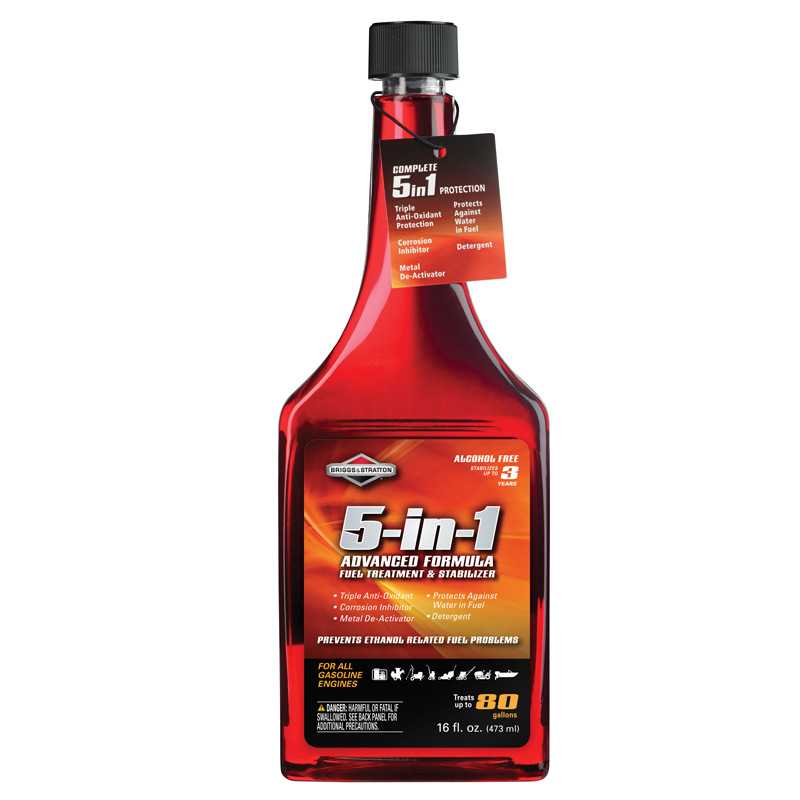
Adding stabilizers to gasoline extends its shelf life, especially if you store fuel during the off-season.
Benefits of Fuel Stabilizers
- Prevent fuel from degrading over time
- Help maintain engine performance
- Reduce moisture buildup and corrosion
How to Use Fuel Stabilizers
Follow the manufacturer’s instructions for dosage. Mix stabilizer with gasoline before storing or use it within the recommended timeframe.
Fuel Storage Tips for Lawn Mowers
Proper storage helps maintain fuel quality and keeps your mower ready to use.
Best Practices for Fuel Storage
- Use a sealed, approved container designed for fuel
- Store in a cool, dry place away from direct sunlight
- Replace stored fuel every 30 days or use fuel stabilizer
- Avoid overfilling to prevent spills and vapor buildup
Impact of Fuel Quality on Lawn Mower Performance
Using high-quality fuel ensures your mower runs efficiently and reduces the chances of engine issues. Lower-quality fuel can cause starting problems, rough running, and increased emissions.
Signs of Poor Fuel Quality
- Difficulty starting the engine
- Engine stalls or runs irregularly
- Excessive smoke or unusual odors
- Reduced mowing efficiency
Cost Considerations When Choosing Fuel
While premium fuels cost more upfront, they may save money by reducing repairs and increasing engine lifespan.
Economic Benefits of Using the Right Fuel
- Greater fuel efficiency
- Less maintenance and repairs
- Longer engine life
Summary: Finding the Best Fuel for Your Lawn Mower
Always follow your mower manufacturer’s recommendations for fuel type and octane level. Using the right fuel, with proper storage and additives, ensures optimal performance.
Related Topics
- How to Maintain Your Lawnmower for Better Performance
- Best Fuel Stabilizers for Lawn Mowers
- Understanding Small Engine Oil and Fuel Mixture
- Common Lawn Mower Problems and How to Fix Them
This comprehensive guide should help you select the perfect fuel for your lawn mower, ensuring it runs smoothly season after season. Remember, the key is using high-quality fuel suited to your mower’s engine and storing it properly when not in use.
Frequently Asked Questions
Can I use regular gasoline in my lawn mower?
Yes, most lawn mowers are designed to run on regular unleaded gasoline. However, it’s important to use gasoline with an octane rating of 87, as higher octane fuels are unnecessary and can sometimes harm the engine. Always check your mower’s manual for specific fuel recommendations to ensure optimal performance and engine longevity.
Is ethanol-blended fuel suitable for lawn mowers?
Many lawn mowers can run on ethanol-blended fuels, such as E10 (10% ethanol). However, fuels with higher ethanol content, like E15 or E85, can cause issues like engine corrosion and fuel separation. To avoid these problems, it’s best to use ethanol-blended fuel with a lower ethanol percentage or opt for ethanol-free gasoline, especially if you store your mower for extended periods.
Should I use fresh fuel or can I reuse old gasoline in my mower?
Using fresh gasoline ensures your lawn mower runs smoothly and prevents engine problems. Old fuel can degrade over time, leading to poor combustion, starting difficulties, and clogged fuel lines. If you need to store gasoline for future use, consider adding fuel stabilizer, and always use the oldest fuel first to maintain engine health.
Are premium fuels beneficial for lawn mower engines?
Premium fuels, with higher octane ratings, are generally unnecessary for most lawn mower engines. These engines are built to run efficiently on standard octane fuel. Using premium gasoline typically adds unnecessary cost without improving performance or extending engine life, unless your mower’s manual explicitly recommends it.
What additives should I consider adding to my mower’s fuel?
Adding fuel stabilizer helps prevent the gasoline from degrading during storage, especially in climates with seasonal use. Other additives, like fuel system cleaners, can help keep carburetors clean and improve engine performance. Always follow the manufacturer’s instructions when choosing and adding fuel additives to avoid damaging your mower.
Final Thoughts
The best fuel for lawn mowers is typically fresh, unleaded gasoline with a minimum octane rating of 87. Using the right fuel ensures optimal engine performance and longevity. Avoid old or contaminated fuel to prevent engine problems. When choosing fuel, prioritize quality to keep your lawn mower running smoothly and efficiently.