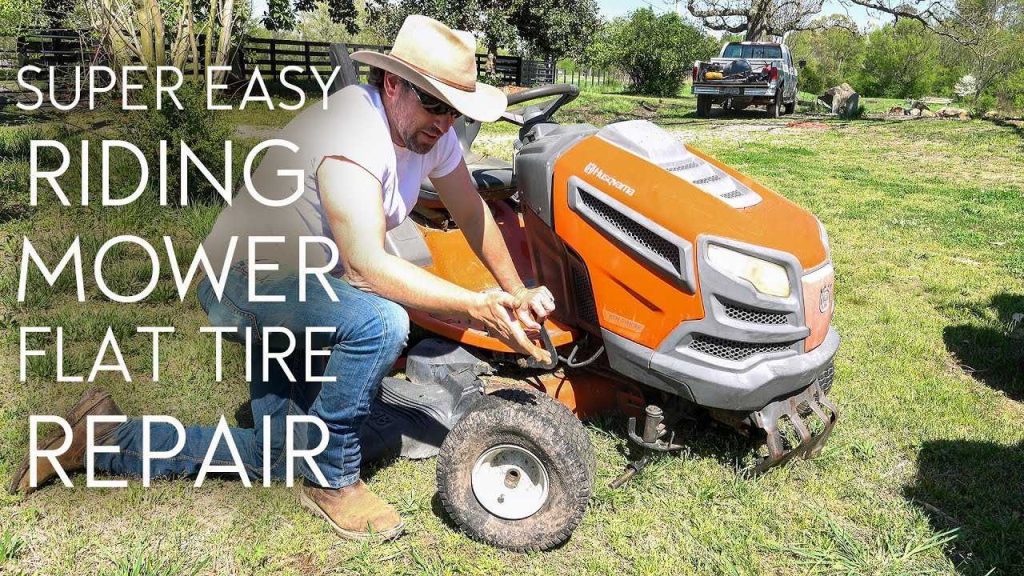
To fix a tire on a riding lawn mower quickly, start by safely elevating the mower and removing the wheel. Then, inspect the tire for punctures or damage, patch or replace the tube if needed, and finally reinstall the wheel securely. Always ensure the tire is properly inflated before using the mower again for optimal performance.
If your riding lawn mower’s tire is flat or damaged, don’t worry—fixing it is more straightforward than you might think. You’ll need some basic tools, a replacement tube or patch kit, and a little patience. The process involves removing the wheel, identifying the issue, repairing or replacing the inner tube or tire, and then reassembling. With a bit of know-how, you can get your mower back in shape quickly and save money on repairs. Whether it’s a puncture or a slow leak, fixing your mower’s tire at home is a practical skill that keeps your lawn looking pristine without needing professional help.

How to Fix a Tire on a Riding Lawn Mower
Understanding Why Your Tire Needs Fixing
A flat or damaged tire can stop your lawn mower in its tracks. Common causes include punctures from debris, worn-out tires, or improper inflation. Identifying the problem early helps you choose the right repair method and get back to mowing quickly. Before fixing, examine the tire thoroughly to look for nails, cuts, or other visible damage.
Gathering the Necessary Tools and Supplies
Before beginning repairs, gather all essential tools and materials. Having everything on hand makes the process smoother and faster. You will typically need:
- Screwdriver or pliers
- Valve core removal tool
- Air compressor or tire pump
- Patch kit or tire plug kit
- Wrench or socket set
- Soap and water solution
- Gloves and eye protection
Ensure your workspace is clear, and your mower is on a stable, flat surface.
Safely Removing the Tire from the Mower
Start by turning off the mower and disconnecting the spark plug to prevent accidental startup. Use a wrench or socket set to loosen the wheel bolts securing the tire. If your mower has hubcaps or covers, remove them first. Carefully lift the mower or wheel to take the tire off the axle, ensuring you don’t damage any parts.
Inspecting and Diagnosing the Tire Damage
Once the tire is removed, examine it closely. Look for punctures, cuts, or cracks in the rubber. If you see a nail or other object, mark its location. Check the tread for excessive wear or missing chunks. Confirm if the tire has a slow leak by adding soapy water and watching for bubbles forming.
Deciding Between Patching and Replacing
Based on your inspection, decide whether to patch the tire or replace it entirely. Small punctures in the tread area are often repairable with a patch or plug. However, sidewall damage or large cracks usually mean the tire needs replacement. Remember, a compromised tire can be dangerous if repaired improperly.
How to Patch a Tire
To patch the tire, follow these steps:
- Identify the puncture and mark it clearly.
- Remove any debris from the hole using pliers or a screwdriver.
- Use a tire repair kit to insert a patch or plug into the puncture.
- Follow the kit instructions carefully for a secure seal.
Ensure the patch is firmly pressed and the area is dry before reinflating the tire.
Replacing the Tire
If the tire is beyond repair, replace it with a new one. Select a matching size and tread pattern compatible with your mower. To replace:
- Remove the old tire completely from the wheel if necessary.
- Align the new tire on the wheel, ensuring it seats properly over the rim.
- Use tire levers if needed, and secure the tire with the appropriate tools.
Double-check the fit and ensure the tire bead is properly seated.
Refilling and Reinflating the Tire
After patching or replacing, inflate the tire to the recommended pressure, which is usually marked on the tire sidewall or mower manual. Use an air compressor or manual pump for this task. Add air gradually and check the pressure with a gauge. Proper inflation helps prevent future flats and ensures optimal mower performance.
Reinstalling the Tire on the Mower
Position the tire back onto the axle carefully. Hand-tighten the wheel bolts or nuts first, then use a wrench or socket set to secure them firmly. Do not overtighten, as this can damage the wheel or axle. Reattach any hubcaps or covers removed earlier. Reconnect the spark plug and turn on the mower to test the repair.
Performing a Final Inspection
Before mowing again, inspect the tire for proper inflation and secure mounting. Check for leaks by applying soapy water around the tire’s surface and observe for bubbles. Confirm that the tire is stable and rides smoothly when you move the mower.
Preventing Future Tire Problems
Routine maintenance can extend your tire’s lifespan. Regularly check tire pressure before each mowing session. Remove debris and sharp objects from your yard to avoid punctures. Store your mower in a dry, sheltered place when not in use to prevent weather-related damage. Consider upgrading to puncture-resistant tires if you frequently encounter sharp objects.
Additional Tips for Maintaining Your Riding Lawn Mower’s Tires
Keeping your tires in top condition involves simple but regular steps:
- Inspect tires every few weeks for damage or wear.
- Maintain correct tire pressure as specified by the manufacturer.
- Clean tires to remove mud and debris that can cause punctures or wear.
- Replace worn tires promptly to avoid uneven mowing or damage to the mower.
Proper maintenance not only fixes current issues but also prevents future problems from arising.
Common Mistakes to Avoid When Fixing a Tire
Be cautious to avoid these common pitfalls:
- Using incompatible patch or plug kits that don’t suit your tire type.
- Over- or under-inflating the tire after repair or replacement.
- Forgetting to secure the wheel bolts tightly enough.
- Reusing tires with sidewall damage or excessive wear.
- Ignoring signs of slow leaks or irregular tire wear during routine checks.
Steering clear of these mistakes ensures a safer and more durable repair.
When to Seek Professional Help
If you’re unsure about repairing your tire or if the damage is extensive, consult a professional. Heavy damage or complex issues like sidewall cracks require expert assessment. Visiting a small engine repair shop guarantees your tire is fixed correctly and safely.
Summary
Fixing a tire on a riding lawn mower involves proper diagnosis, selecting the right repair method, and careful execution. Regular maintenance and inspections can prevent many tire problems before they occur. Whether patching a small puncture or replacing a worn-out tire, taking your time ensures your mower stays in good shape for the long term.
How to mount a small riding mower tire. Very easy method.
Frequently Asked Questions
What tools do I need to replace a damaged tire on my riding lawn mower?
You will need a tire iron or lug wrench, a jack suitable for lifting your mower, and possibly a wrench or socket set. If the tire is punctured, have sealant or a patch kit ready. Make sure you wear gloves to protect your hands during the process. Having these tools prepared will make removing and replacing the tire straightforward and safe.
How can I safely lift my riding lawn mower to access the tire?
Place the mower on a flat surface and engage the parking brake. Use a jack rated for the mower’s weight, positioning it under the frame or designated lift points. Lift the mower slowly until the tire is off the ground, ensuring it feels stable before proceeding. Always follow the jack manufacturer instructions to prevent accidents and ensure stability during the tire repair process.
What steps should I follow to remove the old tire from the wheel assembly?
Begin by deflating the tire completely if it isn’t already flat. Use a tire iron or lug wrench to loosen and remove the lug nuts securing the tire to the wheel. If the tire is stuck, gently tap around the edges with a rubber mallet to loosen it. Carefully pull the tire away from the rim, keeping track of how the parts come apart to facilitate the installation of the new tire.
How do I fix a puncture or small tear in a riding lawn mower tire?
Locate the puncture or tear and mark the spot. Remove the tire from the wheel if necessary, then clean and dry the area around the damage. Use a tire patch kit or sealant according to the instructions. For small holes, applying the sealant might be enough, but larger tears may require patching with a rubber repair kit. Reinstall the tire once you ensure the repair is secure and airtight.
What should I do after installing a new or repaired tire on my mower?
Mount the tire back onto the wheel assembly carefully, tighten the lug nuts evenly in a crisscross pattern, and lower the mower to the ground. Reinflate the tire to the recommended pressure specified in the mower’s manual. Check that the tire sits properly on the rim and that all nuts are tight. Take a short test drive on a flat surface to ensure the tire performs correctly and is securely attached.
Final Thoughts
To fix a tire on a riding lawn mower, start by safely turning off the mower and disconnecting the spark plug. Remove the wheel using a wrench, then deflate the tire completely. Inspect the tire for punctures or damage, and patch or replace it as necessary. Reassemble the wheel and inflate the tire to the recommended pressure. Properly fixing your mower’s tire ensures smooth operation and a clean cut every time.