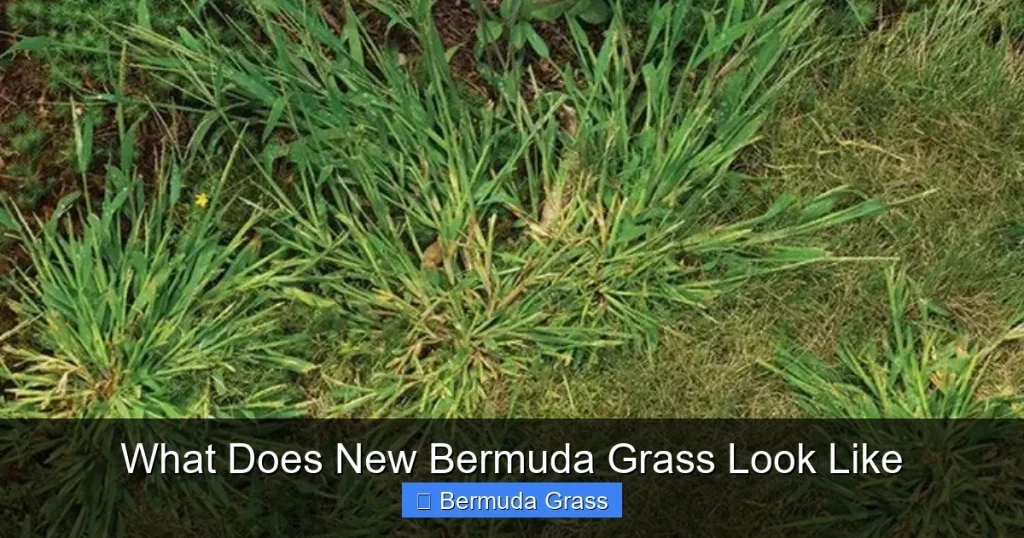
Establishing a new Bermuda grass lawn is an exciting process, and understanding its visual development is key to success. Whether you’re planting from seed, laying sod, or spreading sprigs, the appearance of your new Bermuda grass will vary significantly at first. This guide explores the distinct visual characteristics of Bermuda grass during its initial growth phases, helping you identify healthy development and understand what to expect as your lawn establishes itself. Learn to recognize vibrant green blades, developing root systems, and the characteristic spreading habit that signals success.
What Does New Bermuda Grass Look Like?
Starting a new lawn or renovating an existing one with Bermuda grass is a popular choice for many homeowners, especially in warmer climates. Known for its incredible durability, heat tolerance, and beautiful lush appearance, Bermuda grass creates a stunning landscape. But if you’re new to this grass type, or new to lawn care in general, you might be wondering: “What does new Bermuda grass look like?”
The answer isn’t always straightforward because the appearance of new Bermuda grass can vary quite a bit depending on how it was planted – whether from seed, sod, or sprigs/plugs. It also changes as it grows and establishes itself. This comprehensive guide will walk you through the visual journey of new Bermuda grass, helping you identify healthy growth, understand what to expect at different stages, and even spot potential issues early on. Let’s dive in and learn to recognize the promising signs of a beautiful, thriving Bermuda lawn!
Key Takeaways
- Appearance Varies by Method: The initial look of new Bermuda grass differs significantly depending on whether it’s established from seed, sod, or sprigs/plugs.
- Seedlings are Delicate: New Bermuda grass from seed begins as tiny, thin, light green blades before thickening, darkening, and starting its characteristic spreading growth.
- Sod Offers Instant Beauty: Freshly laid Bermuda sod provides an immediate, uniform green lawn, but requires careful watering to ensure its roots firmly establish into the underlying soil.
- Sprigs/Plugs Start Sparsely: When using sprigs or plugs, expect to see bare soil with small green shoots initially. The lawn will gradually fill in as runners spread across the area.
- Healthy Growth is Vibrant Green: Regardless of the planting method, healthy new Bermuda grass will typically exhibit a vibrant, medium-to-dark green color, fine-to-medium blade texture, and visible signs of creeping growth via stolons.
- Troubleshooting Visual Cues: Yellowing, browning, sparse patches, or uneven growth in your new Bermuda grass can be indicators of issues such as improper watering, nutrient deficiencies, or potential pest/disease problems.
- Patience and Consistent Care are Crucial: Nurturing your new Bermuda grass requires consistent watering, proper first mowing, and a bit of patience to allow its robust root system and vigorous spreading habit to fully establish.
Understanding the “New” in New Bermuda Grass
Before we explore the specific looks, let’s clarify what we mean by “new.” New Bermuda grass refers to turf that is in its establishment phase. This period can last anywhere from a few weeks to several months, depending on the planting method and environmental conditions. During this time, the grass is focusing its energy on developing a strong root system, spreading across the soil, and becoming self-sufficient. Its appearance will reflect these developmental stages.
The method you choose for planting your new Bermuda grass is the primary determinant of its initial visual characteristics. Each method presents a unique starting point and progression:
- From Seed: You’ll start with bare soil, waiting for germination.
- From Sod: You’ll begin with an instant green carpet.
- From Sprigs or Plugs: You’ll see patches of grass that need to spread.
Let’s look at each of these in detail to understand what new Bermuda grass looks like in every scenario.
The Look of New Bermuda Grass from Seed
Planting new Bermuda grass from seed is the most economical method, but it requires the most patience. The visual transformation from bare soil to a lush lawn is quite dramatic.
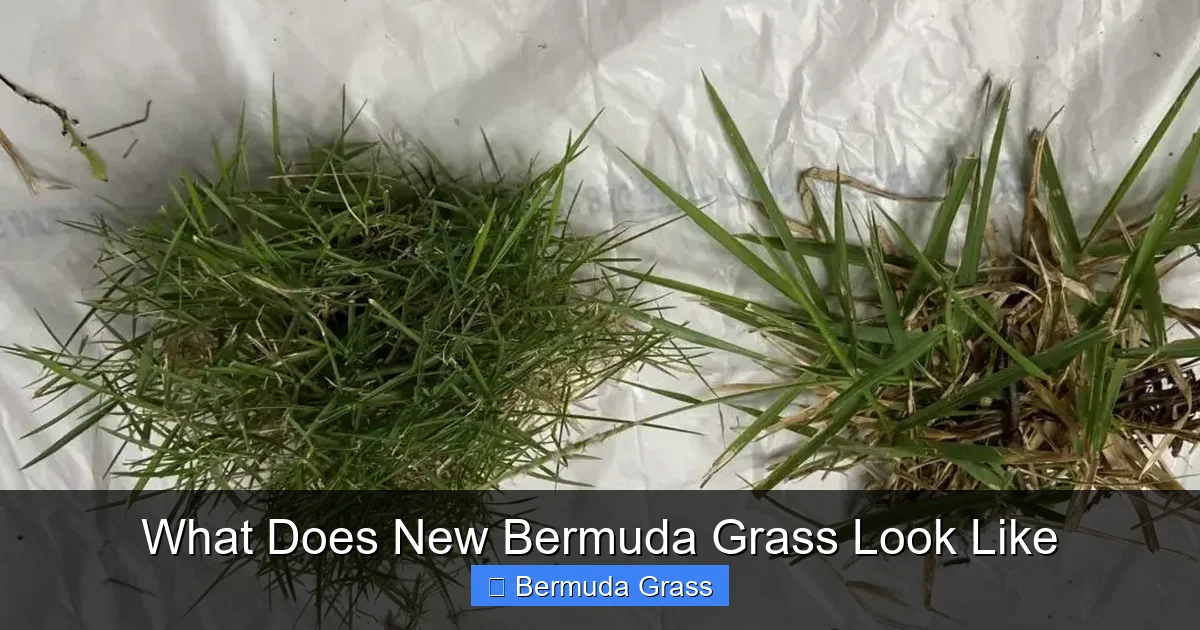
Visual guide about What Does New Bermuda Grass Look Like
Image source: batonrougesod.com
Initial Germination (Tiny Blades)
After about 7-14 days (depending on soil temperature and moisture), you’ll start to see the first signs of life. What does new Bermuda grass look like at this stage? It will appear as extremely fine, almost hair-like threads emerging from the soil. These are the cotyledons, the first embryonic leaves. They are typically a very light green, sometimes almost yellowish-green, and are incredibly delicate. You might need to look closely to spot them.
- Appearance: Pin-thin, short, often sparse, very light green to yellowish-green.
- Texture: Extremely fragile, almost like a wispy fuzz on the soil surface.
Early Growth (Thin, Wispy, Light Green)
Over the next few weeks, as the seedlings mature, they will develop their true leaves. The new Bermuda grass will still look quite thin and wispy, but you’ll notice more blades appearing, and the color will begin to deepen slightly to a brighter green. The individual blades remain narrow and upright initially, often growing in small clusters. At this point, the ground might still be quite visible between the young plants, giving the lawn a somewhat patchy or “fuzzy” appearance.
- Appearance: More numerous, slightly longer and wider blades than initial germination, but still thin. Brighter green color.
- Texture: Soft, somewhat delicate.
- Coverage: Sparse, with visible soil between clusters of grass.
Developing Root System and Tillering (Spreading)
As your new Bermuda grass continues to grow, usually around 4-6 weeks after germination, it will start to “tiller” – producing new shoots from the base of the plant. This is also when Bermuda grass truly begins its characteristic spreading habit by sending out stolons (above-ground runners). What does new Bermuda grass look like when it’s spreading? You’ll see slender green stems creeping horizontally across the soil surface, rooting down as they go. The blades will become denser, the color will deepen to a more uniform medium green, and the lawn will start to look less patchy and more like a continuous cover. The individual grass plants become more robust.
- Appearance: Denser, more uniform medium green. Visible stolons (runners) extending across the soil.
- Texture: Firmer blades, forming a more cohesive turf.
- Coverage: Gradually filling in, reducing visible soil.
Tip for Seeding: Keep the soil consistently moist (but not waterlogged) during germination and early growth. This is crucial for successful establishment of new Bermuda grass.
The Look of New Bermuda Grass from Sod
Laying sod is the quickest way to achieve an instant lawn. The “new” aspect here refers more to the grass’s root establishment than its top growth.
Immediately After Installation (Uniform, Dark Green)
When you first lay new Bermuda grass sod, it looks magnificent! You have an instant, uniformly dense, dark to medium green lawn. The blades are already mature, typically cut to a standard height, and present a very polished appearance. The most noticeable features will be the seams where the sod rolls or squares meet. While the grass itself looks established, the underlying roots are not yet anchored to your soil.
- Appearance: Dense, uniform medium to dark green. Mature blades. Visible seams between sod pieces.
- Texture: Thick, firm, and lush.
- Coverage: 100% immediate coverage.
The Rooting-In Phase (Seams Disappearing, Firm Attachment)
Over the next 2-4 weeks, the new Bermuda grass sod will be busy sending its roots down into the prepared soil beneath. Visually, the most obvious change will be the gradual disappearance of the seams between the sod pieces as the grass grows together and the roots anchor it. You can gently tug on a corner of a sod piece; if it resists and feels firmly attached, it’s rooting well. The grass color should remain a vibrant green, indicating good health and successful establishment. Any yellowing or browning can be a sign of inadequate watering or stress.
- Appearance: Seams fade, grass continues a vibrant green. Resists lifting when gently tugged.
- Texture: Continues to feel dense and firm.
- Coverage: Still 100%, but now fully anchored.
Early Mowing Appearance
Once your new Bermuda grass sod has rooted in, it will be ready for its first mow. After mowing, a healthy new Bermuda grass lawn will look neat, tidy, and continue to grow vigorously. You’ll notice fresh green growth quickly, signaling its active establishment. Any scalping (cutting too short) or uneven cutting might make it look temporarily stressed, so proper mowing height is crucial.
Tip for Sod: Keep the sod and the underlying soil thoroughly moist for the first 2-3 weeks to encourage deep root growth. Avoid walking on it excessively until it’s firmly rooted.
The Look of New Bermuda Grass from Sprigs or Plugs
Using sprigs (runners) or plugs (small sections of sod) is a middle-ground approach in terms of cost and establishment time. The look of new Bermuda grass from these methods starts sparse and gradually fills in.
Post-Planting (Bare Soil with Small Green Shoots)
Immediately after planting sprigs or plugs, your lawn will look mostly like bare soil with small patches or lines of green grass. Sprigs are pieces of Bermuda grass stolons (runners) and rhizomes (underground stems) that are spread over or lightly buried in the soil. Plugs are small, pre-grown sections of turf inserted into holes in the ground. What does new Bermuda grass look like here? You’ll see individual green shoots or small clumps of grass, spaced out, with plenty of exposed soil in between.
- Appearance: Mostly bare soil with small, isolated green shoots or clumps of grass.
- Texture: Small sections of mature-looking blades.
- Coverage: Very sparse, with significant visible soil.
Initial Spreading (Runners Appearing)
Within 3-6 weeks, if conditions are favorable, you’ll start to see the magic happen. The planted sprigs and plugs will send out new runners (stolons) horizontally across the bare soil. These runners are characteristic of new Bermuda grass spreading. They will be long, slender green stems with nodes that produce new leaves and roots as they creep along. This is the visual cue that your new Bermuda grass is actively establishing and trying to cover the ground.
- Appearance: Visible green runners extending from planted sprigs/plugs across the soil. New leaf growth along these runners.
- Texture: Fine to medium blades emerging from the runners.
- Coverage: Still patchy, but visibly expanding.
Filling In (Patches Connecting)
Over the next few months (it can take 2-4 months or even a full growing season), these runners will continue to spread, root, and produce more shoots, gradually filling in the spaces between the initial plantings. What does new Bermuda grass look like as it fills in? The lawn will transform from distinct patches to a more continuous, albeit still developing, green carpet. The color will be a consistent medium green, and the density will increase significantly. Eventually, the entire area will be covered, creating a dense, uniform stand of new Bermuda grass.
- Appearance: Patches of grass merge, creating a more continuous green surface. Density increases.
- Texture: Uniform, firm turf.
- Coverage: Progressing towards full coverage, with minimal visible soil.
Tip for Sprigs/Plugs: Ensure good soil contact for the sprigs/plugs and keep the area consistently moist to encourage rapid root development and spreading of the new Bermuda grass.
Key Characteristics of Healthy New Bermuda Grass
Regardless of the method used, once your new Bermuda grass is establishing itself well, certain visual characteristics signal its health and vitality.
Color (Vibrant Green)
Healthy new Bermuda grass will exhibit a vibrant, medium-to-dark green color. The intensity of the green can vary slightly depending on the specific cultivar and nutrient levels, but it should never look pale, yellowish, or brown (unless it’s dormant, which shouldn’t happen during establishment). A consistent, rich green throughout the new growth is a great sign.
Blade Texture (Fine to Medium)
Bermuda grass is known for its relatively fine to medium blade texture. The blades of healthy new Bermuda grass will feel firm but not stiff, and they will be narrow. If the blades look coarse or unusually wide, it might be a different grass type or a stressed plant trying to compensate.
Growth Habit (Creeping, Stolons/Rhizomes)
The most distinctive characteristic of Bermuda grass is its aggressive spreading growth. You should observe visible stolons (above-ground runners) creeping along the soil surface. These stolons are crucial for the lawn to fill in and thicken. Below the surface, healthy new Bermuda grass will also develop rhizomes (underground runners), which further contribute to its dense, intertwined root system.
Root Development (Strong, White Roots)
While you can’t easily see them without digging, healthy new Bermuda grass has a robust, white root system. If you carefully lift a small section of newly rooted sod or gently examine a plug, you should see white, fibrous roots growing downwards into the soil. White roots indicate active growth and nutrient uptake, whereas dark or mushy roots can signal problems like overwatering or disease.
What Unhealthy New Bermuda Grass Might Look Like (Troubleshooting)
Sometimes, your new Bermuda grass might not look quite right. Recognizing these visual cues early can help you diagnose and address issues before they become severe.
Yellowing or Browning Patches
One of the most common signs of distress in new Bermuda grass is discoloration. If you see patches turning yellow or brown, it could indicate several problems:
- Under-watering: The grass is drying out, especially the new, delicate roots. The blades might look dull and curled.
- Over-watering: Roots are suffocating due to lack of oxygen, leading to root rot. The grass might look waterlogged and then turn yellow or brown.
- Nutrient Deficiency: Lack of essential nutrients, often nitrogen, can cause an overall pale green to yellow appearance.
- Disease: Fungal diseases can cause distinct patterns of yellow or brown patches, often with visible lesions on the blades.
Sparse or Uneven Growth
If your new Bermuda grass isn’t filling in as expected, or if some areas are much thinner than others, consider these:
- Poor Seed/Sod/Sprig Contact: If the grass wasn’t properly pressed into the soil, roots can’t establish well.
- Uneven Watering or Sunlight: Areas receiving too little water or light will struggle to grow.
- Soil Compaction: Hard, compacted soil prevents root penetration and nutrient uptake.
- Pest Infestation: Insects like grubs can feed on new roots, leading to thinning patches.
Wilting or Drooping Blades
When the blades of your new Bermuda grass appear limp, drooping, or have a bluish-gray cast, it’s typically a sign of severe water stress. This means the grass is not getting enough moisture to support its structure and is heading towards dormancy or death. Immediate watering is usually required.
Weed Invasion
While not a direct sign of unhealthy grass, new Bermuda grass, especially from seed, can be highly susceptible to weed competition. Weeds look different from your new Bermuda grass (often broader leaves, different color) and will compete for water, nutrients, and sunlight, hindering your lawn’s establishment. A lawn choked with weeds signals that your young Bermuda grass is facing tough competition.
Practical Tips for Nurturing Your New Bermuda Grass
To ensure your new Bermuda grass develops into the healthy, vibrant lawn you desire, consistent and proper care is essential.
Watering Schedule
This is arguably the most critical factor for new Bermuda grass. Keep the soil consistently moist but avoid standing water. For seeds, mist frequently (2-4 times a day) to prevent drying out. For sod, water deeply once or twice a day for the first few weeks, ensuring the soil 4-6 inches deep is saturated. Gradually reduce frequency as the grass roots in, transitioning to deeper, less frequent watering to encourage strong root development.
First Mowing
Don’t mow too early! For new Bermuda grass from seed, wait until it’s about 2-3 inches tall and has rooted enough that it doesn’t pull out when gently tugged. For sod, wait until it’s firmly rooted (2-3 weeks). Always follow the “one-third rule,” removing no more than one-third of the blade height at a time. A sharp blade is crucial to avoid tearing the delicate new grass.
Fertilization
A starter fertilizer designed for new lawns can be beneficial to encourage root growth. Apply it according to package directions, typically before or immediately after planting. Once the new Bermuda grass is established (around 6-8 weeks for seed, 4-6 weeks for sod/sprigs), you can switch to a regular Bermuda grass fertilizer program.
Weed Control
Weeds are a nuisance for new Bermuda grass. For seeded lawns, manual removal is often the safest option initially, as many herbicides can harm young seedlings. For sod, you have a head start, but new weeds can still emerge. Consider a pre-emergent herbicide designed for new sod after the roots are established, or spot treat actively growing weeds with appropriate post-emergent products, always checking labels for compatibility with young turf.
Patience is Key
Establishing new Bermuda grass takes time, especially from seed or sprigs. Don’t get discouraged if it doesn’t look perfect overnight. Consistent care, monitoring, and timely adjustments will lead to a beautiful, dense Bermuda lawn over time. The transition from sparse to lush is a journey!
Conclusion
Understanding “what does new Bermuda grass look like” is the first step towards successfully establishing a resilient and beautiful lawn. Whether you start with the delicate threads of new Bermuda grass seedlings, the instant gratification of sod, or the gradual fill-in from sprigs, each method presents its unique visual journey.
By learning to recognize the vibrant green color, fine texture, spreading stolons, and robust root development of healthy new Bermuda grass, you’ll be well-equipped to nurture your lawn. And by familiarizing yourself with the warning signs of yellowing, sparse growth, or wilting, you can address issues promptly. With consistent watering, proper mowing, and a good dose of patience, you will soon enjoy the dense, luxurious turf that makes Bermuda grass a top choice for warm-season lawns. Happy growing!