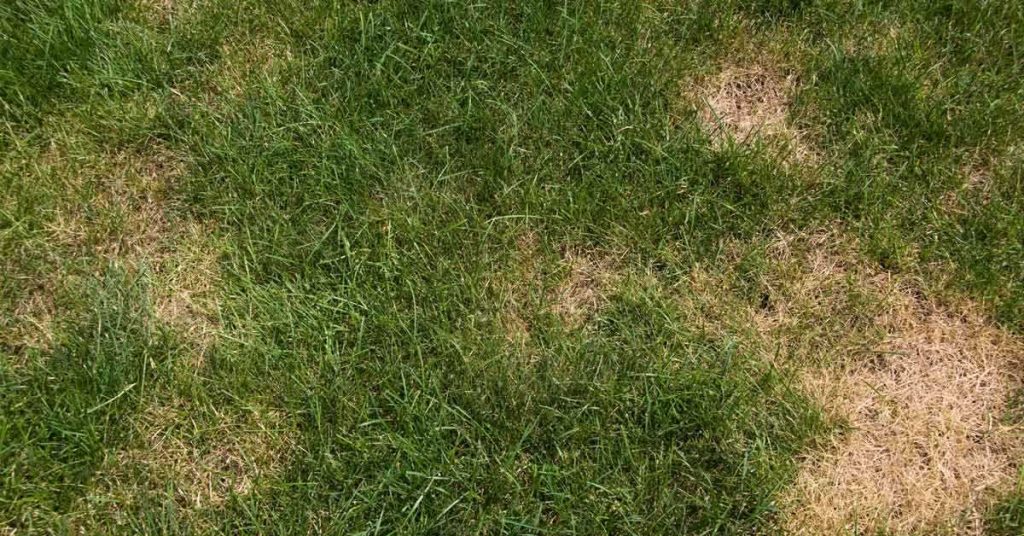
Lawn insect damage can turn a lush, green yard into a patchy, lifeless mess almost overnight. To spot it early, look for irregular patches of dead or thinning grass, usually accompanied by visible insects or their telltale signs like slime trails or holes. Damage often appears as small, ragged patches that expand over time, leaving your lawn looking unhealthy and uninviting. Recognizing these symptoms quickly can help you catch the problem before it worsens and your entire yard suffers.
In a nutshell, lawn insect damage usually shows up as irregular patches of dying grass, with signs like sudden thinning, holes, or insects on the surface. Identifying these early changes allows for prompt action and can save your lawn from complete destruction.
Insect damage to a lawn is often subtle at first but can quickly escalate if not addressed. Tiny insects such as grubs, armyworms, or chinch bugs are common culprits. They feed on the roots or blades of grass, causing the plants to weaken, brown, and die off. You might also notice increased activity of these pests, such as insects crawling on the lawn or small holes where they burrow. Sometimes, the damage resembles drought stress, but the key difference is the presence of insects or their larvae. Being able to distinguish insect damage from other lawn problems can help you choose the right treatment and restore your yard’s health.

What Does Lawn Insect Damage Look Like?
Understanding the signs of insect damage on your lawn is essential to keeping it healthy and lush. Many homeowners struggle to tell the difference between insect damage and other lawn issues like drought or disease. Recognizing the specific characteristics of insect harm can help you act quickly and choose the right treatment.
Common Signs of Lawn Insect Damage
Detecting insect damage begins with observing your grass closely. Look for irregular patches where the grass is thinning or dying. These patches often start small but can quickly spread if not addressed. The damage may appear as bare spots, discoloration, or uneven growth. Noticing these early signs can prevent more extensive lawn problems later.
Irregular Brown or Yellow Patches
One clear indicator of insect damage is the presence of brown or yellow patches in your lawn. These patches might have a distinct shape or seem to appear suddenly. Insects like grubs feed on roots, causing the grass to die and turn brown. The affected areas may be soft or spongy when pressed.
Thin or Patchy Grass
Insects often eat the roots or blades, making the grass thin or patchy. You may see areas where the grass looks thinner than the rest of the lawn. Sometimes, these patches seem to lift easily when you lift the turf. This is often a sign of underground insects such as grubs or mole crickets.
Visual Clues on the Surface
Sometimes, insect damage is visible on the surface of the lawn. These signs can include chewed or ripped grass blades and small holes scattered throughout the yard. Be on the lookout for insects themselves or their shed skins and droppings.
Chewed Grass and Tunnels
Many insects chew on grass blades, leading to ragged edges. You may also notice winding tunnels or trails across the soil. These are often made by insects like chinch bugs or armyworms. The trails can be a clue to the insect’s presence below the surface.
Faded or Discolored Areas
Insects feeding on the plant sap or roots can cause grass to lose its vibrant green color. Instead, affected areas look dull or bleached. In some cases, the grass may appear as if it has been “mowed” unevenly.
Insect Identification and Damage Patterns
Different insects cause distinct damage patterns. Recognizing these patterns can help you identify the pest responsible and choose the best solution.
Grubs
Grubs are larvae of beetles like Japanese beetles or June bugs. They damage roots, leading to loose, easily lifted turf. They often cause large patches of dead grass that pull up like a carpet.
Chinch Bugs
Chinch bugs feed on the sap of grass blades and stems. Damage appears as small brown spots that spread quickly. These insects tend to gather around the base of grass blades, especially in sunny areas.
Armyworms and Cutworms
These caterpillars chew on grass blades, creating ragged, irregular edges. They often appear in large numbers, especially during late summer or fall. Damage starts as small holes but can quickly turn into large bald spots.
Damage to Specific Types of Grass
Different grass types react differently to insect damage, and certain pests prefer particular grasses.
Cool-Season Grasses
Types like Kentucky bluegrass, fescue, and ryegrass are susceptible to insects like sod webworms and armyworms. Damage often appears in late spring or fall, with patches of dead or thinning grass.
Warm-Season Grasses
Bermuda grass and St. Augustine grass are common targets for chinch bugs. Damage manifests as small areas of brown or yellow patches, mainly during hot, dry months.
Other Indications of Pest Activity
Beyond visual clues, there are additional signs that suggest insect activity beneath the surface.
Sound and Smell
Insect activity can sometimes be detected by a faint rustling sound or an unusual smell, especially with larger pests like mole crickets. If you notice these unusual signs combined with visual damage, insect infestation is likely.
Presence of Dead Insects or Cast Skins
You may find shed skins or carcasses of insects in the turf or soil. These remnants are clues that pests are actively feeding and reproducing.
Tools to Confirm Insect Damage and Identify Pests
To accurately diagnose infestations, consider using simple tools and methods.
Soil Sample Inspection
Digging small sections of the lawn and inspecting the soil can reveal large populations of grubs or other underground pests. Look for soft, cream-colored larvae curling in the soil.
Magnifying Glass
Using a magnifying glass can help you identify tiny insects like chinch bugs or sod webworms crawling on the grass blades.
Traps and Monitoring Devices
Specialized traps can catch specific pests, helping you determine their presence and population levels. Place these traps around the lawn for early detection.
Preventing and Managing Insect Damage
Addressing insect damage early can save your lawn. Prevention includes proper lawn care practices, such as regular mowing, watering, and fertilization.
Proper Lawn Maintenance
Maintaining healthy, vigorous grass can make it less attractive to pests. Keep your lawn at the recommended height, mow regularly, and water deeply but infrequently.
Biological Control Methods
Introduce beneficial nematodes or natural predators to reduce pest populations. These environmentally friendly options are safe for pets and family.
Chemical Treatments
Use insecticides tailored to specific pests when damage becomes severe. Follow label instructions carefully to avoid harming beneficial insects or the environment.
Integrated Pest Management (IPM)
Combine cultural, biological, and chemical methods for effective, long-term lawn health management. Regular monitoring and early intervention are key.
Additional Topics Related to Lawn Insect Damage
Broader knowledge about lawn pests can help you maintain a pest-free yard.
Differences Between Insect Damage and Disease
Insect damage often causes irregular patches with chewed edges, while diseases tend to cause more uniform discoloration or mold. Recognizing these differences prevents misdiagnosis.
Lawn Care Tips for Pest Prevention
Proper watering, aerating, and overseeding can strengthen your lawn against pests. Avoid over-application of fertilizers, which can attract insects.
Signs of Severe Pest Infestation
If multiple patches of lawn are affected, or if the grass pulls up easily, it may indicate a severe infestation requiring professional intervention.
Seasonal Pest Activity Patterns
Knowing when different pests are most active allows for timely preventive measures. For example, grubs are most active in late summer and early fall.
Recognizing what lawn insect damage looks like involves looking for specific signs such as patches of dead or thinning grass, irregular discoloration, chewed blades, tunnels, and the presence of insects or their shed skins. Each pest leaves behind a unique pattern of damage, so understanding these can help you identify the problem accurately. Regular lawn inspections and good maintenance practices will keep your yard healthy and reduce the chances of insect damage becoming a major issue.
Is This GRUB DAMAGE? 🐛
Frequently Asked Questions
What are common visual signs of insect activity on a lawn?
Insect activity often results in irregular patches of thinning grass, wilting, or discoloration. You might notice small holes or tunnels in the soil, as well as areas where grass blades appear chewed or have a ragged appearance. Sometimes, insect presence can be confirmed by seeing insects themselves or by spotting their residue, such as small pellets or silk-like webs.
How can I identify signs of underground insect infestation?
Signs of underground insect infestation include the presence of uneven turf, excessive soil crusting, or areas where the grass pulls up easily. You may also notice an increase in the number of flying insects around the lawn, which can indicate larvae or pupae underground. Inspecting the soil carefully for signs of tunneling or the presence of grubs helps confirm the infestation.
What symptoms indicate that insect pests are damaging the roots of my grass?
When insect pests damage roots, grass may appear dull, wilted, or brown despite regular watering. You might see patches of dead or dying grass that do not recover. Pulling on the grass reveals weakened roots that come away easily, and close inspection may show tunnels or larvae within the soil that feed on root systems.
How does insect damage cause changes in grass color and texture?
Insect feeding often causes grass to turn yellow, brown, or become patchy, as their activity disrupts the plant’s ability to absorb nutrients. The affected grass may also become crunchy or spongy, and the soil beneath can be loose or show signs of tunneling. These changes indicate that insect pests are compromising the health of your turf.
Final Thoughts
What does lawn insect damage look like? Typically, you will notice irregular patches of brown or thinning grass. Chewed leaves, tiny holes, or visible insects may be present. Sometimes, the damage appears as scorched or dead areas spreading across your lawn. Recognizing these signs early helps you address the problem promptly. Identifying lawn insect damage is essential for maintaining a healthy, lush yard.