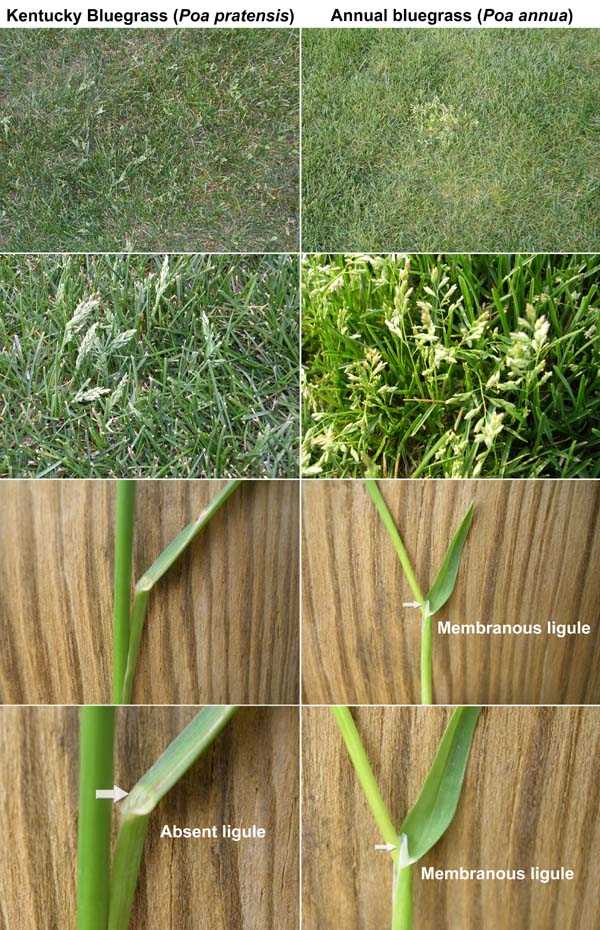
Kentucky bluegrass is a stunning turfgrass known for its rich, lush appearance that transforms any lawn into a vibrant green paradise. Its fine texture and dense growth create a soft, inviting carpet that’s a favorite for home lawns and sports fields alike. If you’re wondering what Kentucky bluegrass looks like, picture an elegant, dark green mat with fine, smooth blades that form a thick, uniform cover.
This grass features narrow, pointed leaves with a slightly shiny surface that often displays a bluish tint, especially in the early morning or under cool weather conditions. Its spreading nature, with rhizomes, helps it form a resilient, tightly knit turf that stays healthy and beautiful throughout the seasons. Whether you’re assessing its visual appeal or considering it for your yard, Kentucky bluegrass offers a distinctive, attractive look that truly stands out.

What does Kentucky bluegrass look like?
Understanding how Kentucky bluegrass appears can help you identify it easily in various settings. This grass is famous for its lush, vibrant green color and fine texture. Its distinctive features make it a popular choice for lawns, sports fields, and golf courses across many regions.
General Appearance of Kentucky Bluegrass
Kentucky bluegrass has a soft, dense feel underfoot, creating a plush surface. The blades are typically narrow, measuring about 1/8 to 1/4 inch wide, giving the grass a fine-leaved look. The overall visual impression is a rich, uniform green that stays appealing throughout the growing season.
Color Characteristics
This grass is well known for its deep blue-green to emerald-green hue. Its color can vary slightly based on soil quality, watering, and fertilization. During spring and early summer, Kentucky bluegrass displays its most vibrant shade, which can fade slightly in hot or drought conditions.
Growth Pattern and Texture
Kentucky bluegrass grows in a dense, spreading mat thanks to its extensive root system. The turf appears smooth and even, with minimal gaps between blades. Its fine texture is especially noticeable in well-maintained lawns, providing an attractive, soft carpet of grass.
Blade Structure and Leaf Arrangement
The grass blades are flat and slender, usually lying close to the ground. They grow in a bunching manner but quickly fill in with spreading rhizomes. The leaf edges are smooth, and the blades often have a slight sheen, enhancing their lush appearance.
Seed Head and Flowering Characteristics
In late spring to early summer, Kentucky bluegrass produces seed heads that rise above the foliage. The flower spike is delicate, with thin, branching stems bearing small, oat-like seed clusters. These seed heads are typically light-colored, contrasting with the darker green leaves below.
Size and Spread of Kentucky Bluegrass
This grass naturally forms a broad, spreading area, with individual plants often reaching several inches across. Its rhizomatous growth habit allows it to fill in bare patches, creating a uniform lawn or turf surface. This spreading characteristic helps maintain a continuous, lush appearance.
Comparison with Other Lawn Grasses
Unlike Bermuda grass or tall fescue, Kentucky bluegrass has a softer, finer texture and a more bluish-green color. It thrives best in cooler seasons, setting it apart from warm-season grasses in appearance and growth pattern. Recognizing these differences can help you choose the right turf for your climate and aesthetic preferences.
Visual Tips for Identification
- Look for a lush, rich green color that remains vibrant through the growing season.
- Note the fine texture of the blades and the dense, carpet-like growth.
- Check for characteristic seed heads in late spring or early summer.
- Observe the spreading habit through rhizomes, which help fill in bare spots.
Environmental Factors Influencing Appearance
The look of Kentucky bluegrass can be influenced by soil type, watering schedule, and overall lawn care. Proper fertilization and mowing height maintain its vibrant color and health. Under stress conditions like drought, the grass may turn bluish-gray or brown, but it typically recovers quickly once conditions improve.
Maintenance and Visual Appeal
Maintaining a healthy Kentucky bluegrass lawn involves regular mowing, watering, and fertilization. When well cared for, its appearance remains pristine, with a uniform, velvety surface that is inviting and pleasurable to walk on. Its ability to recover from damage makes it an enduring choice for beautiful landscapes.
Summary of What Kentucky Bluegrass Looks Like
In summary, Kentucky bluegrass boasts a fine, dense texture with a deep blue-green color. Its growth habit is spreading, thanks to rhizomes, creating a lush, uniform appearance. Recognizable seed heads appear in late spring, and its overall soft feel makes it ideal for aesthetically pleasing lawns and sports fields.
Knowing these visual and physical features helps you identify Kentucky bluegrass quickly and understand its role in creating vibrant, healthy turf areas. Its characteristic appearance, combined with proper care, ensures your lawn looks beautiful and remains resilient year after year.
Kentucky Bluegrass Pros and Cons
Frequently Asked Questions
What are the distinctive features of Kentucky bluegrass’s foliage?
Kentucky bluegrass has fine-textured, soft leaves that form a dense, lush turf. Its blades are narrow, typically smooth, and exhibit a vibrant, deep green color, especially during the growing season. The grass maintains a uniform appearance with a slightly arching growth habit, contributing to its aesthetic appeal in lawns and landscapes.
How can I identify Kentucky bluegrass by its seed head?
In the flowering phase, Kentucky bluegrass produces distinctive seed heads that appear as open, airy panicles. The seed heads are composed of multiple fine stems that branch out with small, spike-like flowers. They usually emerge in late spring to early summer and add a delicate, graceful look to the turf.
What is the typical growth pattern of Kentucky bluegrass throughout the year?
Depending on the climate, Kentucky bluegrass actively grows during cooler months and goes dormant in extreme heat or drought conditions. It creates a dense mat as it spreads via rhizomes, filling in bare spots effectively. Its growth slows in late summer but quickly resumes when temperatures moderate, maintaining a uniform, inviting appearance.
How does the coloration of Kentucky bluegrass vary across seasons?
During spring and fall, Kentucky bluegrass displays a rich, deep green shade. In summer, its color may lighten slightly if it experiences stress from heat or drought. Proper watering and fertilization help maintain its vibrant hue, keeping lawns looking healthy and appealing throughout the year.
What is the texture of Kentucky bluegrass underfoot?
It has a soft, fine texture that feels comfortable when walked on barefoot. The dense growth pattern results in a smooth, cushion-like surface, making it a popular choice for lawns where comfort and appearance matter the most.
Final Thoughts
Kentucky bluegrass features fine-textured, lush green blades that form dense, attractive turf. Its leaves are narrow with a characteristic blue-green hue, especially when freshly mowed. The grass creates a soft, velvety surface perfect for lawns and sports fields.
In early spring, the grass begins to fill in with vibrant growth, maintaining its rich color throughout the growing season. Its spreading rhizomes help it recover quickly from damage, ensuring a consistent appearance.
What does Kentucky bluegrass look like? It offers a vivid, dense appearance with narrow blades and a distinctive blue-green shade, making it a popular choice for beautiful lawns.