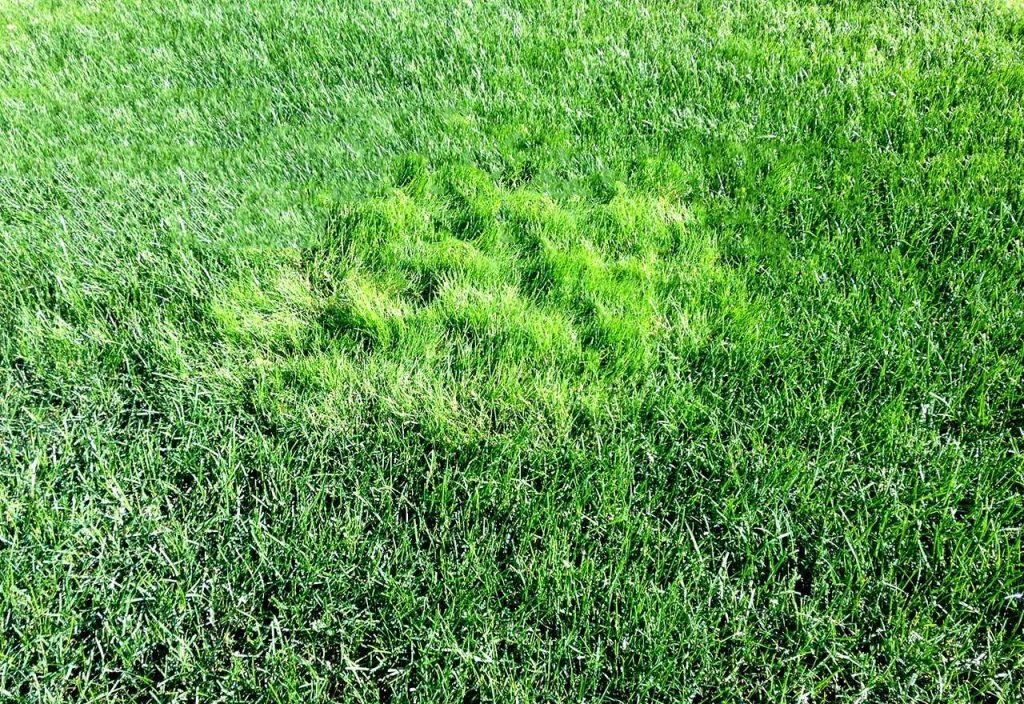
Bentgrass typically appears as fine, lush, dark green patches that create a smooth, dense carpet on your lawn. It has a very fine texture and a soft, velvety feel underfoot, often forming a uniform and elegant look. This grass is known for its high density and fine blades, making it stand out from coarser grasses and giving your lawn a polished appearance.
If you’re wondering what bentgrass looks like, you’ll notice its delicate, needle-like leaves that grow densely together, creating a fine-textured surface. It tends to thrive in cooler, moist environments and is often seen in golf course greens due to its smooth finish. Recognizing its appearance can help you identify whether this turfgrass is part of your lawn or if it’s creeping into the wrong areas.
Bentgrass presents a striking and refined look, characterized by its thin, soft blades that form a lush, green blanket. Its appearance is quite distinct from the broader-leaf grasses, making it relatively easy to identify once you know what to look for. If you have a finely textured, velvety green patch that looks lush and uniform, chances are you’re looking at bentgrass—a true sign of a well-maintained, high-quality lawn or a golf green.

What Does Bentgrass Look Like in a Lawn?
Introduction to Bentgrass Appearance
Bentgrass is a popular choice for lawns, especially in cooler climates, due to its fine texture and dense growth pattern. Its appearance is quite distinct, helping homeowners and landscapers identify it easily. Understanding what bentgrass looks like can help you manage, maintain, or differentiate it from other grass types.
Color and Shade of Bentgrass
Bentgrass typically exhibits a rich, vibrant green color. During the growing season, the shade remains consistent, adding a lush look to the lawn. In winter or cooler weather, some varieties may turn slightly lighter or yellowish but generally stay green.
Blade Structure and Texture
The blades of bentgrass are very fine and thin, often feeling silky to the touch. Unlike coarser grasses, bentgrass blades are slender, giving the lawn a smooth, carpet-like appearance. Each blade is usually less than 1 millimeter in width, contributing to its delicate look.
Growth Pattern
Bentgrass tends to spread via creeping stolons and rhizomes, creating a dense mat of grass. This expansion results in a uniform, smooth surface with minimal gaps or bare patches. The growth is low to the ground, making it ideal for manicured lawns.
Leaf Color and Vitality Indicators
Healthy bentgrass leaves are a consistent emerald green, while yellowing or browning leaves may indicate stress, disease, or poor soil conditions. The blades stand upright, maintaining a vibrant and lively appearance when properly cared for.
Height and Mowing Recommendations
Bentgrass generally grows very low, often reaching about 0.5 to 2 inches in height. This short stature is part of its appeal for golf courses and home lawns that require a neat, tidy look. Regular mowing at a low height helps maintain this appearance without damaging the grass.
Close-up View of Bentgrass
When examined closely, bentgrass reveals a fine, thread-like structure. The dense arrangement of blades creates a soft, almost velvety surface. This fine texture distinguishes it from coarser grasses like fescue or bluegrass, which have wider blades.
Comparison with Other Lawn Grasses
To better visualize what bentgrass looks like, compare it to other common grasses:
| Grass Type | Blade Width | Color | Growth Habit |
|---|---|---|---|
| Bentgrass | Less than 1 millimeter | Vibrant green | Spreading via stolons and rhizomes |
| Kentucky Bluegrass | 2-4 millimeters | Deep green | Clumping with spreading rhizomes |
| Fescue | 3-6 millimeters | Green to bluish-green | Clumping, upright growth |
Variations in Bentgrass Appearance
There are different types of bentgrass, and each may show slight variations in appearance. For example:
Colonial Bentgrass
A common variety with fine, dense blades, well-suited for lawns and golf courses. It maintains a consistent green color and smooth texture.
Sandy Bentgrass
Often found in sandy soils, this variety has a slightly lighter green color and may grow more slowly but retains a fine texture.
Signs of Healthy Bentgrass
Healthy bentgrass has a uniform, fine texture with blades standing upright. The color remains vivid without patches of discoloration or dead spots. The turf feels soft but resilient when walked upon.
Visual Damage and What It Looks Like
Signs of stress or disease in bentgrass include yellow patches, thinning areas, or areas with coarse or uneven blades. These visual cues can help identify when the lawn needs attention.
Summary of Key Features of Bentgrass in a Lawn
- Thin, fine blades less than 1 millimeter wide
- Rich, vibrant green color and lush appearance
- Dense growth pattern covering the soil evenly
- Growth height of about 0.5 to 2 inches
- Spreads via stolons and rhizomes for quick coverage
Additional Tips for Recognizing Bentgrass
Observe the texture by running your hand across the lawn—smooth and velvety indicates bentgrass. Also, look for the characteristic spreading growth habit that forms a uniform carpet. Its fine blades stand out compared to coarser grasses.
Understanding what bentgrass looks like in a lawn helps you identify its presence and assess its health at a glance. From its ultra-fine blades and vibrant green color to its spreading growth pattern, bentgrass offers a distinctive appearance that is both beautiful and functional. Recognizing these features allows for better lawn management, ensuring a lush, healthy, and well-maintained outdoor space.
How to identify Bent Grass #bentgrass #grassyweeds
Frequently Asked Questions
What are the common visual characteristics of bentgrass in a lawn?
Bentgrass typically appears as fine-textured, dense, and lush green patches. Its blades are slender and soft, often forming a smooth, carpet-like surface. In many cases, the grass blades have a slightly glossy sheen, especially when well-maintained. The overall appearance exudes a clean and uniform look, which contributes to its popularity on golf courses and sports fields.
How can I identify bentgrass among other lawn grasses?
To distinguish bentgrass from other grasses, look for its very fine blades that are usually narrower than typical grass species. Bentgrass has a low-growing habit, with a tendency to spread horizontally through rhizomes and stolons, creating a dense mat. When examined closely, the blades have a soft texture and a delicate appearance, which sets it apart from coarser grasses such as Bermuda or Fescue.
What are the seasonal changes in the appearance of bentgrass in a lawn?
During the warmer months, bentgrass maintains its vibrant green hue and dense growth. As temperatures drop in fall and winter, the grass may turn a duller shade of green or even brown in some cases, especially if it’s exposed to cold stress. Despite seasonal changes, bentgrass often recovers quickly due to its vigorous growth habit, returning to its lush green state in the spring.
What signs indicate a lawn is dominated by bentgrass rather than other turfgrass types?
Indicators include the fine texture of the grass blades, a low-growing, spreading growth pattern, and a dense, uniform appearance. Bentgrass tends to fill in gaps more readily than coarser varieties, and its soft feel underfoot contrasts with rougher grasses. Additionally, bentgrass’s characteristic narrow blades and its ability to withstand close mowing make it stand out in a mixed turf setting.
Final Thoughts
Bentgrass in a lawn typically appears as fine-textured, lush green patches with a smooth surface. It has thin, dense blades that create a soft, velvety feel underfoot. The grass tends to spread quickly, forming a uniform, dense carpet.
In summary, what does bentgrass look like in a lawn? It features fine, vibrant blades that create a soft, tidy appearance. Its dense growth pattern and lush green hue make it stand out as an elegant and healthy turf option.