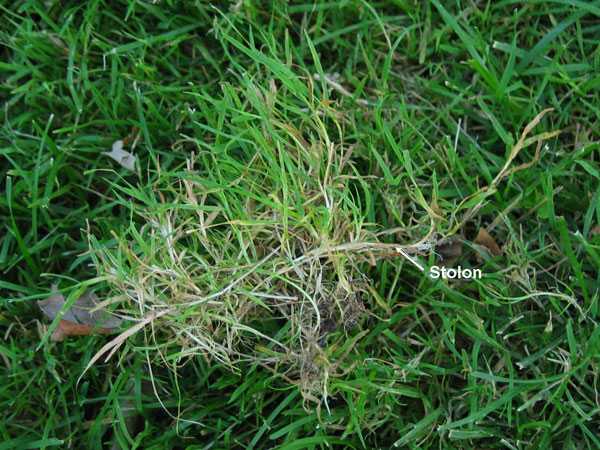
Creeping bentgrass is a popular choice for golf courses and lawns due to its lush appearance and ability to thrive in various climates. To easily identify this grass type, look for its fine texture, vibrant green color, and a tendency to spread horizontally, forming dense mats. The leaves are narrow and pointed, usually measuring around 1 to 2 inches in length. Additionally, creeping bentgrass has a unique growth pattern—while other grasses may grow upright, this one tends to creep along the ground, often rooting where it touches the soil. By observing these characteristics, you can confidently determine if you’re dealing with creeping bentgrass in your lawn or landscape.

How to Identify Creeping Bentgrass
Creeping bentgrass is a popular choice for lawns, golf courses, and recreational fields. Understanding how to identify it is crucial for maintenance and management. This article will guide you through the characteristics and features of creeping bentgrass, helping you distinguish it from other grass types.
What is Creeping Bentgrass?
Creeping bentgrass, scientifically known as *Agrostis stolonifera*, is a perennial grass that spreads through rhizomes and stolons. It thrives in cool climates and is known for its fine texture and dense growth.
Physical Characteristics
To identify creeping bentgrass, you should examine its physical traits. Here are some key features to look for:
- Leaf Texture: The leaves are slender, measuring about 1/8 to 1/4 inch wide. They feel smooth and have a fine, soft texture.
- Leaf Color: The color varies from bright green to a darker hue, often depending on the season and environmental conditions.
- Growth Habit: This grass has a low growth habit, generally growing up to 4 inches tall if left unmowed.
- Stolons: Creeping bentgrass spreads through slender stolons that run along the soil surface, forming a thick mat.
These characteristics make it easy to spot creeping bentgrass in different settings.
Identifying Leaves
When observing the leaves of creeping bentgrass, you should note the following:
- Shape: The leaves are linear and have a pointed tip, with a slight curvature.
- Base: The leaf blades are smooth at the base, often appearing folded in the morning dew.
- Texture: The leaves can feel almost silky to the touch, in contrast to other grass types that may feel coarse.
Understanding these aspects enhances your ability to recognize creeping bentgrass effectively.
Identifying Flowers and Seedheads
Creeping bentgrass produces unique seed heads that can be an important identifying feature.
- Seedhead Appearance: The seedheads are slender and spike-like, typically appearing in late spring and early summer.
- Height: They rise above the grass, reaching up to 6-10 inches in height, contrasting with the shorter leaf blades.
- Color: The seed heads can appear light green to purplish, depending on maturity and environmental conditions.
These flowers contribute to the overall identification process.
Growth Conditions
Knowing where creeping bentgrass thrives helps pinpoint its presence. Here are some growth conditions where it flourishes:
- Climate: Prefers cool-season environments, growing best in temperatures between 60°F and 75°F.
- Soil Type: Grows well in well-drained and moist soils, often thriving in acidic to neutral pH settings.
- Light Requirements: Prefers full sun but can tolerate partial shade, although too much shade can hinder its growth.
Familiarizing yourself with these conditions makes it easier to find creeping bentgrass in your area.
Distinguishing from Similar Grasses
Several grasses may resemble creeping bentgrass. Here’s how to tell them apart:
Creeping Red Fescue
Creeping red fescue has a coarser texture and grows taller than creeping bentgrass. Its leaves are also broader, making it easy to identify once you know what to look for.
Bermudagrass
Bermudagrass has a much thicker blade and does not produce stolons like creeping bentgrass. It’s typically a warm-season grass, thriving in hotter climates.
Perennial Ryegrass
Perennial ryegrass is faster-growing and has wider blades compared to creeping bentgrass. The seedheads also differ in appearance, offering another identification clue.
Common Uses
Creeping bentgrass is widely used for various purposes. Here are some common ones:
- Lawn Turf: Its fine texture and dense growth make it a preferred option for residential lawns.
- Golf Courses: Frequently used on putting greens due to its ability to withstand close mowing and maintain a smooth surface.
- Sports Fields: Often selected for soccer and baseball fields, as it provides a sturdy playing surface.
These applications showcase the versatility of creeping bentgrass.
Management and Care
Identifying creeping bentgrass is just the first step; proper management is essential for maintaining its health. Here are some care tips:
- Mowing: Regular mowing helps maintain an even height and encourages thick growth. Aim for a height of 1-2 inches.
- Watering: Keep the grass well-watered, especially during dry spells. Approximately 1 inch of water per week is ideal.
- Fertilization: Applying nitrogen-based fertilizers in early spring and fall promotes healthy growth.
Implementing these care practices supports the longevity of creeping bentgrass.
Common Pests and Diseases
Creeping bentgrass is susceptible to several pests and diseases. Here’s what to watch for:
- Dollar Spot: A common fungal disease that appears as silver dollar-sized patches of dead grass.
- Grubs: Larvae of beetles can damage the grass roots, leading to thinning patches.
- Leaf Spot: A fungal issue that creates dark lesions on blades, impacting overall health.
Being aware of these threats helps in maintaining a healthy lawn.
Identifying creeping bentgrass involves careful observation of its physical characteristics, growth conditions, and distinguishing traits from similar grasses. By understanding its unique features, uses, and management techniques, you can ensure a thriving environment for this beautiful grass type. With the right knowledge and care, your creeping bentgrass can flourish, enhancing the beauty of any landscape.
How to Identify Creeping Bentgrass Weed
Frequently Asked Questions
What characteristics distinguish creeping bentgrass from other grass types?
Creeping bentgrass has a fine texture and a vibrant green color that sets it apart from other grass types. Its leaves are narrow, typically measuring between 1/8 to 1/4 inch wide. Additionally, it has a creeping growth habit, producing stolons that allow it to spread horizontally and fill in bare patches effectively. This grass type thrives in cool-season areas, making it ideal for golf courses and lawns in temperate climates.
How does the growth habit of creeping bentgrass affect its maintenance requirements?
The creeping growth habit of bentgrass requires regular mowing to maintain its desired height, typically around 1 to 2 inches. Frequent mowing helps promote dense growth and minimizes thatch buildup. It also needs consistent irrigation to keep it healthy, particularly during dry periods. Fertilization should focus on nitrogen to support its growth and color, ensuring it remains lush and vibrant.
What environmental conditions are optimal for creeping bentgrass?
Creeping bentgrass thrives in cool, moist environments. It prefers full sun to partial shade and grows best in well-drained soils with a pH of 6.0 to 7.0. This grass type can tolerate some foot traffic, making it suitable for high-use areas like golf greens. However, excessive heat and drought can stress it, requiring careful management in warmer climates.
What are the signs of healthy creeping bentgrass?
Healthy creeping bentgrass exhibits a rich green color and a dense, carpet-like appearance. It should have a uniform texture without any bare patches or discoloration. The grass should respond well to irrigation and show vigorous growth during its active growing season. Additionally, it maintains its color well even under cooler temperatures, indicating good health.
How does creeping bentgrass perform in shaded areas?
Creeping bentgrass can tolerate some shade, but it performs best in full sun. In shaded areas, its growth may slow down, leading to a thinner appearance and potential vulnerability to disease. Proper maintenance, such as reducing mowing height and increasing watering, can help improve its performance in these conditions. However, for heavily shaded regions, consider mixing with shade-tolerant grass varieties for better results.
Final Thoughts
To identify creeping bentgrass, observe its fine texture and vibrant green color. This grass features a dense growth habit and tends to spread through stolons, making it distinctive among turf types.
Check for the characteristic bumpy appearance of its leaf blades. When you bend the grass slightly, it should retain a slight curve.
Lastly, consider its growth habits in cooler climates, as creeping bentgrass thrives under these conditions. Understanding how to identify creeping bentgrass will help you manage your lawn effectively.