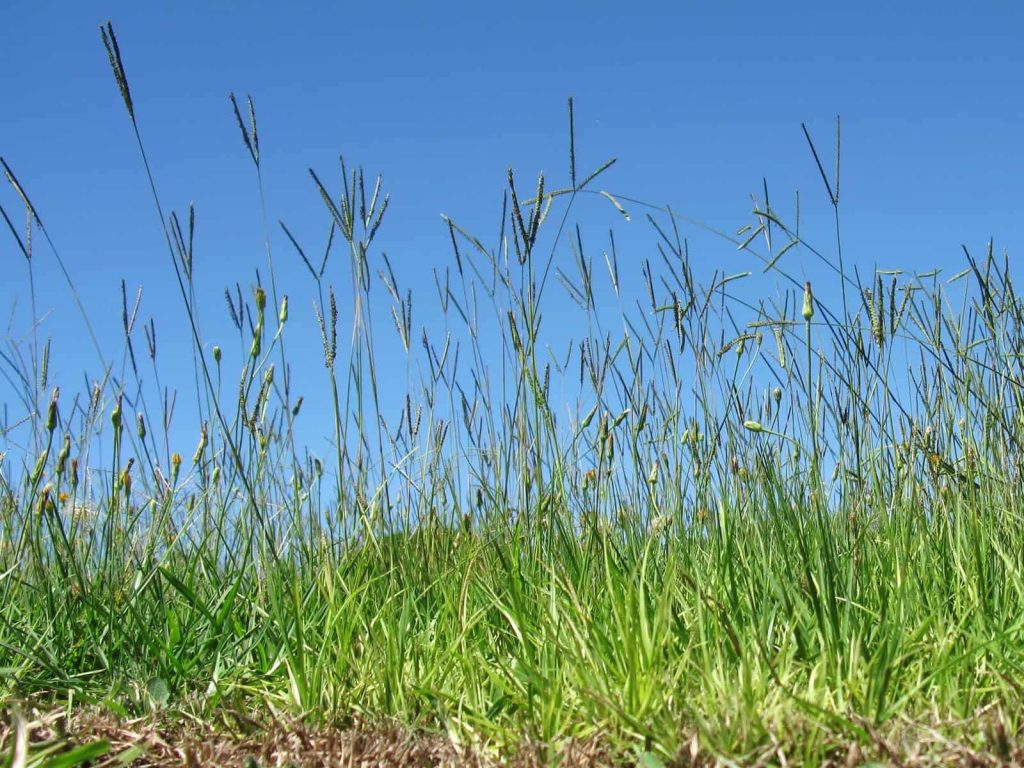
Bahia grass is a vibrant, warm-season turf that instantly catches the eye with its lush, fine-textured blades and rich green hue. Its distinctive appearance makes it a popular choice for lawns, pastures, and sports fields in warm climates. If you’re wondering what Bahia grass looks like, picture a dense, soft carpet of emerald green with thin, slightly coarse blades that sway gently in the breeze. It forms a thick mat that’s both attractive and functional, providing a durable ground cover that’s ideal for hot weather conditions.
Bahia grass looks like a fine-textured, bright green turf with narrow, wiry blades. It tends to grow in dense clumps, creating a carpet-like appearance that is both inviting and resilient. Its appearance is characteristic of a hardy, low-maintenance grass suitable for sunny, warm environments.
If you want to identify Bahia grass, look for its fine-textured, thin blades that form a dense, bright green turf. Its growth habit is low and spreading, with a slightly coarse but soft feel. This grass thrives in hot climates and is well-known for its drought tolerance and durability.
Knowing what Bahia grass looks like helps you distinguish it from other grasses, ensuring you choose the right type for your lawn or pasture. Its appealing green color and dense growth make it a favorite for those seeking a resilient, attractive ground cover in warm regions, offering both aesthetic appeal and practicality.

What Does Bahia Grass Look Like?
Introduction to Bahia Grass
Bahia grass is a warm-season perennial grass that is popular in the southern United States. It is known for its drought tolerance and ability to thrive in poor soil conditions. Recognizing Bahia grass is easy once you know its distinctive features.
General Appearance and Growth Habit
Bahia grass forms dense, low-growing mats that spread horizontally through stolons and rhizomes. It typically reaches heights of about 8 to 24 inches. The grass has a sprawling growth habit that makes it ideal for ground cover or pasture use.
Color and Texture of Bahia Grass
The blades of Bahia grass are generally a vivid green during the active growing season. The texture is coarse compared to other grasses, with blades measuring around 1/4 to 1/2 inch wide. During cooler months, the color may fade to a bluish-green or brownish hue, especially in drought conditions.
Leaf Characteristics
Bahia grass has flat, long, and narrow leaves that taper to a point. The leaf blades are rough to the touch and have prominent midribs. The leaf margins are smooth, with no serrations or teeth, making them easy to identify.
Seed Head and Flowering Details
In late summer and fall, Bahia grass produces seed heads that resemble open, airy panicles. These seed heads are usually about 2 to 8 inches long and have many small branches. The flowers are tiny and light-colored, often appearing pale tan or light brown.
Stolon and Rhizome Structure
One of the most distinctive features of Bahia grass is its stolons and rhizomes. These horizontal stems run just below or along the surface, spreading the grass quickly across the ground. This growth method creates a dense, carpet-like appearance.
Color Variations and Seasonal Changes
While Bahia grass is bright green during its peak growing season, it tends to turn brown or straw-colored during periods of drought or cold weather. This seasonal change is normal and does not harm the plant, as it goes dormant.
Comparing Bahia Grass with Similar Species
It’s helpful to differentiate Bahia grass from similar grasses like Buffalo grass or Bermuda grass. Compared to Bermuda, Bahia has a coarser texture and broader leaves. Unlike Buffalo grass, Bahia tends to have a more sprawling and denser growth pattern.
Visual Aids and Photos
Including clear photos illustrates Bahia grass’s characteristics. Look for images showing the seed heads, leaf blades, and growth pattern. These visuals can aid in quick identification in the field.
Summary of Key Identifying Features
- Bright green, coarse-textured blades
- Length of leaves around 6 to 12 inches
- Sprawling growth with stolons and rhizomes
- Open seed heads with panicle structures
- Presence of a dense, ground-hugging mat
Additional Tips for Recognizing Bahia Grass
Look for Bahia grass in areas with full sunlight, especially in sandy or poor soils. Its growth pattern and seed head appearance make it distinguishable from other grasses. Regular observation during different seasons enhances accurate identification.
Uses and Suitability Based on Appearance
Because of its look and growth traits, Bahia grass is ideal for pastures, erosion control, and lawns in warm climates. Its coarse texture and drought tolerance make it a practical choice for large outdoor spaces.
Understanding what Bahia grass looks like helps in managing lawns, pastures, and landscapes effectively. Recognizing its features ensures proper care and appropriate use in various environments. Keep observing its color, seed heads, and growth habit to identify Bahia grass with confidence.
How To Care For A Bahia Grass Lawn Part 1
Frequently Asked Questions
What are the key visual features of Bahia grass?
Bahia grass typically has fine-textured blades that are bright green during the growing season. The blades are narrow and grow in dense, tufted clumps. It produces soft, feathery seed heads that can be reddish-brown as they mature. The grass tends to spread laterally through stolons, creating a dense, uniform turf.
How can I identify Bahia grass in a mixed lawn?
In a mixed lawn, Bahia grass stands out with its fine blades and dense growth habit. It usually has a slightly lighter green shade compared to other grasses. Its seed heads resemble feathery plumes, and the stolons give it a sprawling appearance. The grass’s soft texture and the way it forms continuous patches help in distinguishing it from other species.
What does Bahia grass look like at different growth stages?
During its active growing season, Bahia grass appears lush and vibrant with fine, green blades. As it matures, its seed heads develop, turning reddish-brown and adding a feathery look to the grass. In drier periods, the color may dull slightly but the dense growth habit remains, maintaining its characteristic appearance. In dormancy, the grass turns brown but can quickly green up with proper watering.
Final Thoughts
Bahia grass has fine, soft, bluish-green blades that create a dense, lush turf. It typically grows in broad clumps, forming a thick ground cover. The grass produces delicate seed heads that rise above the foliage, adding to its characteristic appearance.
Knowing what does bahia grass look like helps in identifying and maintaining this resilient, warm-season grass. Its vibrant color and dense growth make it a popular choice for lawns and pastures. This grass’s distinctive features ensure it stands out in various landscapes.