Plants need five essential elements to survive and grow: sunlight, water, air, nutrients, and proper soil. This guide breaks down each requirement with practical tips so you can help your lawn and garden thrive year-round.
Key Takeaways
- Sunlight is essential: Most plants need 6–8 hours of direct sunlight daily for photosynthesis and strong growth.
- Water deeply but not too often: Deep watering encourages deep roots; overwatering can drown plants and cause disease.
- Healthy soil matters: Rich, well-draining soil provides structure, nutrients, and oxygen to plant roots.
- Nutrients fuel growth: Nitrogen, phosphorus, and potassium—plus micronutrients—keep plants green, strong, and blooming.
- Air circulation prevents problems: Good airflow reduces fungal diseases and helps roots breathe.
- Match plants to your climate: Choose grass and plants suited to your region’s temperature, rainfall, and soil type.
- Regular maintenance pays off: Mowing, aerating, and fertilizing at the right times keep your lawn lush and weed-free.
What Does a Plant Need to Survive and Grow?
Whether you’re tending a backyard lawn, a flower bed, or a vegetable patch, understanding what a plant needs to survive and grow is the foundation of successful gardening. Plants aren’t just passive decorations—they’re living organisms that require specific conditions to thrive. Without the right balance of light, water, air, nutrients, and soil, even the hardiest grass or shrub will struggle.
In this guide, you’ll learn the five core essentials every plant needs, how to provide them effectively, and how to spot—and fix—common problems. We’ll focus on practical, actionable advice so you can create a healthy, green space that looks great and stays resilient through every season.
1. Sunlight: The Power Source for Plants
Visual guide about What Does a Plant Need to Survive and Grow
Image source: image.slidesharecdn.com
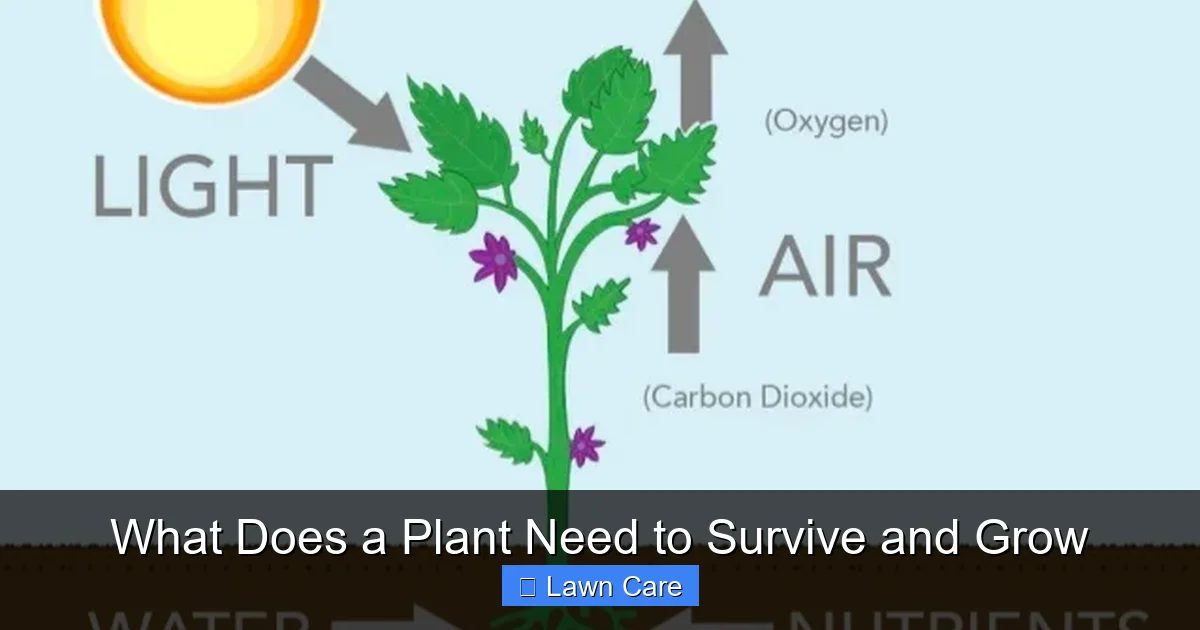
Sunlight is the engine behind photosynthesis—the process plants use to convert light into energy. Without enough light, plants can’t produce the food they need to grow.
How Much Sunlight Do Plants Need?
Most lawn grasses and garden plants need at least 6 to 8 hours of direct sunlight per day. Some shade-tolerant varieties, like certain ferns or hostas, can survive with less, but even they need some light.
If your lawn is under trees or near buildings, consider pruning lower branches to let in more light. For thin or patchy grass in shady areas, you might need to overseed with a shade-friendly grass type, such as fine fescue.
Signs of Too Little or Too Much Sun
- Too little sun: Pale leaves, slow growth, long stems (stretching toward light), and thin turf.
- Too much sun: Scorched or yellowing leaves, dry soil, and wilting—even with regular watering.
Tip: Observe your yard throughout the day. Note which areas get full sun, partial shade, or full shade. This helps you choose the right plants for each spot.
2. Water: The Lifeline of Plant Health

Visual guide about What Does a Plant Need to Survive and Grow
Image source: vedantu.com
Water transports nutrients, maintains cell structure, and keeps plants hydrated. But too much or too little can be just as harmful.
How Often Should You Water?
For established lawns, aim for 1 to 1.5 inches of water per week, including rainfall. Newly seeded lawns need more frequent, lighter watering—about 2–3 times a day—to keep the soil moist until germination.
Use a rain gauge or empty tuna can to measure how much water your sprinkler delivers. This helps avoid under- or overwatering.
Best Time to Water
Water early in the morning (between 6–10 a.m.) to reduce evaporation and prevent fungal diseases. Avoid evening watering, as wet grass overnight invites mold and pests.
Deep Watering vs. Frequent Sprinkling
Deep watering encourages roots to grow downward, making plants more drought-resistant. Instead of watering lightly every day, water deeply 2–3 times a week. This is especially important during dry spells.
For tips on managing water retention, check out our article on how mowing patterns affect water retention.
3. Air: Often Overlooked but Essential

Visual guide about What Does a Plant Need to Survive and Grow
Image source: i.ytimg.com
Plants need air—both above and below ground. Above the soil, leaves use carbon dioxide from the air for photosynthesis. Below ground, roots need oxygen to breathe and absorb nutrients.
Improving Airflow Above Ground
Good air circulation reduces humidity around leaves, which helps prevent fungal diseases like powdery mildew or brown patch. Avoid overcrowding plants, and trim back dense shrubs near your lawn.
Aerating for Root Health
Compacted soil blocks air from reaching roots. Core aeration—removing small plugs of soil—relieves compaction and improves oxygen flow. Do this once a year, preferably in spring or fall, depending on your grass type.
After aerating, consider topdressing with compost to boost soil health. Learn more in our guide on what topdressing is and how it helps grass.
4. Nutrients: The Building Blocks of Growth
Plants need a mix of macronutrients and micronutrients to stay healthy. The big three are nitrogen (N), phosphorus (P), and potassium (K)—often listed on fertilizer bags as an N-P-K ratio.
Nitrogen (N)
Promotes leafy, green growth. Lawns with low nitrogen look pale and thin.
Phosphorus (P)
Supports root development and flowering. Important when establishing new grass or planting seeds.
Potassium (K)
Boosts overall hardiness, helping plants resist drought, disease, and cold.
When and How to Fertilize
Apply fertilizer based on your grass type and season. Cool-season grasses (like Kentucky bluegrass) benefit from fall feeding, while warm-season types (like Bermuda) thrive with summer applications.
Avoid over-fertilizing—it can burn roots and pollute waterways. Always follow package instructions and water after applying.
For a lush, weed-free lawn, combine proper fertilization with consistent mowing and watering. See our step-by-step guide on how to grow a lush and green lawn.
5. Soil: The Foundation of Plant Life
Soil isn’t just dirt—it’s a complex ecosystem of minerals, organic matter, microbes, and water. Healthy soil supports strong roots and nutrient uptake.
What Makes Good Soil?
Ideal soil is loose, crumbly, and rich in organic matter. It should drain well but still retain some moisture. A simple test: dig a hole 6 inches deep and fill it with water. If it drains in 1–2 hours, your drainage is good.
Testing Your Soil
A soil test reveals pH level and nutrient content. Most grasses prefer a pH between 6.0 and 7.0. If your soil is too acidic (low pH), add lime. If it’s too alkaline (high pH), sulfur can help.
Many local extension offices offer affordable soil testing kits.
Improving Poor Soil
Add compost or well-rotted manure to boost organic content. For heavy clay soil, mix in sand and compost to improve drainage. For sandy soil, compost helps retain moisture and nutrients.
Troubleshooting Common Plant Problems
Even with the best care, issues can arise. Here’s how to identify and fix common problems:
- Yellowing leaves: Could be overwatering, poor drainage, or nitrogen deficiency. Check soil moisture and consider a soil test.
- Brown patches: Often caused by fungal disease due to overwatering or poor airflow. Improve drainage and avoid evening watering.
- Thin or patchy grass: May result from compacted soil, lack of sun, or improper mowing. Aerate, overseed, and adjust mowing height.
- Weeds taking over: Healthy, dense grass crowds out weeds. Focus on proper fertilization, mowing, and watering instead of relying solely on herbicides.
Conclusion
Helping a plant survive and grow isn’t complicated—it’s about giving it the basics: sunlight, water, air, nutrients, and healthy soil. When you understand these five essentials, you’re equipped to grow a vibrant lawn and garden that thrives in any season.
Start by assessing your yard’s conditions. Is your soil compacted? Are some areas too shady? Do you water deeply or just sprinkle? Small adjustments can make a big difference.
Remember, consistency matters more than perfection. Regular mowing, seasonal fertilizing, and mindful watering will keep your plants strong and your outdoor space beautiful year after year.