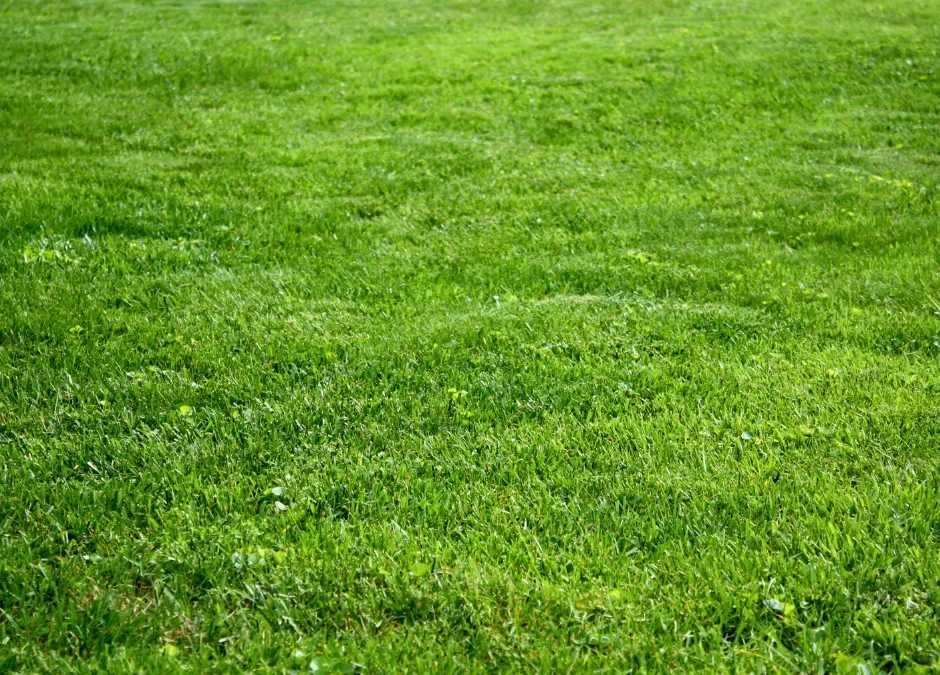
**Quick Answer:** Kentucky bluegrass is a popular choice for lush, green lawns thanks to its beautiful appearance and durability, but it requires regular maintenance and can be sensitive to drought. It offers excellent aesthetic appeal and resilience in cooler climates, yet it may be challenging for beginners due to its specific growing needs.
Kentucky bluegrass is a favorite among homeowners and landscapers for creating a vibrant, velvety lawn. Its striking color and dense growth habit make it visually appealing, especially in cooler regions. However, this grass type isn’t without its downsides; it tends to need frequent watering, fertilizing, and overseeding to stay healthy. If you’re considering Kentucky bluegrass, it’s important to weigh its attractive qualities against the maintenance effort involved. Whether it’s the perfect fit for your yard depends on your climate, maintenance willingness, and overall lawn goals. Let’s explore the key advantages and disadvantages to help you decide if Kentucky bluegrass is the right turf for you.

What Are the Pros and Cons of Kentucky Bluegrass?
Introduction to Kentucky Bluegrass
Kentucky bluegrass is a popular turfgrass choice for many homeowners and landscapers. It is known for its rich, deep green color and fine texture, making it attractive for lawns and sports fields. Its adaptability to various climates and soil types makes it a versatile option for many regions.
Advantages of Kentucky Bluegrass
1. Beautiful Appearance
Kentucky bluegrass offers a lush, dense, and vibrant green lawn. Its fine texture creates a soft and inviting surface, perfect for outdoor activities and aesthetic appeal. Homeowners often choose it for its visual charm.
2. Excellent Drought Tolerance
While it prefers regular watering, Kentucky bluegrass can handle periods of drought better than some other grass types. It has deep roots that help it access moisture from deep underground, making it suitable for areas with moderate dry spells.
3. Good Recovery and Repair
One of the most valued features of Kentucky bluegrass is its ability to repair itself. When part of the lawn gets damaged or worn out, it quickly fills in bare spots through runners called rhizomes. This makes maintenance easier and keeps lawns looking neat.
4. Adaptability to Shade and Sunlight
Kentucky bluegrass can grow well in both sunny and shaded areas, though it prefers full sun for optimal growth. Its adaptability allows it to thrive in various parts of your yard, reducing the need for different grass types.
5. Suitability for Sports Fields
Because of its durability and soft texture, Kentucky bluegrass is a top choice for athletic fields and golf courses. It provides a safe, comfortable surface that can withstand heavy foot traffic and equipment.
Challenges and Disadvantages of Kentucky Bluegrass
1. High Water Requirements
Despite its drought tolerance, Kentucky bluegrass needs regular watering to stay healthy and maintain its vibrant green color. It can become dormant or brown during extended dry periods without proper irrigation.
2. Cold Climate Preference
This grass type thrives in cooler climates. In warmer regions, it may struggle during the hot summer months, leading to brown patches or slowed growth. Proper care or alternative grasses might be better in such areas.
3. Sensitivity to Soil Conditions
Kentucky bluegrass prefers well-drained, fertile soils. Poor soil quality or drainage issues can hinder its growth and health. Regular soil amendments and proper grading are necessary for optimal results.
4. Growth Rate and Maintenance
This grass has a moderate growth rate, which means it needs regular mowing to keep it at an attractive height. The fine texture also requires consistent fertilization to promote lush growth.
5. Susceptibility to Pests and Diseases
Kentucky bluegrass can be vulnerable to pests like grubs and diseases such as dollar spot or brown patch. Preventive treatments and proper lawn care are crucial to avoid outbreaks.
Living Conditions and Care Tips for Kentucky Bluegrass
Soil Preparation
– Ensure soil is well-drained and rich in nutrients.
– Conduct soil tests to determine pH and nutrient levels.
– Amend soil with compost or organic matter if needed.
Watering Guidelines
– Water deeply and infrequently to encourage deep roots.
– Maintain consistent moisture, especially during hot or dry periods.
– Avoid overwatering to prevent fungal issues.
Fertilization
– Use a balanced fertilizer suitable for bluegrass.
– Apply fertilizer in early spring and late fall for best results.
– Follow recommended application rates to prevent overfeeding.
Mowing Practices
– Keep grass at a height of 2.5 to 3 inches.
– Mow regularly to prevent thatch buildup.
– Use sharp blades for clean cuts to promote healthy growth.
Pest and Disease Management
– Keep grass healthy through proper watering and fertilization.
– Monitor regularly for signs of pests or disease.
– Use appropriate treatments promptly to prevent spread.
Comparing Kentucky Bluegrass to Other Lawn Options
| Feature | Kentucky Bluegrass | Perennial Ryegrass | Tall Fescue |
|---|---|---|---|
| Appearance | Fine texture, vibrant green | Coarser, bright green | Coarse, darker green |
| Climate Suitability | Cool seasons | Cool and transitional zones | Warm and cool zones |
| Water Needs | Moderate to high | Lower | Moderate |
| Maintenance | Moderate | High | Low to moderate |
| Durability | High in cool climates | Moderate | Very durable in various climates |
Final Thoughts on Kentucky Bluegrass
Kentucky bluegrass offers many benefits, especially its lush appearance and good recovery abilities. However, it does require proper care, including adequate watering, fertilization, and maintenance. Understanding its strengths and weaknesses helps in making the right choice for your lawn.
Kentucky bluegrass is best suited for regions with cooler weather and moderate rainfall. For warmer or drier areas, alternative grasses might perform better. Overall, this turfgrass remains a popular option for creating beautiful, high-quality lawns and sports fields when cared for properly.
Kentucky Bluegrass Pros and Cons
Frequently Asked Questions
What are the aesthetic qualities of Kentucky bluegrass?
Kentucky bluegrass offers a dense, lush, and vibrant green appearance that enhances the visual appeal of lawns and recreational areas. Its fine texture creates a smooth and uniform surface, making it attractive for a variety of landscapes. The grass maintains its color well throughout the growing season, providing a consistently attractive backdrop for outdoor spaces.
How does Kentucky bluegrass perform in different climate conditions?
Kentucky bluegrass thrives best in cooler, temperate climates and performs well in areas with moderate rainfall and temperatures. It can tolerate some drought conditions once established but prefers consistent moisture. In regions with extreme heat or prolonged dry spells, it may struggle and require additional watering and care to maintain its health.
What are the maintenance requirements for Kentucky bluegrass?
Kentucky bluegrass requires regular mowing, typically at a height of 2.5 to 3.5 inches, to keep it healthy and appealing. It benefits from seasonal fertilization and periodic aeration to improve soil health and reduce compaction. Proper watering is essential, especially during dry periods, and overseeding helps maintain density and manage wear and tear on the lawn.
Are there any environmental concerns associated with Kentucky bluegrass?
Kentucky bluegrass generally has a moderate environmental impact, but it does require significant water and fertilizer input, which can contribute to resource depletion and runoff if not managed responsibly. It is important to use sustainable practices such as appropriate watering schedules and organic fertilizers to reduce negative effects on the environment.
What are the common challenges faced when growing Kentucky bluegrass?
Kentucky bluegrass can be susceptible to pests, diseases, and weed invasion if not properly maintained. It may also struggle to recover from heavy foot traffic or poor soil conditions. Managing these challenges involves regular lawn care practices, such as aeration, overseeding, and pest control, to keep the grass healthy and resilient.
Final Thoughts
Kentucky bluegrass offers a lush, attractive appearance and excellent wear tolerance, making it ideal for lawns. It thrives in cool climates and recovers quickly from damage. However, it requires regular watering and fertilization to stay healthy.
On the downside, Kentucky bluegrass tends to have a slower growth rate and can be prone to pests and diseases. It also needs full sun for optimal growth, limiting its versatility in shaded areas.
In conclusion, what are the pros and cons of Kentucky bluegrass? This grass provides a beautiful, durable lawn but demands consistent care and sunlight. It suits homeowners willing to invest time in maintenance for a stunning outdoor space.