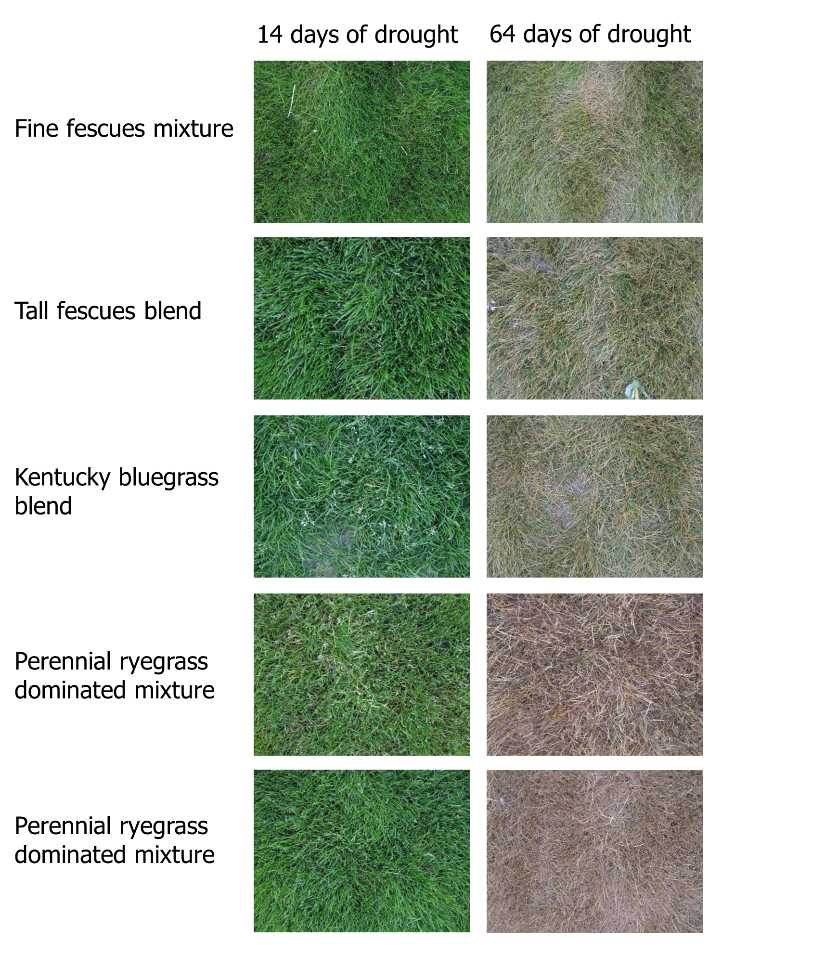
Kentucky bluegrass is moderately drought tolerant, but it’s not the best choice if you live in an area with very dry summers. While it can handle some dry spells once established, prolonged drought conditions can turn its lush green color to brown. Proper watering and maintenance are essential to keep it healthy during dry periods. Overall, Kentucky bluegrass offers decent drought resistance but requires some effort to survive extended dry weather.
Kentucky bluegrass is somewhat drought tolerant, especially once it’s established, but it’s not perfectly suited for extremely dry climates. It can handle brief dry spells with proper care, but prolonged droughts will challenge its resilience. To keep it thriving in drought-prone areas, regular watering and good lawn management are crucial.
If you’re considering Kentucky bluegrass for your lawn and are worried about drought, you’ll be glad to know it can handle some dry conditions but isn’t entirely drought-proof. Knowing how to care for it during dry months can help maintain its beauty. This grass type is popular for its lush, dense appearance and cool-season growth, but understanding its drought tolerance helps homeowners plan better for the summer months. Keep reading to find out how to maximize its drought resistance and keep your lawn looking great despite the heat.

Is Kentucky Bluegrass Drought Tolerant?
Many homeowners and landscapers want a lush green lawn that lasts through dry periods. Kentucky bluegrass is a popular choice for its beauty, but questions often arise about its ability to withstand drought conditions. Understanding whether Kentucky bluegrass is drought tolerant can help you decide if it’s the right grass for your yard.
What Is Kentucky Bluegrass?
Kentucky bluegrass, known scientifically as Poa pratensis, is a cool-season grass native to North America. It is highly valued for its fine texture and rich green color, making it ideal for lawns, sports fields, and golf courses. It thrives in regions with moderate temperatures and moist soils.
Natural Drought Tolerance of Kentucky Bluegrass
While Kentucky bluegrass is admired for its appearance, it does not naturally tolerate extended dry conditions. It prefers consistent moisture to stay healthy and vibrant. During droughts, it can quickly turn brown and go dormant to conserve water.
How Does Kentucky Bluegrass Respond to Drought?
During periods of drought, Kentucky bluegrass enters a state of dormancy. It stops growing but does not die immediately. Once rain returns or watering resumes, it often recovers quickly, regrowing from its rhizomes. This dormancy helps it survive short-term water shortages.
Limitations of Kentucky Bluegrass in Drought Conditions
Despite its ability to go dormant, Kentucky bluegrass is not well-suited for long-term drought. Prolonged dry weather can cause significant stress, leading to thinning, patchiness, and vulnerability to pests and diseases. It is more suitable for regions with regular rainfall or consistent irrigation.
Comparing Drought Tolerance with Other Grass Types
| Grass Type | Drought Tolerance | Maintenance Needs |
|---|---|---|
| Kentucky Bluegrass | Moderate; goes dormant during drought | High; regular watering and fertilizing needed |
| Bermuda Grass | High; thrives in dry conditions | Moderate; needs periodic mowing and watering |
| Zoysia Grass | High; tolerates drought and heat well | Low; requires less frequent watering once established |
Factors That Influence Drought Tolerance in Kentucky Bluegrass
Soil Type
Well-draining soils help Kentucky bluegrass withstand drought better by reducing water runoff and encouraging deep root growth. Heavy clay soils retain moisture longer but may hinder root extension.
Sun Exposure
Full sun promotes vigorous growth, but it can also increase water loss through evaporation. Partial shade can help reduce drought stress, making the grass more resilient in hot, dry periods.
Watering Practices
Deep, infrequent watering encourages roots to grow deeper, improving drought tolerance. Shallow, frequent watering keeps roots near the surface, making the grass more vulnerable during dry spells.
How to Improve Drought Tolerance of Kentucky Bluegrass
Proper Lawn Maintenance
- Apply water deeply and infrequently to promote deep root growth.
- Fertilize moderately to support healthy, resilient grass.
- Mow at higher heights to shade the soil and retain moisture.
Using Soil Amendments
Add compost or organic matter to improve soil drainage and water retention. Aerating your lawn can also help reduce compaction and encourage better water infiltration.
Selective Grass Blends
Mixing Kentucky bluegrass with drought-tolerant grasses like fescues or Zoysia can increase overall resilience. Such blends balance appearance with drought resistance.
Choosing the Right Grass for Drought-Prone Areas
If you live in an area prone to drought, consider using grasses with higher drought tolerance. Bermuda and Zoysia grasses are excellent options, while Kentucky bluegrass can work in hybrid or irrigated lawns.
Long-Term Strategies for Drought Management
- Implement water-saving irrigation techniques.
- Apply mulch around plants to reduce evaporation.
- Reduce lawn size and replace with drought-resistant ground covers or native plants.
While Kentucky bluegrass offers a beautiful, lush green appearance, it is not highly drought tolerant. It can tolerate short dry periods by going dormant but requires adequate moisture for optimal growth. Proper maintenance, soil management, and blending with other grasses can improve its drought resilience.
Understanding these details helps you make the best decision for your lawn, especially if water conservation is a priority. Remember that selecting a grass type suited to your climate and practicing smart watering techniques can keep your yard healthy and attractive throughout the year.
Kentucky Bluegrass Pros and Cons
Frequently Asked Questions
What factors influence the drought tolerance of Kentucky bluegrass?
The drought tolerance of Kentucky bluegrass depends on various factors such as the grass seed variety, soil type, irrigation practices, and climate conditions. Some cultivars are bred specifically for increased drought resistance, while sandy or well-drained soils can help prevent waterlogging but may require more frequent watering. Proper mowing height and deep watering routines also play crucial roles in enhancing drought resilience.
Can Kentucky bluegrass survive prolonged dry periods without additional watering?
While Kentucky bluegrass has some ability to withstand short dry spells, it generally does not survive prolonged droughts without supplemental watering. During extended dry periods, the grass may turn brown, enter dormancy, or become patchy. To maintain a healthy lawn, it’s important to provide regular watering during drought conditions, especially in areas with high heat and low rainfall.
Are there specific Kentucky bluegrass varieties better suited for drought-prone regions?
Yes, some Kentucky bluegrass cultivars are specifically developed to handle drought conditions better than others. These varieties typically establish deeper root systems, allowing them to access water from deeper soil layers. When selecting seed for a drought-prone area, look for varieties labeled as drought-tolerant or suitable for low-water conditions to improve your lawn’s chances of thriving during dry spells.
What maintenance practices can improve the drought resistance of Kentucky bluegrass?
Implementing proper maintenance practices can significantly enhance drought resistance. These include mowing at higher heights to promote deeper root growth, watering deeply but less frequently to encourage roots downward, and fertilizing appropriately to support healthy growth. Additionally, aerating the soil helps improve water infiltration and retention, which benefits the grass during dry periods.
Does soil type affect Kentucky bluegrass’s ability to tolerate drought?
Yes, soil type plays a vital role in the grass’s drought tolerance. Well-drained soils like sandy or loamy soils allow excess water to percolate quickly, reducing the risk of root diseases but may require more frequent watering. Conversely, clay soils retain moisture longer but can lead to waterlogging if not managed carefully. Improving soil structure with organic matter can help balance moisture retention and drainage, boosting drought resilience.
Final Thoughts
Kentucky bluegrass is known for its lush appearance and adaptability. However, it thrives best with regular watering and proper maintenance. During prolonged droughts, its health can decline, highlighting its moderate drought tolerance.
Although it can withstand some dry periods, Kentucky bluegrass is not highly drought tolerant. Proper irrigation and care are essential to keep the turf healthy in dry conditions.
In conclusion, is Kentucky bluegrass drought tolerant? Not quite. It requires consistent moisture to stay vibrant, making it less suitable for areas with frequent droughts.