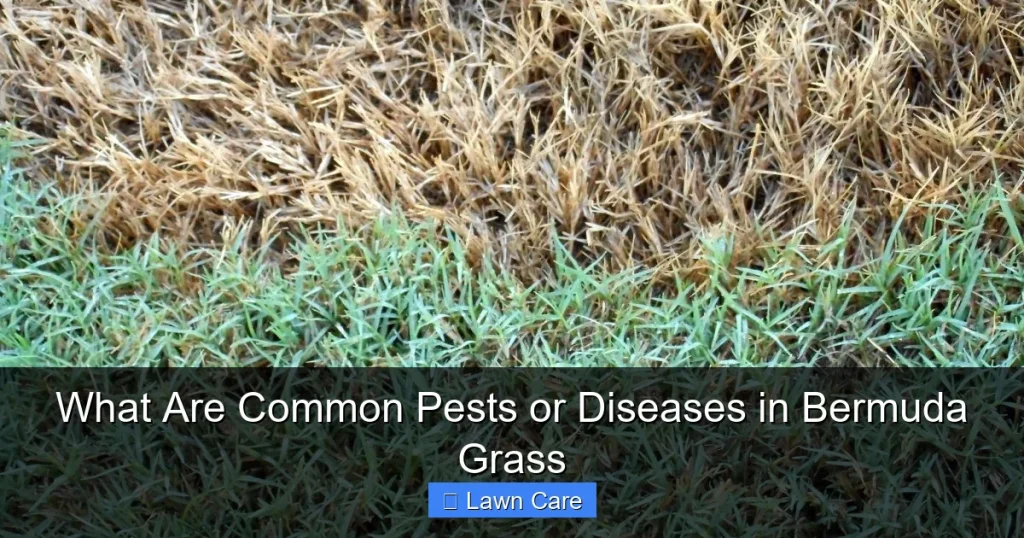
Bermuda grass is a popular choice for lawns, but it’s not immune to problems. Common issues include chinch bugs, armyworms, and fungal diseases like dollar spot and brown patch. Early detection and proper care are key to preventing and managing these threats.
Bermuda grass is a fantastic choice for many homeowners, especially in warmer climates. It’s known for its resilience, ability to withstand heat and drought, and its dense, attractive growth habit. However, like any living thing, your beautiful Bermuda grass lawn can be targeted by a variety of unwelcome visitors: pests and diseases. If you’ve ever noticed unsightly brown patches or thinning areas on your otherwise vibrant lawn, it’s likely one of these common culprits is to blame. Don’t despair! Understanding what’s affecting your Bermuda grass is the first step toward a swift recovery and a healthier, happier lawn.
Dealing with pests and diseases on your Bermuda grass can feel overwhelming, but with the right knowledge and approach, you can keep your lawn looking its best. This article will break down the most common issues you might encounter, helping you identify the problem and offering practical solutions. We’ll cover everything from tiny insects that suck the life out of your grass to fungal infections that spread like wildfire. By recognizing the signs and understanding the causes, you’ll be well-equipped to protect your investment and enjoy a lush, green lawn all season long.
## Understanding Common Bermuda Grass Pests
Pests can wreak havoc on your Bermuda grass, turning lush green blades into a feast for unwelcome guests. These critters often feed on the grass itself, its roots, or its sap, weakening the plant and leading to visible damage.
### Chinch Bugs
These tiny insects are a notorious enemy of Bermuda grass. Adult chinch bugs are black with white markings on their wings, and nymphs are reddish or straw-colored. They’re usually found near the soil surface, especially in warm, dry conditions.
* **What they do:** Chinch bugs use their straw-like mouthparts to pierce the grass blades and suck out the sap. This feeding process injects a toxin that damages the grass, causing it to turn yellow and then brown.
* **Signs of infestation:** You’ll typically see irregular, dead patches that start small and can spread rapidly. These patches often look like drought stress, but they won’t recover with watering. Look for damage concentrated in sunny areas and along the edges of the lawn, especially near sidewalks or structures.
* **How to identify:** The easiest way to spot them is by using a “flotation test.” Cut the bottom off a metal can, push it a few inches into the suspected damaged area, and fill it with water. The chinch bugs will float to the surface if they are present. You might also find them by carefully parting the grass blades near the edge of a damaged patch.
* **Control methods:** For light infestations, increasing watering frequency can sometimes help drown them out. If the problem persists, consider using an insecticidal soap or a pesticide specifically labeled for chinch bugs. Applying nematodes can also be an effective biological control. For more severe issues, you might need a stronger chemical treatment. Remember to always follow label instructions carefully.
### Armyworms
Don’t let the name fool you; armyworms aren’t just soldiers! These are the larval stage of moths and can strip an area of grass very quickly.
* **What they do:** Armyworms are voracious eaters. They chew on the grass blades, often starting from the tip and moving down. In large numbers, they can decimate a lawn in a matter of days, leaving behind ragged-looking grass and eventually bare soil.
* **Signs of infestation:** Look for chewed grass blades, thinning areas, and the presence of small, green-to-brown caterpillars. They are most active in the early morning and late evening. You might also see birds or other wildlife feasting on them, which is a good indicator of an infestation.
* **How to identify:** Similar to chinch bugs, you can perform a flotation test. The armyworms will crawl out of the soil and float to the top. You can also try gently agitating the grass in a suspected area; if armyworms are present, they will often fall to the ground.
* **Control methods:** Small infestations can sometimes be managed by encouraging natural predators like birds. For larger outbreaks, you can use a pesticide labeled for armyworms. There are also biological control options like B.t. (Bacillus thuringiensis), which is effective against caterpillars. Proper mowing practices can also help, as armyworms often hide in taller grass.
### Grubs
Grubs are the C-shaped, white larvae of various beetles. They live in the soil and are a common problem for many turfgrasses, including Bermuda grass.
* **What they do:** Grubs feed on the grass roots. This root damage weakens the grass, making it more susceptible to drought, heat stress, and disease. Severely damaged lawns may feel spongy underfoot and can be easily pulled up in sections, like a carpet.
* **Signs of infestation:** Yellow or brown patches that don’t respond to watering are a major sign. The lawn might feel soft and bouncy. You may also see increased activity from animals like raccoons, skunks, and birds, as they dig for the grubs.
* **How to identify:** Dig up a small section of turf in the damaged area (about one square foot). If you find more than 5-10 grubs in this area, you likely have a problem. They are usually found in the top few inches of soil.
* **Control methods:** The best time to treat for grubs is when they are actively feeding, usually in the late summer or early fall. You can use insecticides specifically formulated for grubs. Milky spore disease is a biological control that targets Japanese beetle grubs specifically. Healthy, well-established lawns with deep root systems are more resilient to grub damage. Learn more about [how deep are Bermuda grass roots](https://lawnhelpful.com/how-deep-are-bermuda-grass-roots-2/) to understand how deep soil treatments might be necessary.
## Common Bermuda Grass Diseases
Fungal diseases are a frequent concern for Bermuda grass owners, especially during periods of high humidity or specific weather conditions. These diseases can manifest in various ways, from small spots to large, spreading patches.
### Dollar Spot
This is one of the most recognizable fungal diseases affecting Bermuda grass. As the name suggests, it creates small, circular spots.
* **What it looks like:** The individual lesions are typically the size of a silver dollar, straw-colored with a distinct reddish-brown border. When several spots merge, they can create larger affected areas. You might also see a cobweb-like fungal growth on the grass blades in the early morning dew.
* **Causes:** Dollar spot thrives in moderate temperatures and high humidity. It’s often exacerbated by low nitrogen levels in the soil, which weakens the grass’s ability to fight off infection.
* **Control methods:** Improving the overall health of your Bermuda grass is key. Ensure proper fertilization, especially with nitrogen, as this helps the grass produce a stronger defense. Adjusting watering practices to water deeply and less frequently can also help. For persistent problems, a fungicide labeled for dollar spot can be applied.
### Brown Patch
Brown patch is another common and often aggressive fungal disease that can quickly damage your Bermuda grass.
* **What it looks like:** Affected areas typically appear as circular or irregular patches that range from a few inches to several feet in diameter. The grass within the patch turns yellow and then brown. On humid mornings, you might see a smoky, gray “smoke ring” or a distinct dark brown border around the edge of the patch.
* **Causes:** Brown patch is favored by warm, humid conditions, especially prolonged periods of leaf wetness. It can spread rapidly during hot, muggy weather. Over-watering and poor air circulation can contribute to its development.
* **Control methods:** The best approach is prevention. Avoid over-watering, and ensure good air circulation by proper mowing and aeration. If you see signs of brown patch, consider applying a fungicide. Many [common lawn diseases and how to treat them](https://lawnhelpful.com/what-are-common-lawn-diseases-and-how-to-treat-them/) articles recommend specific treatments for brown patch. Prompt action is crucial to prevent it from spreading.
### Pythium Blight (also known as Water Mold)
While often associated with cooler-season grasses, Pythium blight can also impact Bermuda grass, particularly during very hot and humid weather.
* **What it looks like:** This disease often appears as scattered, irregularly shaped patches of water-soaked, greasy-looking grass that quickly turns tan or light brown and wilts. In the early morning, you might see a white, cottony fungal growth, especially in low-lying areas or where water tends to collect.
* **Causes:** Pythium blight thrives in hot, humid conditions with high moisture levels. Over-watering, poor drainage, and compacted soil create ideal conditions for its spread.
* **Control methods:** Good drainage is paramount. Avoid over-watering and ensure your lawn is not sitting in soggy conditions. Aeration can help improve drainage and reduce soil compaction. Fungicides labeled for Pythium are available and can be effective if applied at the first sign of the disease.
### Rust
Rust is a less common but still possible disease for Bermuda grass, especially in the fall.
* **What it looks like:** Infected grass blades will have small, raised pustules that contain orange, red, or yellow spores. As the disease progresses, the blades will turn yellow and eventually die. The spores can easily rub off onto your shoes or tools, leaving a dusty residue.
* **Causes:** Rust often appears when grass is stressed by poor nutrition, drought, or cool, damp conditions. It’s more common on slower-growing grass.
* **Control methods:** A healthy, actively growing lawn is the best defense. Ensure your Bermuda grass is properly fertilized with adequate nitrogen. Fungicides can be used for severe outbreaks, but improving turf health is the most sustainable solution.
## Integrated Pest Management (IPM) for Bermuda Grass
The best way to manage pests and diseases on your Bermuda grass is through an Integrated Pest Management (IPM) approach. This means using a combination of methods rather than relying on a single solution.
* **Cultural Practices:** This is your first line of defense. It involves things like proper mowing, watering, and fertilization. Keeping your grass at the recommended height, watering deeply but infrequently, and ensuring adequate nutrient levels significantly improves its resilience. Aeration and dethatching also play a crucial role in preventing disease by improving soil health and air circulation.
* **Biological Controls:** These are natural enemies of pests. Introducing beneficial insects like ladybugs (which eat aphids) or using nematodes (microscopic worms that parasitize insect larvae) can help keep pest populations in check without harsh chemicals.
* **Chemical Controls:** These should be a last resort and used judiciously. When you do use pesticides or fungicides, choose products specifically labeled for the pest or disease you are trying to control and for use on Bermuda grass. Always read and follow the label instructions carefully to ensure safe and effective application.
## Prevention: The Best Defense
Proactive care is always easier than reactive treatment. By implementing good lawn care practices, you can significantly reduce the likelihood of encountering major pest and disease problems.
### Proper Mowing
* Mow at the correct height for Bermuda grass. Generally, this is between 1/2 inch and 2 inches, depending on the variety and your preference. Mowing too short can stress the grass and make it more vulnerable.
* Keep mower blades sharp. Dull blades tear the grass, creating ragged edges that are susceptible to disease.
* Mow regularly to avoid removing more than one-third of the grass blade at a time.
### Smart Watering
* Water deeply and less often. This encourages deeper root growth, making the grass more drought-tolerant.
* Water in the early morning. This allows the grass to dry off before nightfall, reducing the risk of fungal diseases.
* Avoid over-watering, which can create favorable conditions for many diseases and shallow root growth.
### Balanced Fertilization
* Fertilize your Bermuda grass according to its needs. A soil test can help determine specific nutrient deficiencies.
* Ensure you are providing adequate nitrogen during the growing season. You can find information on [what is the best fertilizer for Bermuda grass](https://lawnhelpful.com/what-fertilizer-is-best-for-bermuda-grass-2/).
* Avoid excessive fertilization, which can make the grass grow too quickly and become weaker.
### Aeration and Dethatching
* Regularly aerate your lawn to relieve soil compaction and improve air and water penetration to the roots.
* Dethatch your lawn if the thatch layer becomes too thick (over half an inch). Excessive thatch can harbor pests and diseases and impede water and nutrient uptake.
## Identifying Specific Problems
When you notice an issue with your Bermuda grass, take a moment to observe the symptoms carefully. Is it a patch of brown grass? Are the blades chewed? Are there visible insects? The more information you have, the easier it will be to diagnose and treat the problem effectively. Remember that [what are common lawn diseases and how to prevent them](https://lawnhelpful.com/what-are-the-common-lawn-diseases-and-how-to-prevent-them/) is a vital topic for any lawn owner.
For example, if you see small, circular brown spots with a defined border, it’s likely brown patch or dollar spot. If you see irregular brown patches that don’t respond to watering, chinch bugs are a strong possibility. Chewed blades point towards armyworms, while sections of lawn that lift easily suggest grub damage.
## Conclusion
Bermuda grass is a hardy and beautiful turfgrass, but it’s not impervious to pests and diseases. By understanding the common threats like chinch bugs, armyworms, grubs, dollar spot, brown patch, and Pythium blight, you can be better prepared to protect your lawn. Implementing a strong preventative care strategy, focusing on proper mowing, watering, and fertilization, is your most effective tool. When problems do arise, identifying them quickly and employing the right integrated pest management techniques will help you restore your Bermuda grass to its full, vibrant glory. A healthy lawn is a resilient lawn, and with a little knowledge and effort, you can keep your Bermuda grass thriving.
- Chinch bugs are tiny, sap-sucking insects that can cause irregular brown patches by feeding on Bermuda grass.
- Armyworms are moth larvae that chew on grass blades, leading to significant thinning and bare spots.
- Dollar spot is a fungal disease that creates small, straw-colored spots, often the size of a silver dollar.
- Brown patch is another common fungal disease that manifests as circular patches of brown, often with a darker border.
- Grubs are the larval stage of beetles that feed on grass roots, weakening the lawn and making it susceptible to drought stress.
- Good lawn care practices, including proper mowing, watering, and fertilization, are the first line of defense against many pests and diseases.
- Integrated Pest Management (IPM) strategies, combining cultural, biological, and chemical controls, offer the most effective long-term solutions.
Quick Answers to Common Questions
What is the most common pest affecting Bermuda grass?
Chinch bugs are often considered the most common and damaging pest for Bermuda grass, as they can cause extensive brown patches by feeding on the grass’s sap.
How can I tell if my Bermuda grass has a fungal disease?
Fungal diseases on Bermuda grass often manifest as discolored patches (brown, yellow, or tan), unusual spots on the blades, or sometimes a fuzzy growth visible in the early morning dew.
Are armyworms dangerous to lawns?
Yes, armyworms can be very dangerous to lawns. They are voracious feeders and can strip large areas of grass quickly, leading to significant thinning and bare spots if not managed.
What is the difference between brown patch and dollar spot?
Brown patch typically creates larger, irregular patches with a distinct dark border or “smoke ring” on humid mornings. Dollar spot creates smaller, distinct circular spots about the size of a silver dollar, often with a reddish-brown border.
Can I prevent pests and diseases in my Bermuda grass?
Yes, prevention is key. Maintaining a healthy lawn through proper mowing, watering, fertilization, and aeration significantly increases its resistance to common pests and diseases.
Frequently Asked Questions
How often should I water my Bermuda grass to prevent diseases?
Water your Bermuda grass deeply but infrequently. Aim for about 1 inch of water per week, applied in one or two sessions, to encourage deep root growth and reduce prolonged leaf wetness, which can promote fungal diseases.
What should I do if I see brown patches on my Bermuda grass?
If you see brown patches, first try to identify the cause. If it appears to be drought stress, water more deeply. If it looks like a disease, research common Bermuda grass diseases like brown patch or dollar spot and consider applying a fungicide if necessary.
Are there natural ways to control chinch bugs?
Yes, several natural methods can help control chinch bugs. This includes using beneficial nematodes, insecticidal soaps, and ensuring your lawn is properly watered and fertilized to maintain turf health.
When is the best time to fertilize Bermuda grass to keep it healthy?
The best time to fertilize Bermuda grass is during its active growing season, which typically runs from late spring through summer. Apply fertilizer in split applications, usually starting in late spring after it has fully greened up, and continuing through mid-summer.
How can I tell if I have grub worms in my lawn?
You can identify grub worms by digging up a small section of your lawn. If you find more than 5-10 C-shaped white grubs in a one-square-foot area, you likely have a problem. Look for yellow or brown patches that lift easily, or increased digging activity by animals.
Is aeration good for preventing problems in Bermuda grass?
Yes, aeration is highly beneficial for preventing problems in Bermuda grass. It helps relieve soil compaction, improves water and nutrient penetration to the roots, and enhances air circulation, all of which contribute to a healthier, more disease-resistant lawn.